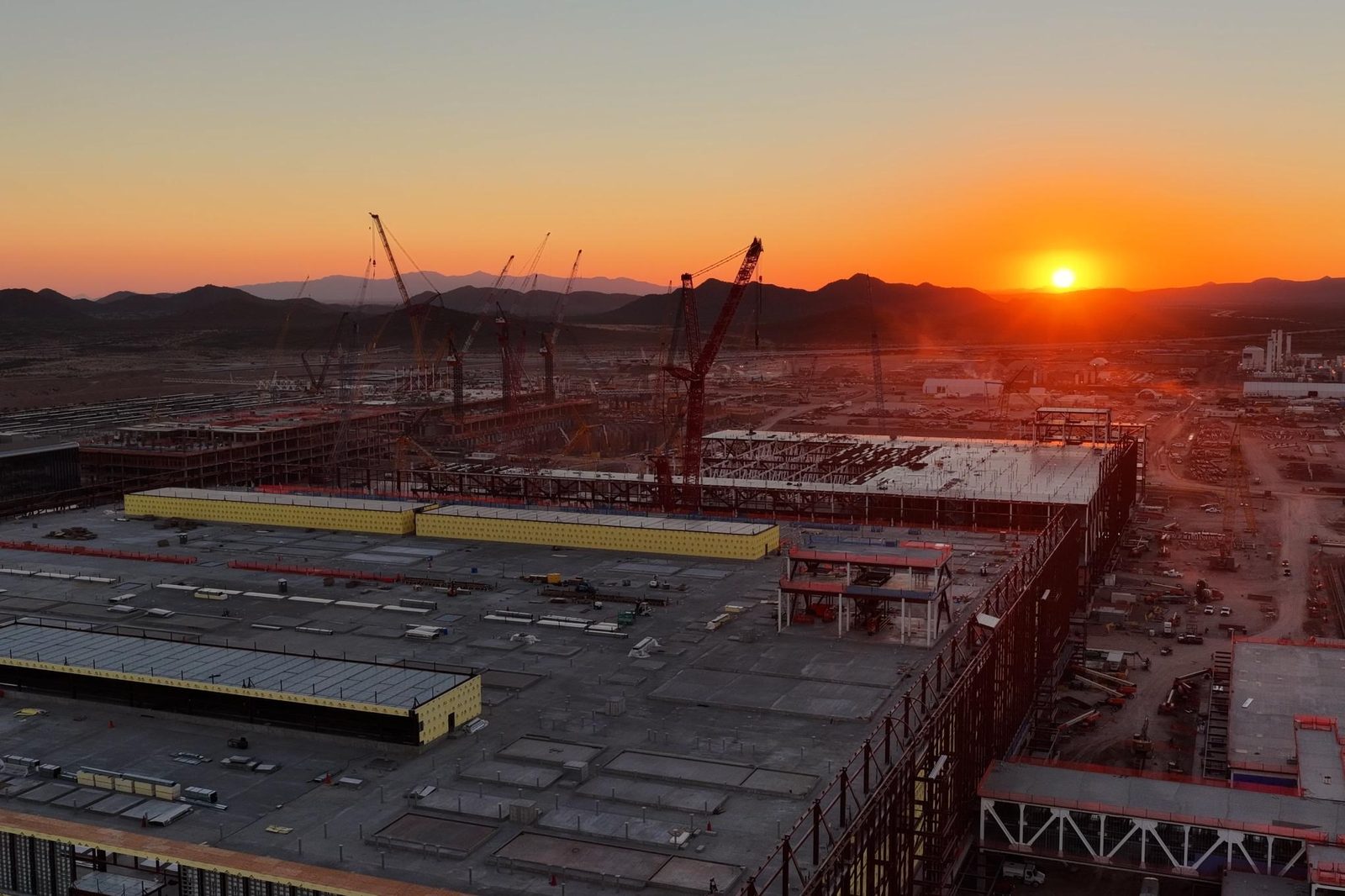
Arizona welcomes TSMC but fights new hyperscale data centers over water
TSMC's Arizona chip plants draw about 5 million gallons of water daily yet faced little opposition, while new hyperscale data centers such as Project Blue in Tucson trigger bipartisan backlash over water and power.
TSMC's Arizona semiconductor operation consumes nearly 5 million gallons of water a day from Phoenix's municipal supply and has drawn little opposition, while newer hyperscale data center proposals in Arizona are facing mass backlash from residents worried about water, power and land. The contrast is sharpest in Tucson, where Beale Infrastructure is building the 600-megawatt Project Blue data center despite city opposition and legal challenges.
TSMC's Arizona bet
TSMC announced its Phoenix fab in 2020, after Phoenix economic development officials pursued the company following an unsuccessful 2016 request for proposals. Christine Mackay, head of Phoenix's economic development office, said her team spent three years addressing TSMC's concerns and showed executives sites in Laveen and Biscuit Flats. TSMC initially predicted $12 billion in Arizona spending by 2029, but that projection has ballooned to $265 billion, which the company calls the largest foreign direct investment in US history. The company has brought more than 3,500 jobs to Arizona, finished a second fab, has a third under construction and plans several more. TSMC controls an estimated 70 percent of the global chip market, and its Apple and Nvidia contracts make up more than one-third of annual revenue.
Water and backlash
Arizona is home to 172 data centers, and earlier waves faced little pushback, but the newer, larger developments demand more water, power and land than many residents will accept. Some hyperscale data centers, such as Google's facility in The Dalles, Oregon, use about 1.5 million gallons a day, about one-third of what TSMC's Arizona complex consumes. Arizonans also face the prospect that the state will soon lose access to nearly 30 percent of the water it receives from the Colorado River. In Mesa, the EdgeCore PH03 data center, the largest data center in the state, stands beside a residential neighborhood.
Project Blue in Tucson
In Tucson, Beale Infrastructure is building a 600-megawatt data center on a 290-acre site that county officials said could bring 3,000 temporary construction jobs, 200 later positions and $152 million in tax revenue over a decade. The Pima County Board of Supervisors voted 3-2 to rezone the tract and sold it to Beale for around $20 million, while Jan Lesher's memo described an "unprecedented" $3.6 billion opportunity. Tucson City Council later voted unanimously to shut down annexation of the land, but Beale moved forward anyway. Amazon Web Services was reportedly the end client but pulled out after Beale shifted to closed-loop air cooling; Beale declined to say whether it found a new tenant. Beale promised a pipeline, reclaimed water after construction, potable water until then, cleanup of contaminated water, aquifer injection and a "water-positive" result, while the No Desert Data Center Coalition argues air-cooled facilities use more electricity and may be more water-intensive indirectly, an allegation Beale denies. Tucson Electric Power announced a rate hike averaging 14 percent hours after the board vote, which the utility said was unrelated, and the Arizona Mirror reported Project Blue plus another proposed data center would be the utility's biggest customer and use more than four golf courses' worth of water each year. Residents also cite Tucson being 11 degrees Fahrenheit hotter on average than a century ago. The state attorney general appealed approval of a special energy agreement between Beale and the utility, while a coalition lawsuit alleging open-meeting violations was dismissed. Beale also promised $15 million in donations, including for STEM and trade school programs.
Sources: The Verge
SiTech — AI-powered web development
We build fast, modern websites and bring AI into real business workflows. Have a project or a question? We'd love to help.