Britain turns digital ID into a growth industry as state retreats
British start-ups such as Yoti and Luciditi are meeting rising demand for age and identity verification after the government dropped its £1.8bn mandatory digital ID scheme. About 275 companies offer UK digital identity services.
Private companies fill the void left by the state
Britain's digital identity market has grown into a significant industry despite the government's retreat from its own plans. One of Andy Burnham's first moves as prime minister was to drop a £1.8bn plan to create an official UK digital identity scheme, which would have been mandatory for people proving their right to work. Nearly 3mn people signed a petition arguing that the scheme would infringe civil liberties.
Instead, about 275 companies with total annual revenues of £2bn now offer UK digital identity services, ranging from employment and right-to-work checks to age verification for video gaming, gambling and buying tobacco. Robin Tombs, co-founder and chief executive of Yoti, says regulation is driving demand, with the government now planning to impose a social media ban for under-16s from next year.
Age verification moves to apps
Digital age verification through apps offered by start-ups such as Yoti and Luciditi became legal last month. Instead of showing a physical licence, young people in pubs and clubs can use face-verified apps that display only a photo, a QR code and confirmation that the user is over 18 or 25, protecting their privacy.
The change could also cut the time spent at supermarket self-service tills. An alert flashes when a customer picks up a bottle of wine and an assistant must approve the purchase, a ritual that one Home Office calculation says absorbs 5.8mn hours of customers' time in the UK each year. Adults who download a government-approved app will instead be able to swipe a QR code to authorise themselves.
Trust framework encourages innovation
Britain built a trust framework for private digital verification companies six years ago, allowing firms that comply with its security and privacy standards to offer services. The framework started under Boris Johnson and continues under Burnham. It encouraged innovation, such as the choice given by Yoti and the Post Office's EasyID app, which uses its software, over how much information a user shares.
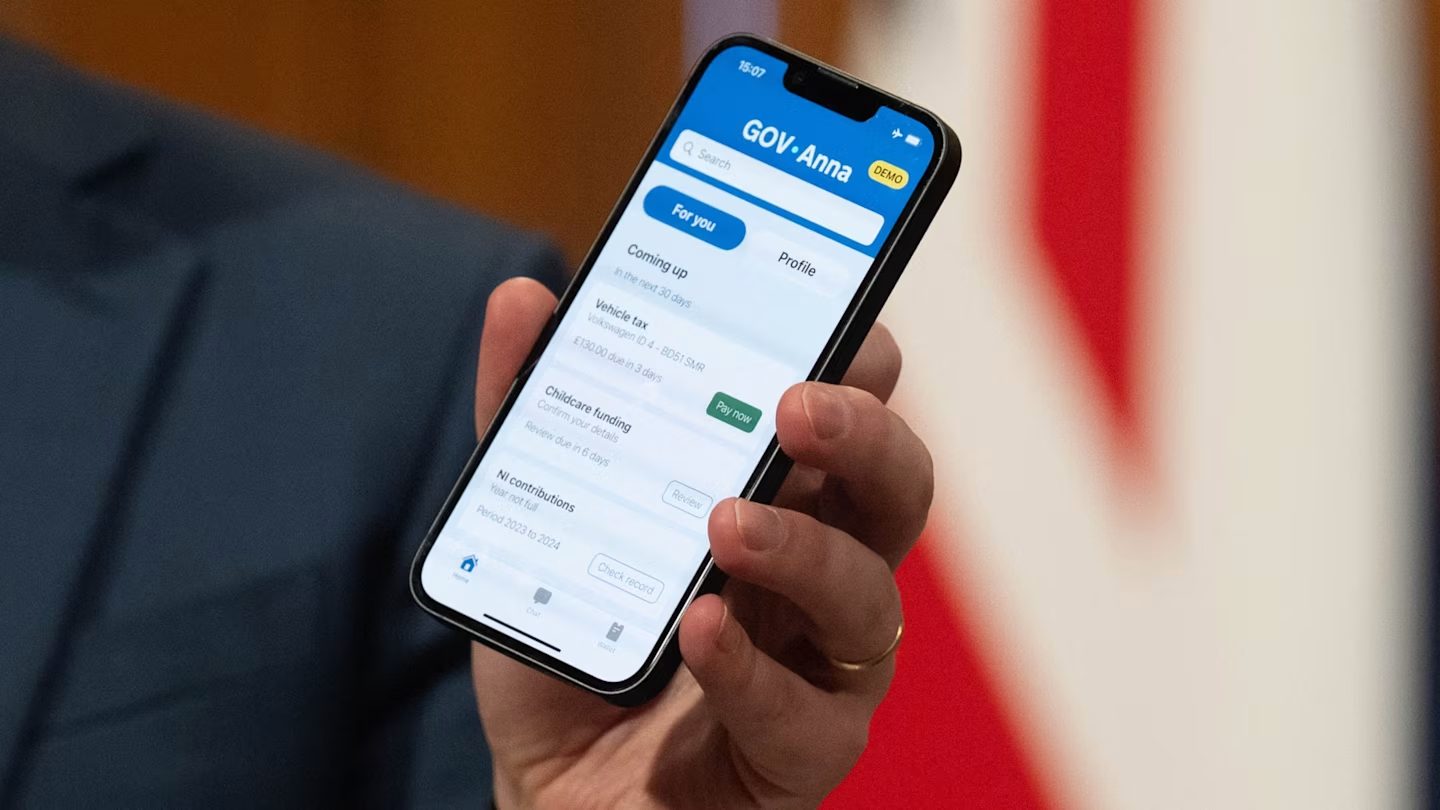
The government has not abandoned official digital ID entirely. It is building a platform for people to sign on to its services online with verified identities, and a wallet holding digital versions of official documents that now accepts military veteran cards, with driving licences coming next.
Growth is not without friction. Yoti was fined €950,000 by Spain's data protection agency this year over its use of facial recognition for authentication and is appealing. Still, the Yoti app has been downloaded 8.9mn times in the UK, and its revenue rose by 58 per cent to £32mn in the year to March, more than a decade after the company was founded in 2014. More than 60 per cent of the sales of UK-based digital ID companies are international, a government study found.
Phil Young, co-founder and chief technology officer of Luciditi, compares the advance of digital ID with touch payments. "People will stop carrying physical ID one day. It is going to happen," he says.
SiTech — AI-powered web development
We build fast, modern websites and bring AI into real business workflows. Have a project or a question? We'd love to help.