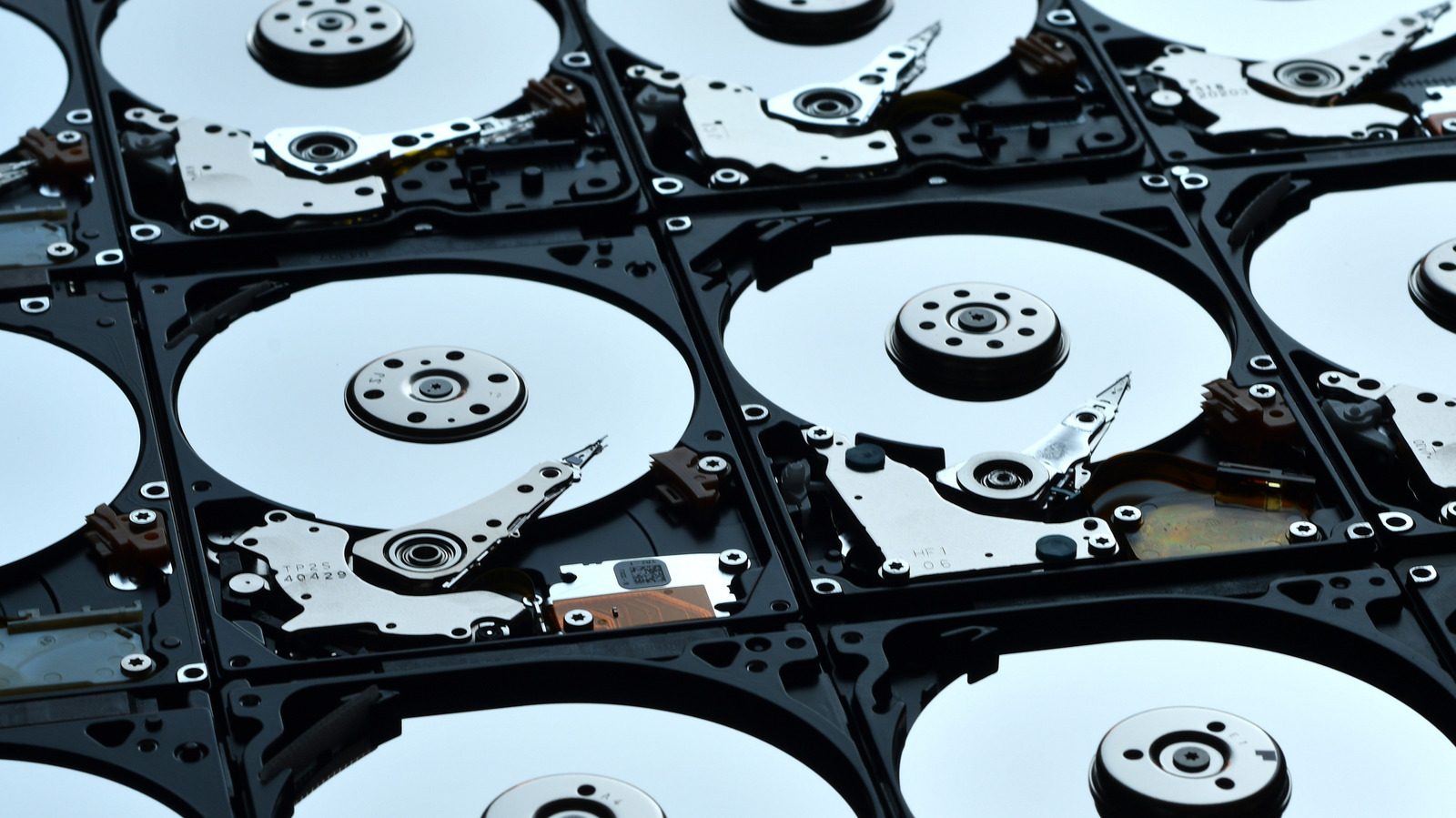
Over 5,000 Drives Reveal High First-Year HDD Failure Rates
Recent Backblaze data on a fleet of over 350,000 drives says roughly 1.5% of HDDs fail, nearly half of those in year one, and 30% of failed drives give no warning.
Recent data from Backblaze and Secure Data Recovery points to mechanical unpredictability in hard disk drives. Roughly 1.5% of HDDs fail, nearly half of those failures happen in the first year, and 30% of failed drives break down without warning. Backblaze bases its figures on a fleet of over 350,000 storage drives, while the article cites a sample of over 5,000 drives.
Failure rates and lifespan
Backblaze says roughly 1.5% of all HDDs fail, with nearly half of those failures occurring in year one. Of the failed drives, 30% break down without warning. Secure Data Recovery, working with drives that had already failed, confirms similar failure rates and says HDDs last 807 days on average, though that figure only reflects failed drives.
Causes and brand reliability
Failure can result from production defects such as head misalignment or seized motors, accidents such as power surges or drops, and damage to the drive's internal operating system. Backblaze data shows Seagate was the most mechanically reliable across the April to June 2026 period, though some models were more reliable than others. Drives from Hitachi, Seagate and Western Digital tend to lead in similar analyses of failure rates.
Cost and performance trade-offs
HDD storage remains significantly cheaper per GB than other storage media, especially as demand from AI data centers pushes SSD prices higher. SSDs are much faster than HDDs, which helps AI systems work swiftly with very large data sets. Where cost matters more than performance, the cost advantage is significant enough that RAID systems based on HDDs can cost less than a single high capacity SSD.
Aging, resilience and data protection
All the data confirms a connection between HDD failure rate and age, suggesting drives become more prone to fail once they reach seven years old. Users who rely on HDDs and need to keep data should plan a replacement schedule for aging drives or invest in additional storage solutions such as cloud. The failure rates are not unexpected and reflect the technology itself; Apple pioneered use of SSDs in consumer devices partly because of their relative durability compared to HDDs. Most drives rely on CMR, which provides predictable performance. Backblaze is monitoring SMR and laser heated HAMR but does not currently use any, suggesting the next evolution of HDD tech is not yet here. Tech pundits have argued for years that combining cloud, local and off-site storage can help secure data against theft, fire and mechanical failure, and users are advised to monitor HDD condition and invest in supplemental storage.
Sources: Engadget
SiTech — AI-powered web development
We build fast, modern websites and bring AI into real business workflows. Have a project or a question? We'd love to help.