Amazon's Project Kuiper Builds 1,000th Satellite as 2026 Service Launch Nears
Amazon has manufactured its 1,000th Project Kuiper satellite at its Kirkland, Washington factory and says initial commercial service is planned for 2026, setting up a challenge to SpaceX's Starlink in the space broadband market.
Production Milestone Reached in Kirkland
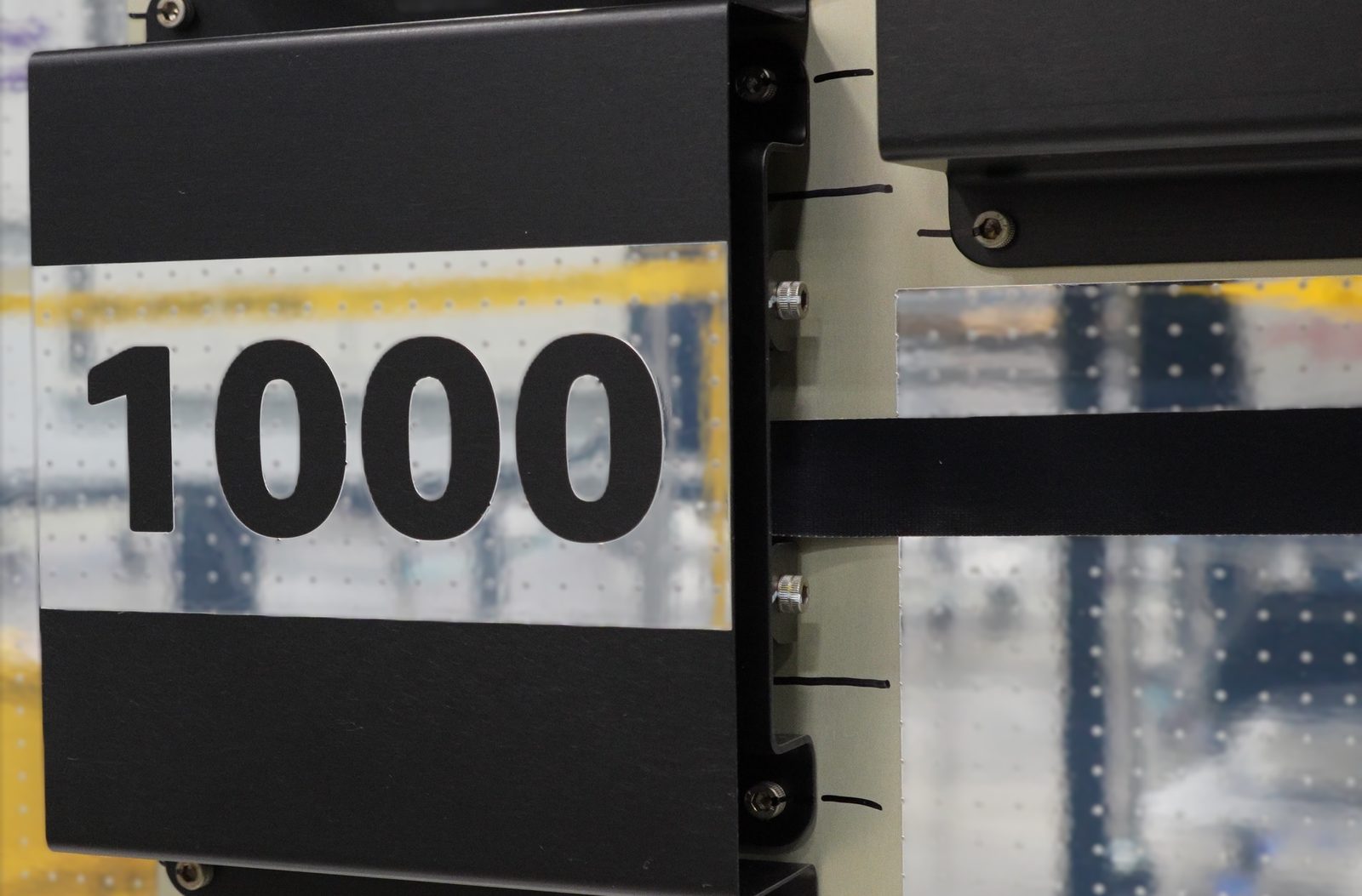
Amazon has manufactured its 1,000th satellite for its Project Kuiper constellation at its factory in Kirkland, Washington, marking a major step toward launching commercial broadband service from low-Earth orbit. The company, which has been developing the constellation for the better part of a decade, can now build 27 satellites per week, a dramatic improvement over the six months it took to produce the first 27.
The 170,000-square-foot facility was converted from an empty building in 15 months starting in December 2022. Paul Palcisco, director of production, said the factory was built alongside the satellite design, with the propulsion system designed and built entirely in-house. Testing procedures were blended from NASA standards, such as SMC-S-016, and consumer electronics methods, cutting test times from days or weeks to hours while maintaining quality. Building and testing a satellite now takes several weeks.
Launch Campaign and Vulcan Return to Flight
Rajeev Badyal, who leads Amazon's broadband efforts and previously led Starlink during its early years before being fired by Elon Musk, confirmed that the Vulcan rocket's upcoming return-to-flight mission will carry Amazon satellites. Two Vulcan rockets are currently vertical in vehicle integration facilities, with launches on Vulcan and Arianespace planned this year. Amazon has signed launch deals with ULA, Blue Origin, Arianespace, and SpaceX. The company currently has 396 satellites in orbit, enough to begin initial service, with additional flights adding coverage and resiliency.
Challenging Starlink
Amazon says its network will deliver a gigabit on the downlink and 400 megabits on the uplink, which Chris Weber, vice president of business, said represents roughly a 3x downlink and 8 to 10x uplink advantage over Starlink. The company highlights AES-256 encryption and an optional private networking feature that routes traffic from antenna to satellite to ground gateway without ever touching the internet. Enterprise offerings include professional installations, service-level agreements committing to information rates, and customer support modeled on AWS. Delta Airlines has signed an agreement to use Amazon's service over Starlink on its planes.
Consumer Plans and Next Generation
Weber said initial service is planned for 2026, framed around value, ease of use, and integration with Amazon assets such as Prime, Prime Video, eero routers, Fire TV, and Ring. The first-generation constellation will consist of 3,232 satellites. Amazon has filed a second generation with the FCC and is already in the design phase, though details were not disclosed.
Sources: Arstechnica
SiTech — AI-powered web development
We build fast, modern websites and bring AI into real business workflows. Have a project or a question? We'd love to help.