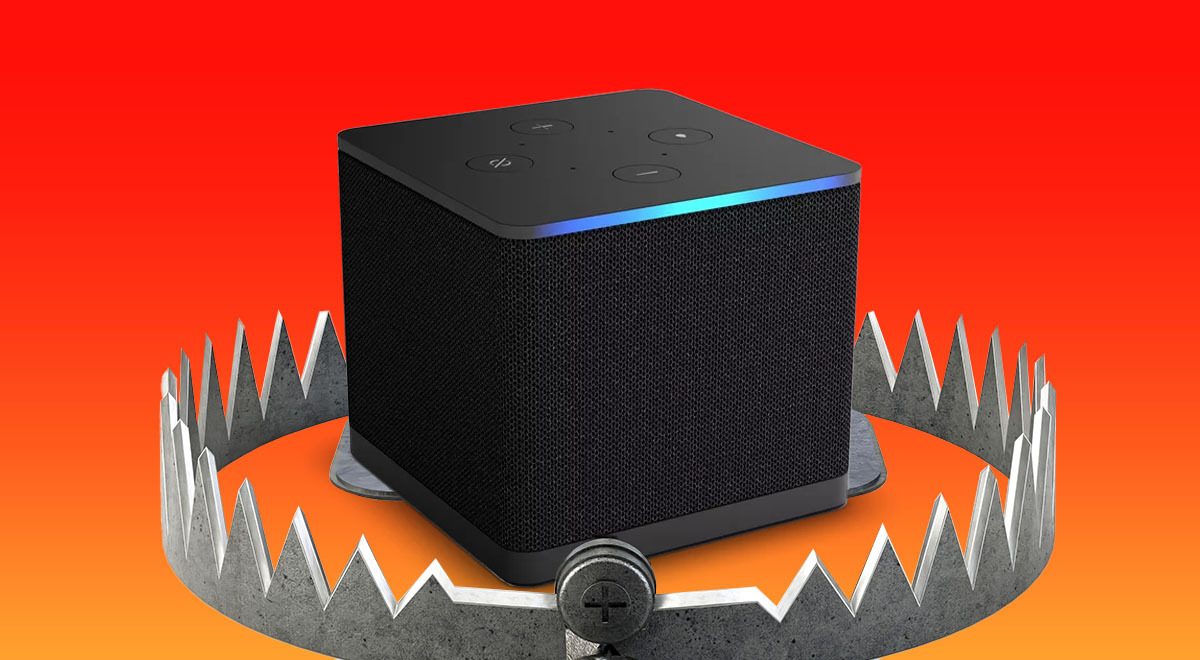
Amazon Fire TV Cube Rooted via Four Year Old ARM Mali GPU Flaw
Home theater enthusiasts are rooting the Amazon Fire TV Cube 3rd Gen using a four year old ARM Mali GPU kernel driver flaw, CVE-2022-38181, to install custom operating systems and unlock full local media playback.
Amazon Fire TV Cube 3rd Gen can now be rooted using a four year old ARM Mali GPU kernel driver vulnerability, granting users full control over the device. Rather than triggering a security panic, the discovery has excited home theater enthusiasts who are turning the Cube into a custom media player.
Root Access Through a Patched GPU Bug
The exploit chain targets CVE-2022-38181, a severe ARM Mali GPU kernel driver vulnerability rated 8.8 out of 10 on the severity scale. The bug enables arbitrary kernel code execution and root access, giving complete control over the device to whoever runs it.
Security researcher Man Yue Mo of GitHub Security Lab reported the flaw to the Android security team on July 12, 2022. ARM patched its kernel drivers on August 12, 2022, and the Fire TV Cube 3rd Gen launched on October 25, 2022. It remains unclear whether the Cube stayed vulnerable for the entire four years or whether the bug was reintroduced later.
Enthusiasts Install Custom Software
The unlock procedure was shared on XDA Forums by senior member Pro-me3us, who adapted the original exploit code to work with FireOS 32-bit userspace. Once rooted, users can install Magisk for persistent root access, replace the built-in recovery with TWRP for easier backups and custom firmware, and use Fastboot with the open source U-boot bootloader for unrestricted remote control.
From there, multiple operating systems become available, including CoreELEC, a Kodi based media center, and EmuELEC, a retro gaming console. Community members have also published custom launchers, modified system and vendor partitions, custom ROMs, and kernels. Video guides for rooting the device are already available on YouTube, and users on XDA Forums and AVS Forum have confirmed the exploit works.
Amazon Downplays the Risk
An Amazon spokesperson told Cybernews that protecting customers and devices is the company's top priority. The spokesperson said the demonstrated method requires direct physical access and a deliberate, multi step process, and poses little risk to customers. Amazon is reviewing the details and said it will take appropriate action as needed.
The spokesperson also warned that modifying the device falls outside its intended use and can affect security, performance, and warranty coverage. Unofficial modifications can permanently damage or brick the device and introduce additional security risks. There is currently no evidence that threat actors are actively exploiting the bug in the wild, though it could theoretically be used to build botnets, spy through the microphone, or steal data.
Why Home Theater Fans Care
No TV device on the market plays everything from one box. Streaming sticks and boxes carry certifications from Netflix and other services but still output compressed audio, lack passthrough for lossless formats like Dolby Atmos TrueHD and DTS:X, and struggle with high bitrate local files and advanced containers. Formats such as Dolby Vision HDR and HDR10+ are often unavailable for local streaming.
High end local media players support many of these formats but fail at streaming due to missing certifications. The Nvidia Shield Pro, released in 2019, remains a praised gold standard, yet it now lacks support for AV1, HDR10+, and HLG, and cannot fully decode Dolby Vision Profile 7 FEL from Blu-ray discs. Rooting the Cube and installing CoreELEC is seen as the only way to combine both worlds into one ultimate TV box.
Sources: Cybernews
SiTech — AI-powered web development
We build fast, modern websites and bring AI into real business workflows. Have a project or a question? We'd love to help.