How the US gave up its rare earth edge, and China took advantage
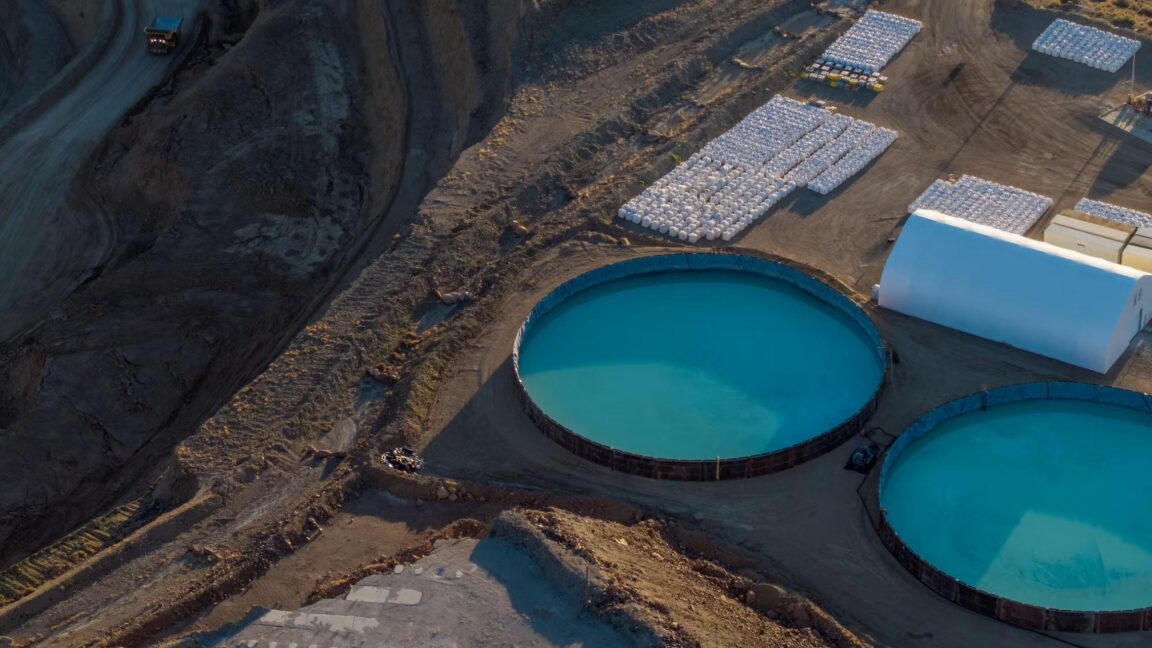
California's Mountain Pass mine led world rare earth production until the late 1980s. China now handles about 91 percent of separation and refining, while Washington spends billions to rebuild.
Rare earth elements sit inside almost everything that moves: phone vibration motors, car steering magnets, catalytic converters, fiber-optic amplifiers. The US military depends on them as well — F-35 jets and Virginia-class submarines need them.
The hard part is not finding these metals but separating them, which is why control over processing is genuine political leverage.
How China took the lead
California's Mountain Pass mine led world production until the late 1980s, when radioactive wastewater kept spilling into the Mojave Desert. Cheaper Chinese supply made switching suppliers easy: the separation plant closed in 1998, the mine in 2002. MP Materials restarted mining in 2017, but as recently as 2025 the US still imported more than two-thirds of the rare earth elements it used. China mined about 60 percent of the elements used in magnets in 2024 and handled some 91 percent of separation and refining.
Why rebuilding is slow
A 2010 estimate cited by the US Government Accountability Office put rebuilding mining, separation and magnet manufacturing at up to 15 years. China has thousands of experienced engineers, the US far fewer, and Beijing banned exports of the technology itself in December 2023.
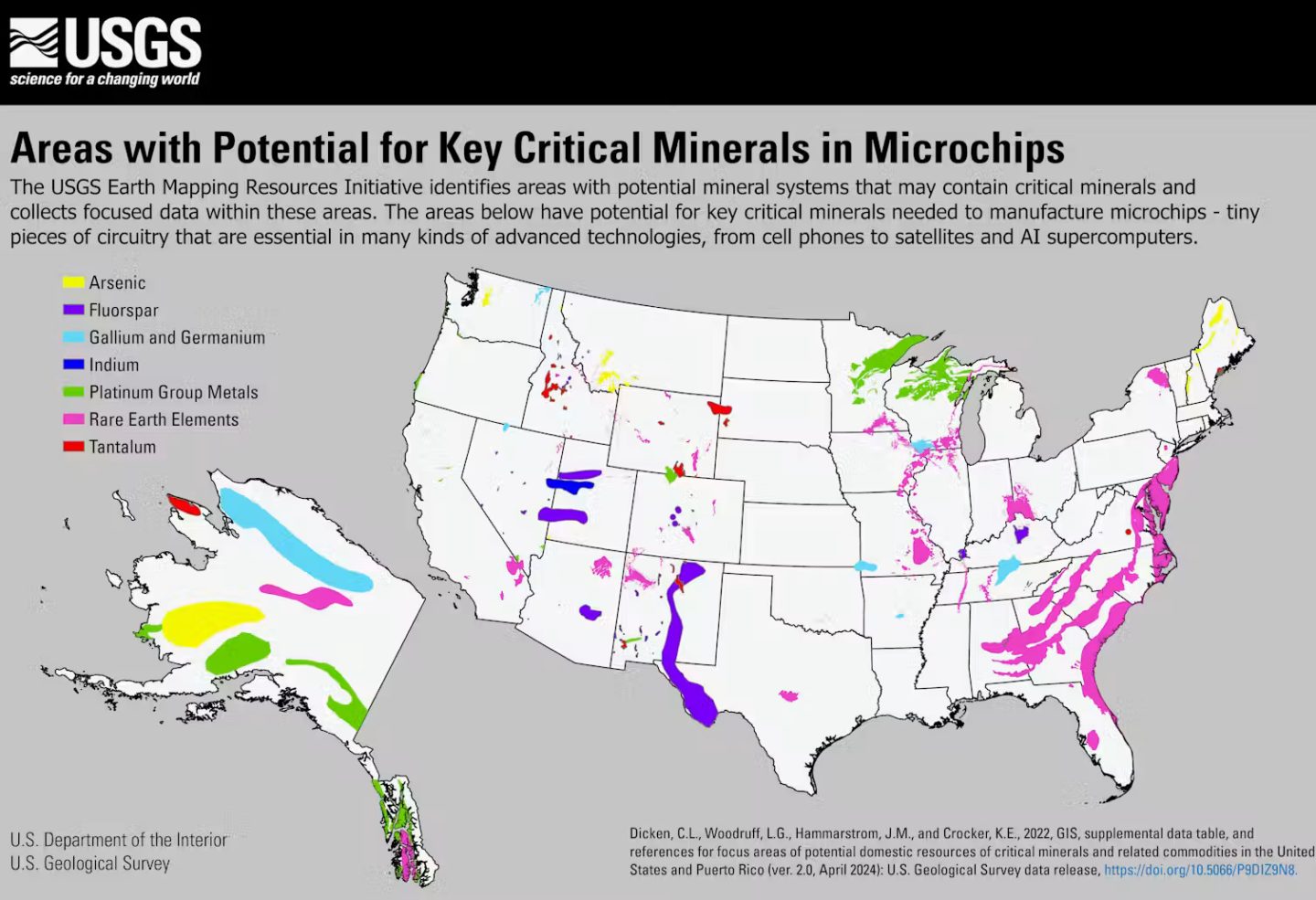
Washington has committed more than $7 billion since April 2025 to rebuild capacity. The Pentagon bought a $400 million stake in MP Materials, 15 percent of the company, and USA Rare Earth is to get $277 million plus a $1.3 billion loan for plants in Texas and Oklahoma.
November 10 and what stays in force
On Oct. 9, 2025, China's Ministry of Commerce announced six export control measures. Announcement No. 61 reaches factories abroad: a plant in Germany or Japan needs a Chinese licence to export if Chinese rare earths make up 0.1 percent or more of a product's value. After Trump met Xi that month, Beijing suspended six controls until Nov. 10, 2026, while Washington paused its "affiliates rule" for a year. Both snap back unless extended.
Some rules were never suspended, including April 2025 licensing on seven heavier rare earths. Ford idled its Chicago plant for a week in May 2025 for want of magnets. On June 22, 2026, China added 10 US companies to its export control list, among them MP Materials and USA Rare Earth. The US can keep processing in China, rebuild at home at high cost, or build capacity with allies such as Australia and Japan.
SiTech — AI-powered web development
We build fast, modern websites and bring AI into real business workflows. Have a project or a question? We'd love to help.