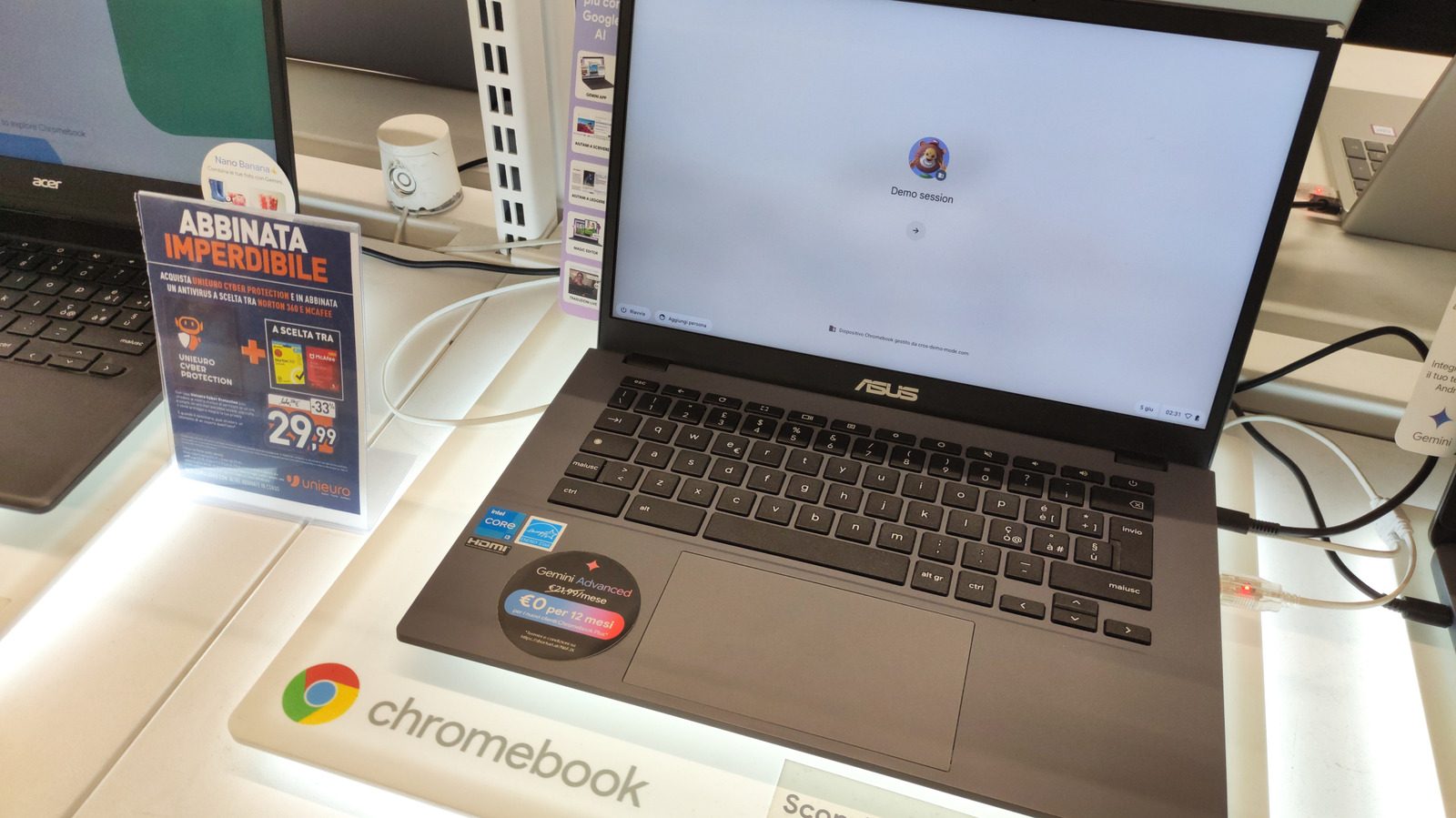
Chromebooks Still Have a Place After Googlebooks Arrive
Googlebooks run an Android based system with native app support, stronger hardware and longer battery life, but Chromebooks remain cheaper and mature for basic tasks. Google will support ChromeOS through 2034.
What Googlebooks add
Googlebooks are an evolution of Chromebooks and ChromeOS, but Google says Chromebooks are not ending. The two lineups are aimed at different customers, and Google will continue to support ChromeOS until 2034.
The main change is the operating system. Googlebooks run an Android based system instead of ChromeOS. ChromeOS can run Android apps, but it emulates them, which can lead to poor performance and bugs. Googlebooks can run most Android apps natively at full performance and take better advantage of the hardware, although some apps might run poorly on Intel based laptops. They also have access to the full Google Play Store.
Google is pushing better specs. Googlebooks start at 16GB of RAM and 256GB of storage, and the first models deliver around 14 hours of battery life, which is much longer than most Chromebooks. Because they run an Android based system, they also integrate more closely with Android phones. Users can open phone apps on the laptop and access files without transferring them, and settings such as passwords and notifications can sync between devices. Google describes the idea as similar to using a Mac and an iPhone together, but the phone needs to run Android 17 or later. These features are not expected to work fully with an iPhone or an old Android device.
A Googlebook is not a single laptop. Google is working with Acer, ASUS, Dell, HP and Lenovo on Googlebook certified laptops. The certified models must follow guidelines that include a carbon fiber chassis instead of cheap plastic, high end processors from Intel or Snapdragon, and high resolution screens. They all come with Gemini built in at the system level.
Why Chromebooks still make sense
Price is the biggest reason to choose a Chromebook. Chromebook Plus models, which have at least 8GB of RAM and 128GB of storage, usually cost less than $500. Entry level Chromebooks with 4GB of RAM can cost less than $300. Googlebooks start at $899 and can reach $1,299.
Chromebooks also fit lighter workloads. Because their hardware is less powerful, they are good for web browsing, streaming and document editing. If that matches what you need, the extra performance of a Googlebook may not matter. For video editing or casual games, a Googlebook is the better option.
Maturity is another factor. Googlebooks are a brand new ecosystem, so there could be growing pains early on. Chromebooks have been around for more than a decade, and ChromeOS is a more mature platform. Longevity should not be a major concern either way, since ChromeOS will still get software updates and security patches through 2034, and Chromebooks will not stop working overnight.
Chromebooks still have clear limits. ChromeOS does not run most of the popular desktop software found on Windows or macOS, and very cheap Chromebooks can feel slow with poor displays. For a basic laptop, though, a Chromebook may still work, with trade offs that depend on the buyer.
Sources: Engadget
SiTech — AI-powered web development
We build fast, modern websites and bring AI into real business workflows. Have a project or a question? We'd love to help.