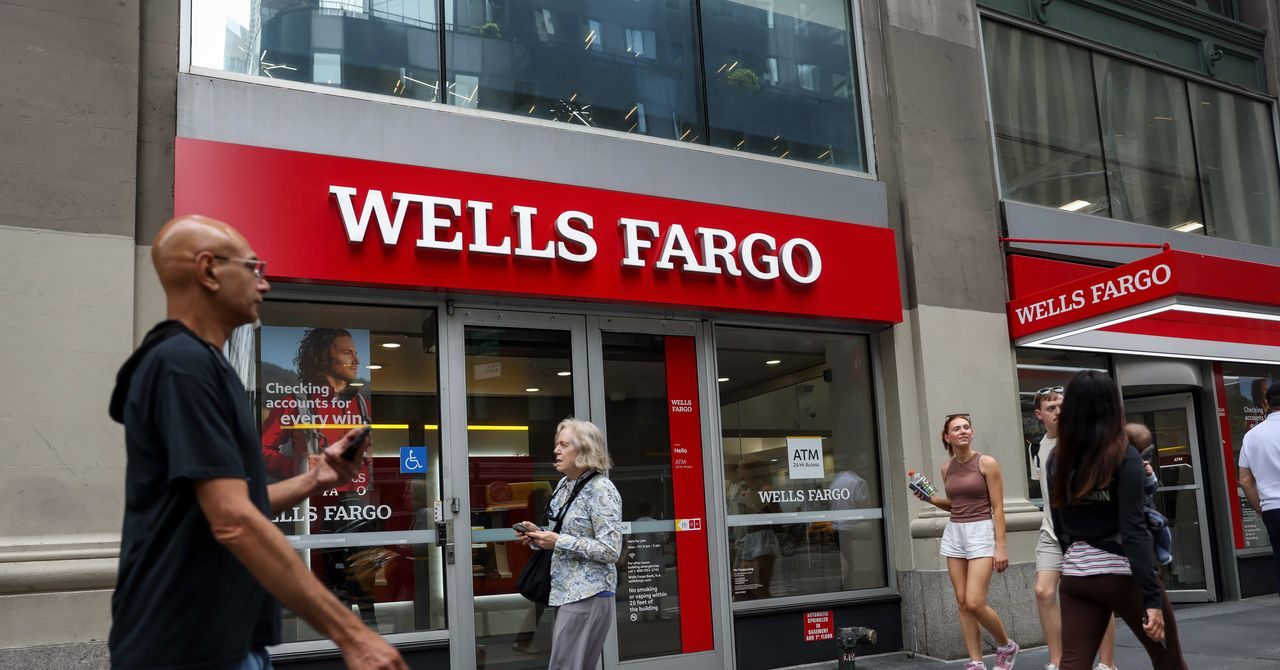
Banks Push Back on AI Agents as Wells Fargo Adds New Terms
Wells Fargo is updating customer terms over AI agents, while JPMorgan Chase, Bank of America, Citibank and PNC also warn against third-party bots. Banks say users bear the risk.
Wells Fargo is set to enact an updated agreement with millions of customers about AI agents starting on Tuesday, warning that 'Your use of any AI Agent is AT YOUR OWN RISK.' Other US banks have also changed terms or issued warnings about third-party bots, even as they build their own AI tools.
Banks Draw Lines on Third-Party Agents
AI agents automate online tasks and click on a user's behalf, and a growing group of power users has adopted personal bots this year. Some users enjoy automation, while others have been embarrassed by major mistakes, including posting bank details where coworkers could see them. Builders often market these tools for shopping decisions, from grocery orders to vacation accommodations and holiday gifts.
US banking institutions are already sick of third-party agents, and AI agents are igniting turf wars elsewhere online. Amazon blocked Meta's Muse from making purchases on its platform, and United announced that personal bots would be blocked from purchasing flights on a customer's behalf.
Warnings Spread Across Major Banks
In late October, JPMorgan Chase changed its terms to ban third-party agents that log in with customer credentials. That same day, Bank of America warned customers not to share login information with agents. Along with Wells Fargo's announced change, Citibank and PNC have also changed their terms to include warnings about agents.
Kacy Kim, an associate professor of marketing at Bryant University who studies consumer behavior and emerging tech, says consumers authorize goals, not every click. She expects some consumers to feel it is unfair to be held accountable for an agent's mistakes, but she does not expect the policy moves to scare off early adopters already using the tools daily.
Risk, Responsibility, and Everyday Use
Sucharita Kodali, a Forrester analyst who focuses on ecommerce and consumer behavior, says most people do not even know what agents are, much less use them. She sees banks as fundamentally risk-averse, so proactive measures make sense even if most agentic issues remain edge cases, from transaction security to automated withdrawals that could harm account holders.
Luca Cian, a professor at the University of Virginia who studies consumer psychology and AI, says people are very comfortable with AI buying toilet paper and often automate boring buys such as household supplies. He says shoppers are less comfortable automating dynamic, big-ticket purchases that require additional care and discretion.
Banks Build Their Own Tools
Cian says banks are doing two things at once: locking the door to outside agents and building their own. Users have interacted with Wells Fargo's tool that answers questions using generative AI more than a billion times. Bank of America revamped its EricaAssist agent this year to help employees, and Citigroup launched an internal development platform centered on agents.
Certain credit cards are looking into limited protections. American Express announced that some agentic mistakes, such as ordering too many of a certain item, may be eligible for reimbursement in the future through the card provider if the customer cannot get money back from the original retailer.
Kodali remains skeptical about whether all the attention is necessary, saying buying on Amazon or Walmart is not difficult and most transactions do not need an agent. Whether AI agents grow in popularity or fade away, banks are making clear that users bear responsibility for their bots.
Sources: Wired
SiTech — AI-powered web development
We build fast, modern websites and bring AI into real business workflows. Have a project or a question? We'd love to help.