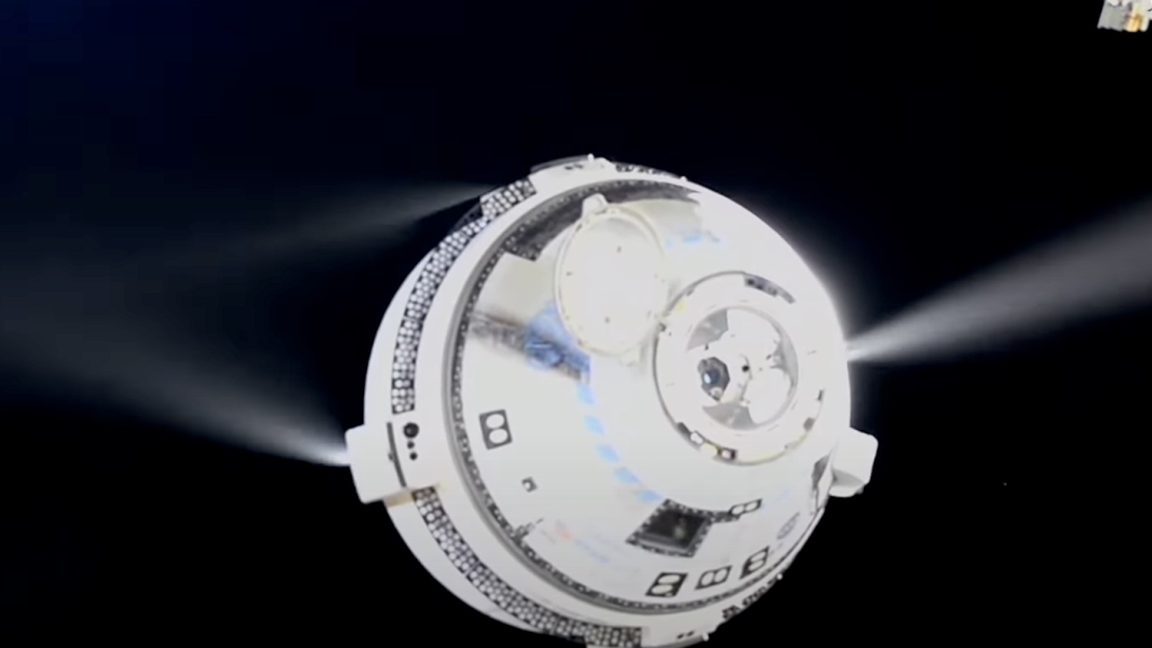
NASA orders two more Boeing Starliner flights and pays $359M for thruster fixes
NASA will exercise options for two additional crewed Starliner missions and pay Boeing $359 million to rebuild overheated thrusters and certify ULA's Vulcan rocket for astronauts.
NASA announced on Monday that it will exercise contract options for two additional crewed flights of Boeing's Starliner spacecraft. The agency will also pay Boeing $359 million to finish rebuilding the vehicle's reaction control system thrusters and to certify United Launch Alliance's Vulcan rocket for human spaceflight.
Two more Starliner missions
The decision brings NASA's total order of Starliner spaceflights to six. An uncrewed demonstration flight, Starliner-1, is currently scheduled for December 2026 or January 2027. Three crewed missions are already under contract, and the first of them, Starliner-2, could launch in mid-2028 with veteran astronaut Woody Hoburg in command.
Dana Weigel, who manages NASA's Low Earth Orbit Program, said the $359 million covers the rebuild of thrusters that overheated in flight, a problem that has repeatedly delayed the spacecraft.
Why NASA stayed with Starliner
SpaceX's Crew Dragon has flown NASA astronauts for more than six years, but the company intends to retire older vehicles such as Falcon and Dragon as it focuses on Starship. NASA Administrator Jared Isaacman said during a news conference that the agency expects Crew Dragon to leave service by or before 2030, while it considers extending the International Space Station to 2032 and supports the development of private stations, known as commercial LEO destinations.
Boeing's path has been far harder. Starliner ran into problems on uncrewed test flights in 2019 and 2022, and thruster failures nearly cost the crew during its first crewed test flight in June 2024. The program has cost Boeing more than $2 billion, even though NASA has already paid the company $5.1 billion under the fixed-price Commercial Crew contract.
NASA officials argued that a new crew competition would cost billions more, and that abandoning an almost finished spacecraft would waste money already spent. Isaacman said future demand will be about two seats every six to nine months.
The price of a seat
Boeing is likely to hold a monopoly on astronaut transportation to low Earth orbit once Dragon leaves service. For the Starliner-2 through Starliner-6 missions, NASA and Boeing agreed on a price of roughly $90 million per seat. This summer, however, Boeing declined to commit to seat prices for the 2030s while negotiating with private station operators.
"We couldn't provide detailed pricing to the CLD suppliers as the Vulcan rocket has not been certified, and the spacecraft has not been certified, and we don't have detailed pricing on the Vulcan," said John Mulholland, Boeing's vice president and program manager for Commercial Crew. He added that the company is "incredibly excited" about the partnership and wants to become the preferred transportation supplier for private stations.
SiTech — AI-powered web development
We build fast, modern websites and bring AI into real business workflows. Have a project or a question? We'd love to help.