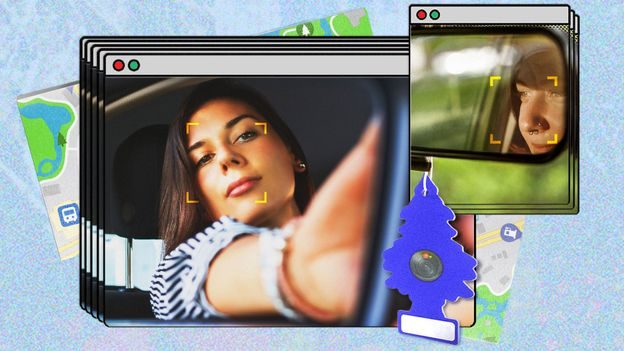
Cars Collect a Startling Amount of Data About Their Drivers
Modern cars are computers on wheels: they log precise location history, passengers and driving habits, and insurers use that data to charge some drivers more. A new US law may add health data to the pile.
Modern cars are computers on wheels, and they collect far more data than most drivers realise. According to the companies' own privacy policies, that can include precise location history, who is in the car, what is playing on the radio, whether seatbelts are fastened and how hard the driver brakes.
Sensors inside and out
Cameras and sensors sit in the seats, the dashboard, the engine and the steering wheel. Some vehicles can gather details drivers would not expect: weight, age, race and facial expressions. Because most new cars have an internet connection, that data can be transmitted while the car is moving. Consulting firm McKinsey found that 50% of cars on the road in 2021 were connected, and predicted the figure would reach 95% by 2030.
Darrell West, a senior fellow at the Brookings Institution's Center for Technology Innovation, says people would be shocked at how many data points their car collects and sends to manufacturers or third-party applications. In his words, it means a person's life can be recreated almost second by second.
Insurers, brokers and the price of data
Insurance companies are among the biggest buyers of car data, and they use it to charge some drivers more. Michael DeLong of the Consumer Federation of America says insurers have collected vast amounts of driving data to raise premiums, deny coverage or sort consumers into categories. A driver who obtained his own file from the broker LexisNexis reportedly found 130 pages covering every trip he and his wife made in six months; after his insurance costs rose 21%, an agent told him the data was a factor.
A 2023 Mozilla review of 25 car brands found every one failed its privacy and security standards; the foundation called cars the worst product category it had ever reviewed. Nineteen companies said they might sell driver data. US authorities acted against General Motors over the alleged sale of location data without consent, and the company is now barred from selling vehicle data for five years. Senators have accused Honda and Hyundai of similar practices.
A new law and what drivers can do
US law will soon require carmakers to install advanced impaired-driving prevention technology, including infrared cameras that track eye movement and behaviour to detect drunk or drowsy drivers. Privacy advocates note the law says nothing about what happens to the health-related data those systems create, and the National Highway Traffic Safety Administration says it continues to work on such concerns; implementation is likely to be delayed because the technology is not ready.
For drivers, the practical steps are limited but real: think twice before joining an insurance telematics programme — a Maryland analysis found 31% of participants saw rates fall, 24% saw them rise and 45% saw no change — and check the privacy settings in the infotainment system and companion app. Privacy analyst Jen Caltrider, who led Mozilla's research, argues the burden should not fall on drivers: until people own and control their data, she says, the problem will keep getting worse.
SiTech — AI-powered web development
We build fast, modern websites and bring AI into real business workflows. Have a project or a question? We'd love to help.