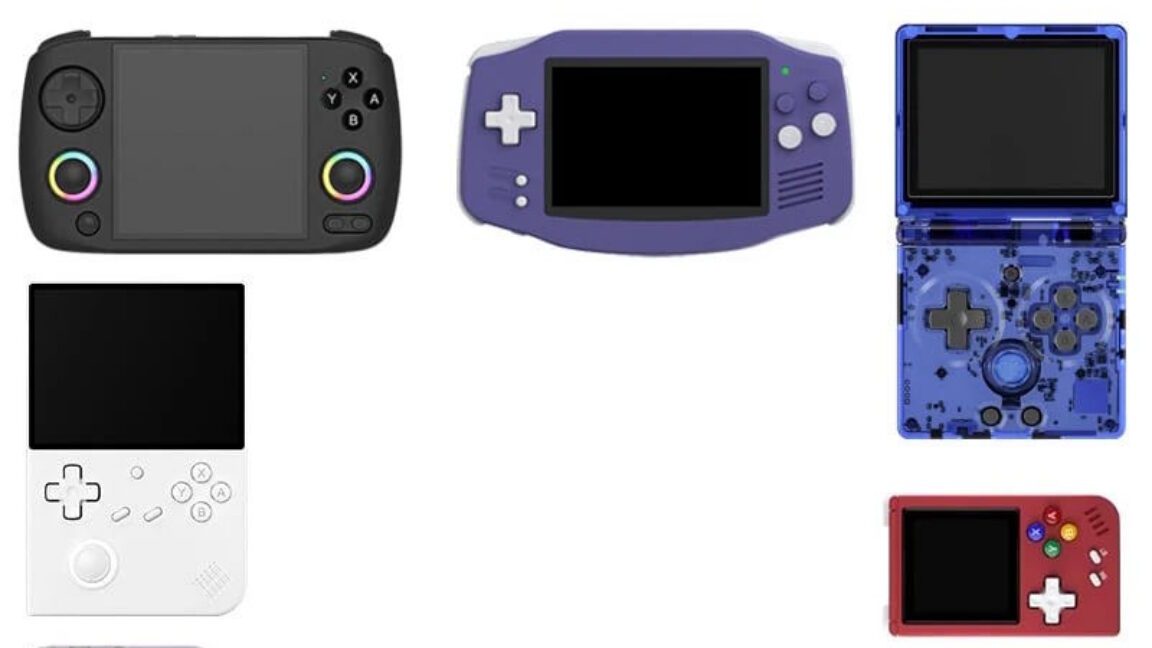
ESA asks USTR to list Anbernic as Notorious Market over preloaded pirated games
The Entertainment Software Association has asked the US Trade Representative to add handheld maker Anbernic to its Notorious Markets list, calling devices preloaded with pirated games "superfakes" that enable copyright piracy.
ESA petition targets Anbernic handhelds
The Entertainment Software Association (ESA) has asked the US Trade Representative (USTR) to add Chinese handheld gaming device maker Anbernic to its Notorious Markets list, which names markets that engage in or facilitate substantial copyright piracy or trademark counterfeiting. TorrentFreak was among the first to report the petition, which was submitted to the USTR last week.
Preloaded game cards at the center of the dispute
In its filing, the ESA, whose members include Nintendo, Microsoft, PlayStation, Amazon, Epic, EA, Ubisoft and others, says Anbernic devices are routinely offered or shipped with removable memory cards preloaded with hundreds or thousands of unauthorized copies of games published by its members. The group argues that selling these ROM laden devices through normal retail channels helps normalize hardware based piracy by delivering illicit catalogues through a polished consumer product, which it says meets the threshold for a "superfake," its term for high quality counterfeit goods distributed on a commercial scale. Anbernic itself does not appear to preload ROMs on devices sold directly from its website.
No direct legal penalty, but pressure is mounting
Inclusion on the list would not bring direct legal consequences for Anbernic, but the USTR says the list encourages responsible authorities to step up anti piracy efforts and helps governments prioritize intellectual property enforcement. Listing could also presage a Section 301 investigation that might lead to legal consequences or restrictive import controls. The petition reflects a broader shift: sellers on Amazon, eBay, TikTok and even some news outlets now openly advertise emulation handhelds loaded with thousands of games, moving ROM distribution into mainstream retail. Ars Technica notes that targeting the hardware maker is an odd choice, since large online marketplaces could do much more to stop the advertising and sale of illegal ROMs directly to consumers.
Sources: Arstechnica
SiTech — AI-powered web development
We build fast, modern websites and bring AI into real business workflows. Have a project or a question? We'd love to help.