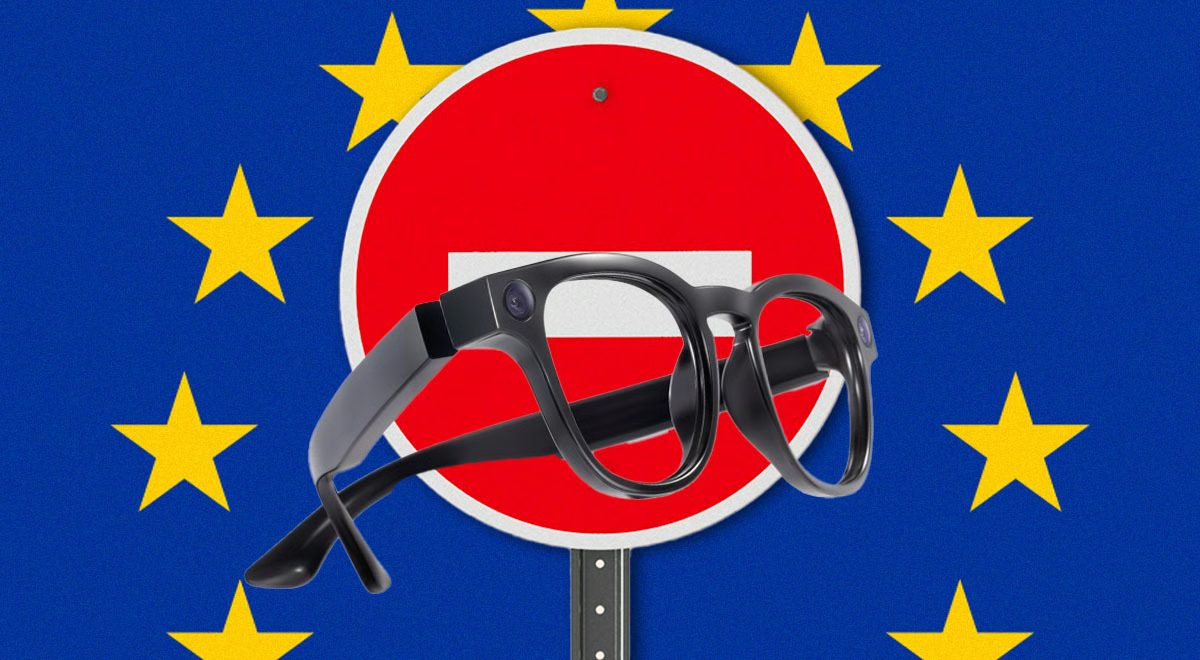
EU Privacy Watchdog Warns Smart Glasses Pose GDPR Risks Over Hidden Recording
The European Data Protection Board warns that smart glasses with hidden cameras and microphones can record people without their knowledge, urging manufacturers to add visible recording indicators to comply with GDPR rules.
EU watchdog flags hidden recording risks
The European Data Protection Board (EDPB), the independent agency that ensures GDPR enforcement is applied consistently among EU member states, is calling on smart glasses manufacturers to address privacy violations. The board adopted a document titled Statement of the EDPB on smart glasses to give users and manufacturers guidance on how these products should be used to comply with the General Data Protection Regulation.
EDPB Chair Anu Talus said smart glasses look like ordinary glasses but include cameras and microphones connected to the internet, meaning individuals may be recorded without their knowledge. The board warns that, unlike smartphones and conventional cameras, smart glasses are hard to identify as recording devices and can capture pictures, record videos, eavesdrop on conversations, or livestream footage.
Transparency and legal basis required
The EDPB states that processing personal data must have a legal basis, such as obtaining consent from the people being filmed. Companies relying on legitimate interests, commercial purposes, or AI model training may find it difficult to justify their actions. The board says smart glasses should make recording obvious through clearly visible recording lights or LED indicators, voice activation, or audible signals when recording starts.
Talus added that even in public spaces, bystanders should clearly understand that someone is filming or photographing them, and that when it comes to privacy, individuals deserve clear warnings, not hidden surprises. The board calls for industry-wide standards and awareness campaigns to help people recognize smart glasses and understand when their data may be processed, and it says further guidance may be needed as the technology evolves.
European countries take action
Norway has temporarily banned all smart glasses in public spaces where privacy is a concern, including parks, schools, hospitals, and playgrounds. Other European countries are considering stricter regulations on the sale and use of smart glasses. In the Netherlands, a Dutch nonprofit announced it is taking Meta to court to get the company's smart glasses off the shelves. Dutch eyewear retail chain Hans Anders has also suspended sales of Meta's smart glasses indefinitely in both the Netherlands and Belgium due to privacy concerns.
Sources: Cybernews
SiTech — AI-powered web development
We build fast, modern websites and bring AI into real business workflows. Have a project or a question? We'd love to help.