Europe's Summer Drought Pushes Desertification Onto the Agenda
Drought and extreme heat have shrivelled rivers, lakes and fish ponds from Slovenia to Romania, with damage in the millions of euros and desertification now threatening Hungary's Great Plain.
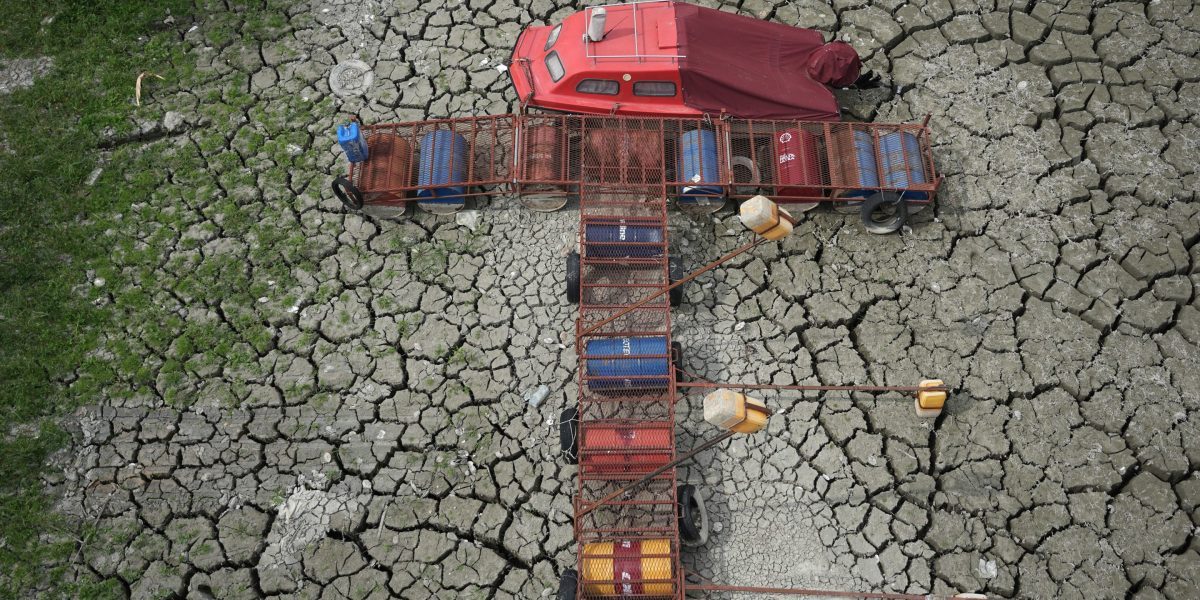
Small boats sit idle on cracked ground in a shrivelled side channel of the Danube in northern Serbia, where the river has receded into a couple of shrinking ponds under pressure from extreme drought and heat. "This is all we have, these two little ponds that are full of juvenile fish," fisherman Dusan Jovanovic told the Associated Press, warning that the water is too scarce and its temperature above 30 °C. "If they start to die, they will all die at once."
From Slovenia to Romania
Persistent drought and scorching heat this summer have ravaged ecosystems and businesses across the region, from a lake in eastern Slovenia and the Danube's side channel in Serbia to fish farms in Bosnia, the Czech Republic, Romania and Hungary. The fish industry has been hit especially hard, with damage estimated in the millions of euros, adding to the toll of energy and water supply problems, devastated crops and losses in river traffic and trade. Unprepared for this year's crisis, countries and businesses are now weighing how to soften the impact of future extreme weather that scientists tie to human-induced climate change.
In Hungary, around 99 percent of the country's land is under severe or extreme drought conditions, according to the national meteorological service, and desertification — the retreat of vegetation caused by high heat and low rainfall — threatens much of the Great Hungarian Plain. Of Hungary's roughly 27,000 hectares of fish ponds, the agriculture ministry said persistent heat and water shortages had dried out 1,588 hectares, killing nearly 280 metric tons of fish at 20 farms, for an estimated revenue loss of 1.3 billion forints ($4.2 million). Producers say replacing the lost stock could take years, and operators were sometimes forced to drain one pond and divert its water to save the fish in another.
Years of drought compound the damage
Romanian carp farmers are still feeling the effects of severe droughts in 2023 and 2024, according to Catalin Platon, president of the ROMFISH national association of fish producers. Carp production runs on a three- or four-year cycle, he said, so what was lost in 2023 has had an impact every year since; water-use policies that prioritised irrigation for agriculture during earlier droughts left producers "with no water for the fish."
Czech fish farmers have reduced or suspended feeding to cut oxygen use, aerated ponds or drained them where necessary. Officials at the Czech Fishing Association say sustained rainfall could ease the immediate crisis, but that long-term measures are needed to retain more water in the landscape. In Slovenia, emergency teams have pumped 8 million litres (2 million gallons) into Lake Pristava to try to prevent a mass suffocation of fish; "we are surprised that any fish has survived at all," said Danijel Fras of the Pesnica Lenart fishing association. In Bosnia, trout farmer Veljko Budjen said trout need cold, oxygen-rich water, so hot summers force producers to cut output and feeding so the business "can just barely survive" — or add liquid oxygen and wait for the first rain.
SiTech — AI-powered web development
We build fast, modern websites and bring AI into real business workflows. Have a project or a question? We'd love to help.