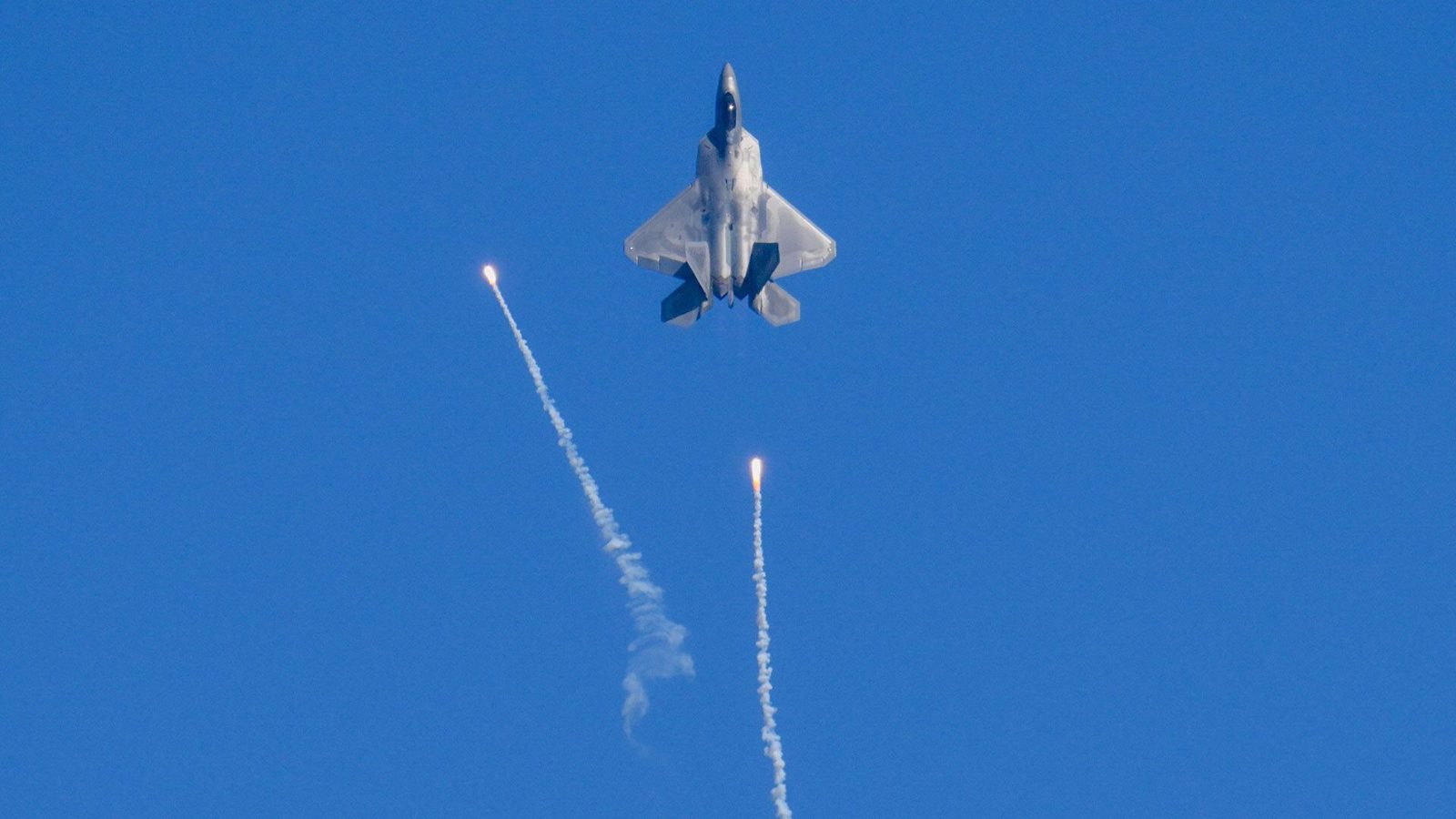
F-22 Pilot Commands Anduril YFQ-44A Fury Drone in Simulated Combat Test
An F-22 Raptor pilot has directed an Anduril YFQ-44A Fury drone during simulated combat in a U.S. Air Force airborne test. The drone turned tactical commands into flight tasks, a step toward the Collaborative Combat Aircraft program.
Airborne command test
The U.S. Air Force has completed an airborne test in which an F-22 Raptor pilot directed an Anduril YFQ-44A Fury drone during simulated combat. The pilot issued tactical commands, and the uncrewed aircraft interpreted them into a series of tasks and flight maneuvers to reach the desired result.
The test supports the Air Force Collaborative Combat Aircraft program, which aims to bring autonomous systems into fighter squadrons. A central goal is to let a crewed jet assign a mission and have the drone carry out the details without direct manual control.
Why autonomy matters
Fighter pilots already manage flying the jet, sensor data, threat assessment and weapons release decisions. Because of that workload, expecting a pilot to manually fly a drone is described as next to impossible.
Under the demonstrated concept, the F-22 pilot could assign the Fury a task such as monitoring for and engaging enemy air defenses while the crewed fighter focused on a primary mission such as taking out enemy fighters.
Work before deployment
The result does not mean drones will join frontline squadrons immediately. Command integration is the first hurdle, and the program still needs to set limits for tactical autonomy, safe flight control and weapons authorization as separate functions that must be tested.
The Air Force also needs to assess electronic interference and how the drone would keep operating if communications are interrupted. It must still be tied into logistics and supply chains, including maintenance, weapons handling, deployment procedures and forward airbase operations with limited infrastructure.
The Air Force views autonomous drones as a force multiplier for crewed aircraft, pointing to the potential for one pilot to command multiple jets at lower cost than an all crewed force. Sweden and China are also exploring a single operator controlling multiple drones, though the Collaborative Combat Aircraft effort is focused on air power rather than ground based operations.
Sources: Tom's Hardware
SiTech — AI-powered web development
We build fast, modern websites and bring AI into real business workflows. Have a project or a question? We'd love to help.