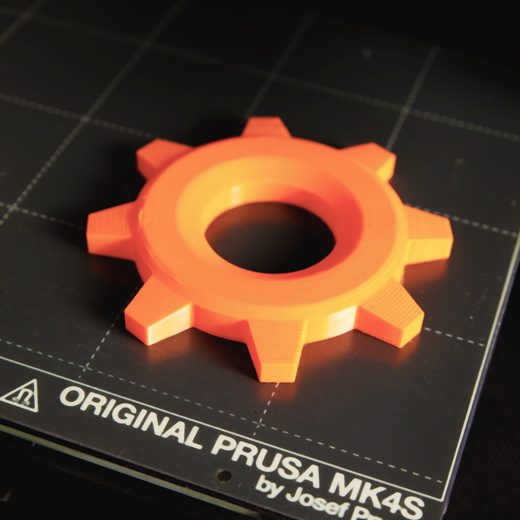
Factorio you can touch: Wube Software releases official 3D-printable models
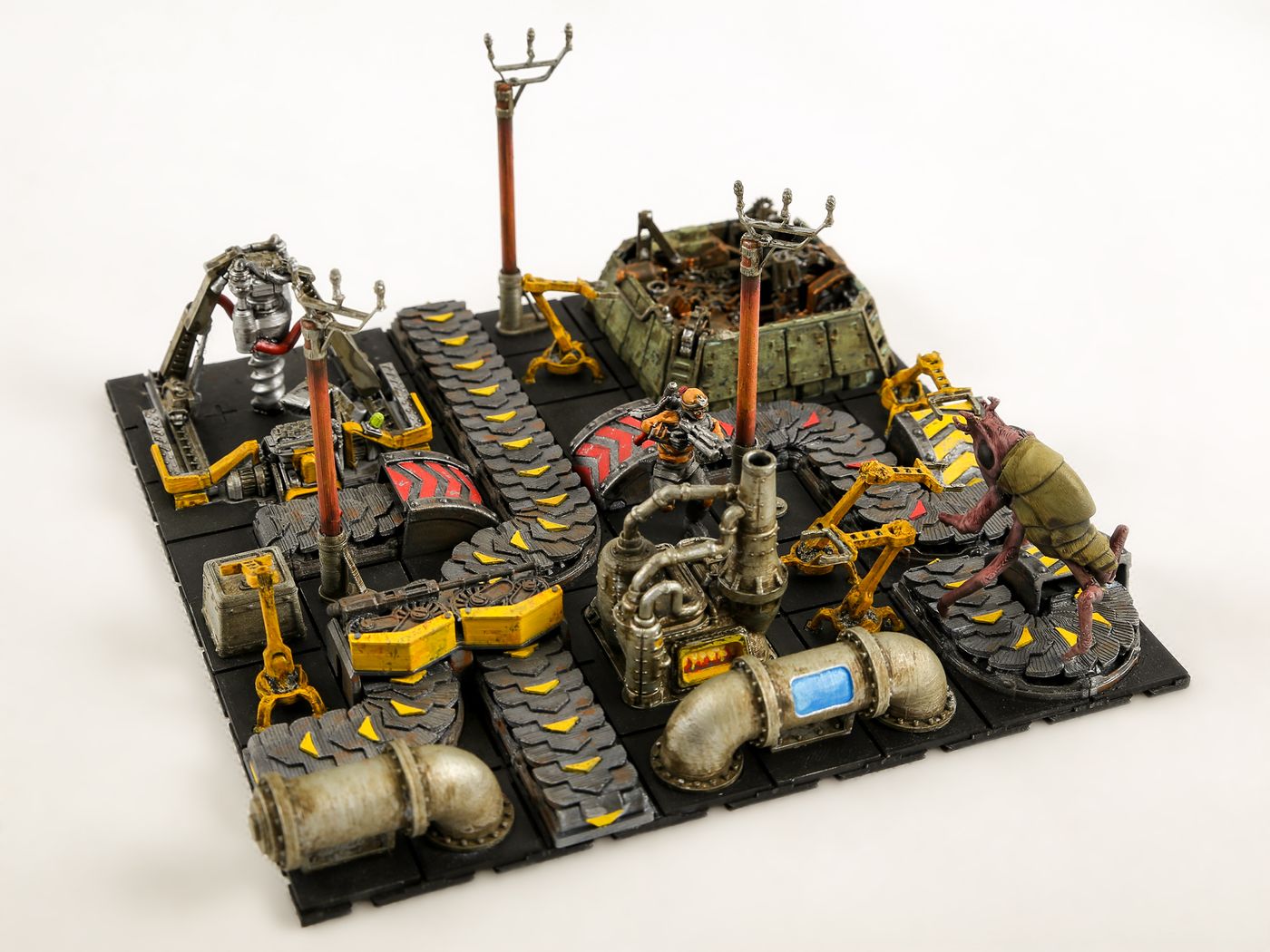
Wube Software has published official 3D-printable models of Factorio's machines, belts and creatures: 15 model sets, 65 individual models and 247 STL files, free on Printables and made with Prusa Research.
Wube Software has published official 3D-printable models of Factorio's machines, belts and creatures. The collection is free on the studio's Prusa Brands profile on Printables and was made together with Prusa Research, as described in Friday Facts #447.
The story starts in the summer of 2024, when Wube was finishing the Space Age expansion and organised a playtesting event where teams of players played the game from start to finish (FFF-427). Prusa Research joined with presentations, and during the event the team decided to print Factorio models on site: artist Fearghall built a simple Wriggler from Gleba. After the release and the months of polishing, the studio returned to the idea and began prototyping in its spare time.
Transport belts came first
The concept settled around the transport belt: belts are the core of every factory, so designer Jarosław built a grid system that lets printed entities stand next to each other exactly as they do in the game. Inserters followed, then chests, the player character, a stone furnace and the enemy family of spawners, biters, spitters and worms. Printing every Factorio entity would have taken too long, so the team stayed in the early game. The result is 15 model sets with 65 models in 247 STL files.
Two variants of every model
Almost every model comes in two variants. One is built to high precision so that parts push together and hold by fit; the other keeps a larger clearance for players who glue everything permanently or whose printer needs more room. Supports were avoided wherever possible, so models were split into parts that print cleanly and then assemble into the finished machine.
Moving an isometric game into the real world brought problems of its own. Some models are not what they seem: the north-south and east-west mining drills are not identical, and entity heights are squeezed into one tile in the game while looking much taller. The back sides of some machines were never modelled, so Jarosław designed new machinery there. Organic models were harder, because their detail lives in textures that cannot become printable geometry, and the biter spawner needed cleaning up first. Biters print upside down with a separate shell that snaps on, while the running pose needs supports that the idle one avoids.
Wube explains the choice with two reasons. Physical memorabilia is fading and boxed releases are almost history, while expensive limited collector's items did not feel right for a software company with a large community. The models are a thank-you gift anyone can download and print, and a chance for players to iterate on the studio's designs.
SiTech — AI-powered web development
We build fast, modern websites and bring AI into real business workflows. Have a project or a question? We'd love to help.