Federal Judge Rules Flock Search Was ‘Indiscriminate Mass Surveillance’ and Unconstitutional
A federal judge in Oklahoma ruled that a Tulsa County deputy violated the Fourth Amendment by running a California license plate in Flock Safety's camera network without a warrant, and suppressed all evidence from the stop.
A federal judge in Oklahoma ruled on Thursday that a sheriff's deputy violated a woman's Fourth Amendment rights when he searched her license plate in Flock Safety's automated license plate reader (ALPR) network only because the plate was from California, then used her travel history as part of the reason to search her car. Judge Sara Hill ordered that all evidence obtained through the Flock search and the vehicle stop be suppressed.
What happened
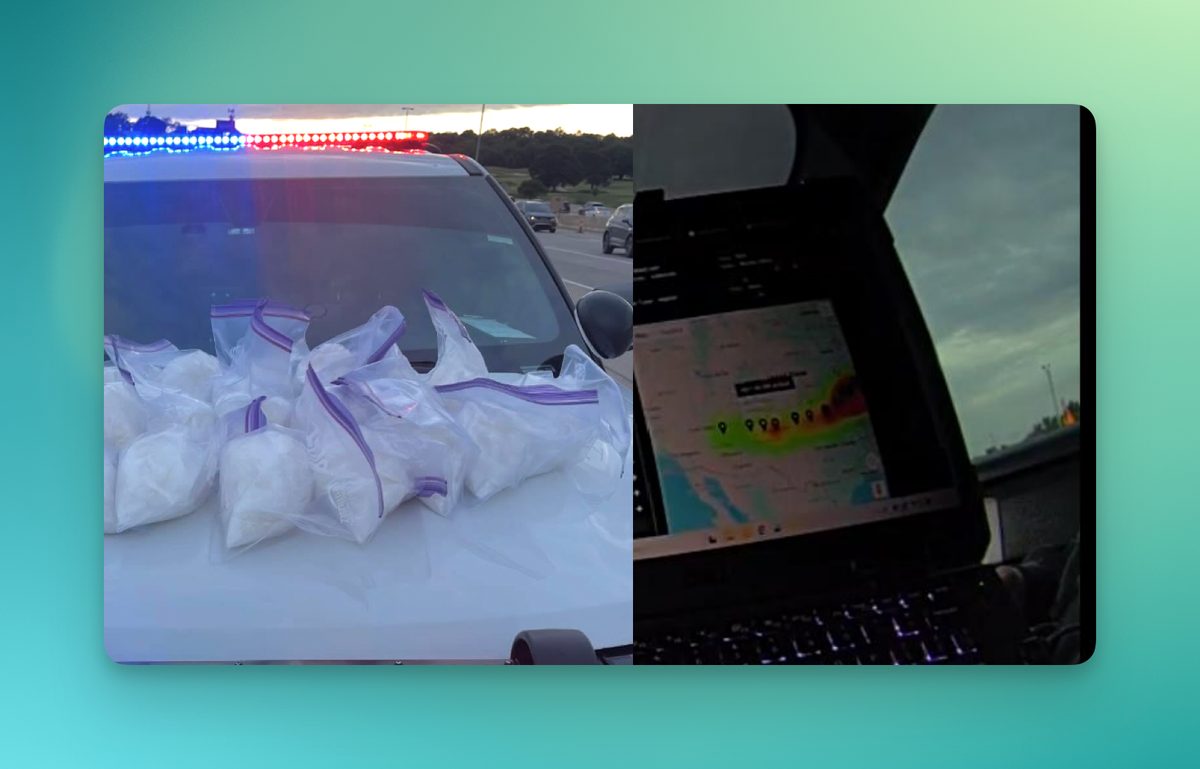
In May, Tulsa County Deputy Sheriff Freddie Alaniz was parked along a highway when a Mazda SUV driven by Melisa Kyle, with a California plate, passed him. Alaniz followed the vehicle and ran the plate through Flock's system, Hill wrote. He then pulled her over for changing lanes without signaling and questioned her about her travels while reviewing ALPR records; he said he suspected drug trafficking because she had spent only a short time in California. A search of the car turned up 91 pounds (about 41 kilograms) of meth. The ALPR search, the judge wrote, "was not supported by probable cause, and it was done without a warrant."
‘Indiscriminate mass surveillance’
Hill found the ALPR records intruded on Kyle's "reasonable expectation of privacy in the whole of her physical movements," making the query a search under the Fourth Amendment. The ALPR search alone gave Alaniz more than 50 individual records of Kyle's whereabouts across the country for a month. "This is a type of indiscriminate mass surveillance," the judge wrote, adding that the nationwide network is quickly "approaching dragnet-type law enforcement practice." She said earlier rulings relied on United States v. Knotts, a 1983 chemical-container tracking case, which faced "much less sophisticated technology." The ruling does not set binding precedent, and similar cases are pending nationwide.
Why it matters
Michael Soyfer, a lawyer at the Institute for Justice, which has studied Flock camera abuse and is litigating several Fourth Amendment cases, told 404 Media the ruling is "pretty amazing" because it recognizes the sheer breadth of these systems, and said earlier decisions were too myopic, ignoring that such networks can reconstruct the movements of anyone in the country.
The decision landed the same week a jury found traffic stops based on license plate reader scans by a U.S. Border Patrol predictive policing unit were unconstitutional. It also follows the Supreme Court's Chatrie v. United States ruling that police access to digital data, including cell phone location data, is a search.
Flock CEO Garrett Langley said in July that courts have so far deemed the system "not a warrantless search" and called the issue "cut and dry." Flock Safety did not immediately respond to a request for comment. According to audit logs reviewed by 404 Media, more than 100,000 warrantless searches of the Flock system are run every month.
SiTech — AI-powered web development
We build fast, modern websites and bring AI into real business workflows. Have a project or a question? We'd love to help.