Houthis take control of Perim Island on the Bab al-Mandab shipping route
The Iran-backed group has seized the small island inside the Red Sea strait that links Asia to Europe, after capturing the port of Mokha, as Washington urges diplomacy and aid agencies count new displacement.
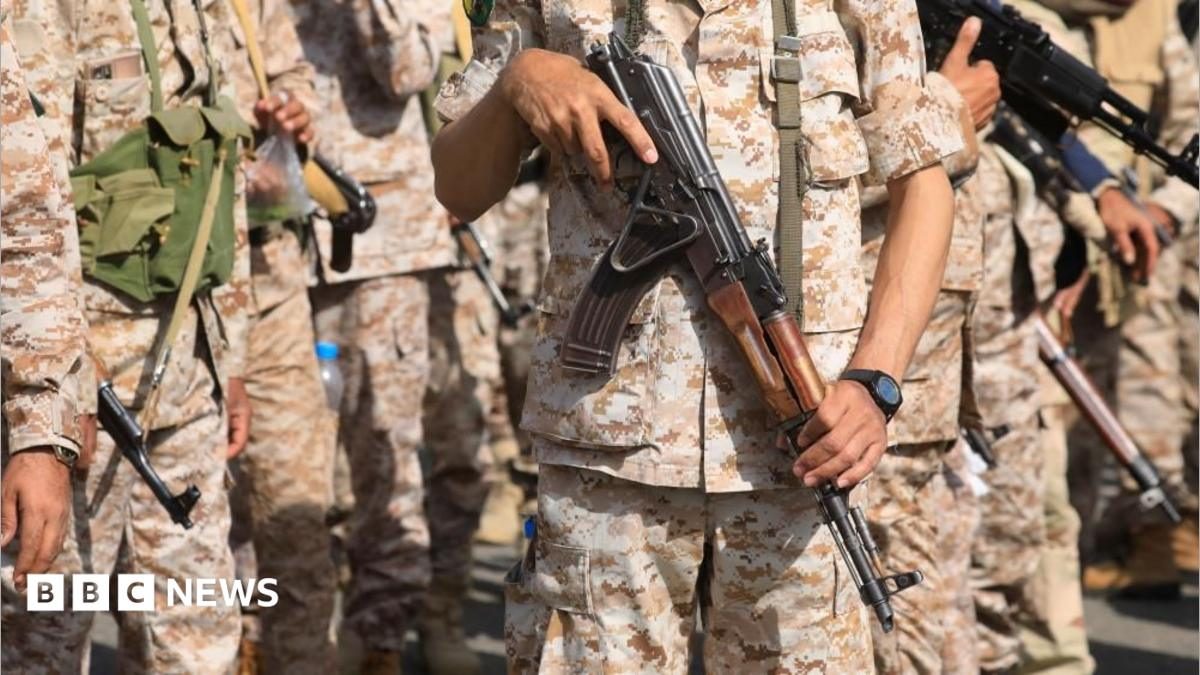
Fighters from Yemen’s Iran-backed Houthi movement have taken control of Perim Island, a small island inside the Bab al-Mandab Strait, according to a Yemeni government source and eyewitnesses quoted by AFP. The group captured the Red Sea port of Mokha earlier in the week and, an unnamed Yemeni military official told the agency, has now seized “everything that was under our control on the western coast,” including two other islands in the strait. Saudi Arabia responded by striking Mokha airport.
What the Houthis say
Houthi military spokesman Yahya Sarea declared the “large-scale” operation, launched on 3 September to expel “Saudi-backed forces” from Yemen’s west coast, a success. In his statement he said “maritime navigation is safe for all companies except for Saudi vessels,” which remain subject to a naval blockade - but made no mention of Perim Island. The advance was described by observers as the group’s most significant battlefield gain in years. More than 46,000 people have been displaced since the fighting escalated last week, the International Organization for Migration says.
Why the island matters
Perim, also known as Mayyun, sits directly in the Bab al-Mandab, the narrow gateway between the Gulf of Aden and the Red Sea and the route connecting Asia to Europe through the Suez Canal. Its capture gives the Houthis a far stronger position from which to threaten shipping if they choose to, the BBC’s correspondents note. Across the water lies tiny Djibouti, where the United States, China, France, Japan and Italy all operate military facilities; the US base at Camp Lemonnier supports around 4,000 personnel.
The stakes have risen because the Strait of Hormuz has been largely closed by the war with Iran, leaving Saudi Arabia - the world’s second-biggest oil producer - dependent on its Red Sea route for oil exports. Prices have stayed calm so far, likely because wholesale traders are unsure what the impact of a closure would be: a full blockade would push oil prices up, while a partial one could be worked around through Suez at a cost, and most large tankers are not Saudi-registered.
Washington’s narrow path
Saudi Crown Prince Mohammed bin Salman asked President Trump to take military action against the Houthis after their rapid advance, and Trump declined, two sources told CBS News, the BBC’s US partner. Washington has instead offered intelligence and targeting support, though talks “remain fluid.” A State Department spokesperson declined to comment on the call, saying the US is in “regular communication” with Saudi Arabia and Yemen’s government and remains focused on freedom of navigation in the Red Sea and on its counterterrorism goals against the Houthis.
For Yemenis in the path of the advance the cost is immediate. The UN classes the country among the world’s largest displacement crises; one man in a camp in the north-west told BBC Arabic he has not seen his children, 12 miles away across the front line, in eight years. BBC Verify documented armed men at Mokha’s airport terminal and on the city’s streets after its capture, and satellite imagery showed fires at Saudi refineries after Houthi claims of strikes on 27 July.
SiTech — AI-powered web development
We build fast, modern websites and bring AI into real business workflows. Have a project or a question? We'd love to help.