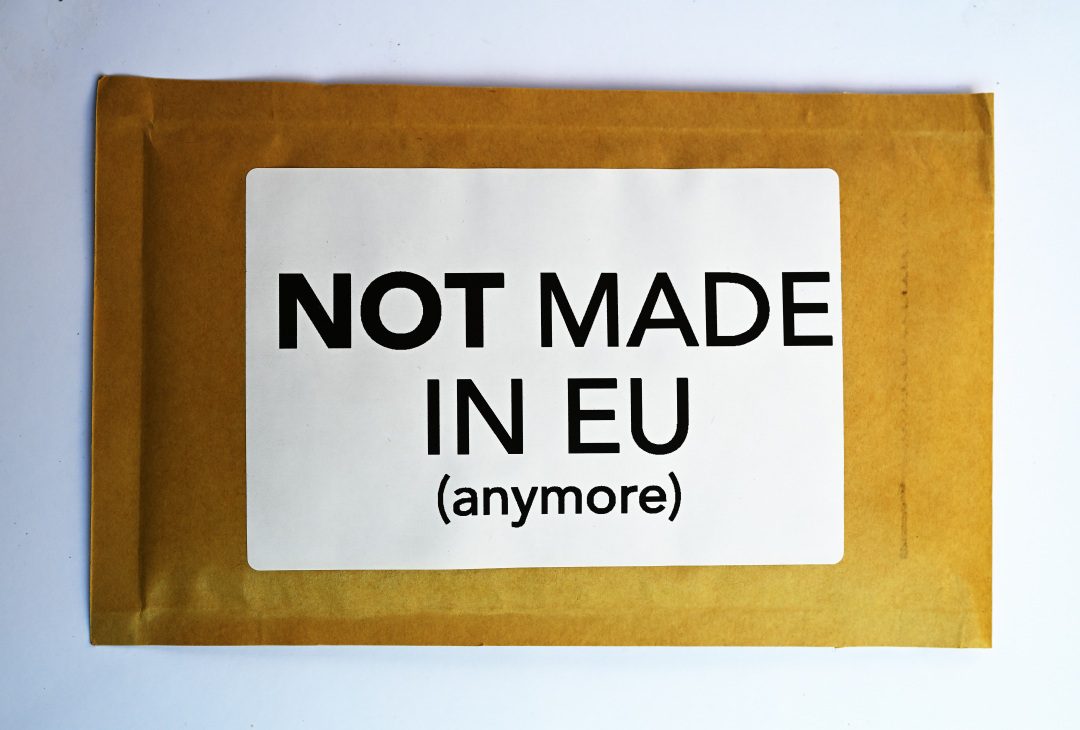
How the EU's new packaging rules squeeze makers and micro-entrepreneurs
The EU packaging regulation applies from August 2026, but its fragmented national EPR model can cost a micro-seller more than a thousand euros a year just to register in the countries it ships to.
The European Union's Packaging and Packaging Waste Regulation (PPWR), which generally applies from 12 August 2026, has turned into a heavy obstacle for makers, independent designers and micro-entrepreneurs. The problem is set out by Alain Pannetrat, founder of Lectronz, a marketplace for open-source hardware makers and DIY electronics.
A sensible idea, a fragmented implementation
Extended Producer Responsibility (EPR) schemes have existed in the EU for years: businesses that put packaging on the market help finance its collection and recycling. Instead of creating one European system, however, the new regulation preserves national ones. A seller shipping to several Member States must register and meet its obligations separately in every country where its packaging becomes waste.
A €25 board, four countries
Pannetrat uses the example of a Greek engineer selling a €25 open-source sensor board: five units to Germany in the first year, two to France, two to Austria and one to Belgium. The packaging for each sale weighs roughly 50 grams. The seller has just become a packaging waste producer in four countries.
Compliance costs add up quickly. In France, registration fees come to about €110 a year, plus €190 to €300 for an authorised representative. Belgium charges €50 to €100 in administrative fees plus roughly €250 to €450 for a representative. Germany's registration is free, though scheme participation starts at about €10 a year and a representative costs around €190. Austria charges about €250 in fees plus roughly €100 for a representative. The barrier to entry for those four countries totals about €1,150 a year in an optimistic scenario.
As the article puts it, the environmental contribution on half a kilogram of packaging is measured in cents, while the bureaucracy required to account for it is measured in thousands of euros.
What it means for the ecosystem
Lectronz takes a 5% fee on every transaction and waives it on the first five sales. Over the past year, half of its registered sellers received fewer than 10 orders — exactly the experimental space that the rules threaten. The obligations apply not only to businesses registered in the EU, but to anyone selling to EU buyers.
Proposed fixes and a petition
The author suggests an EU-wide de minimis threshold for small-volume sellers, a single EPR "One Stop Shop" portal modelled on the VAT One Stop Shop, and a mechanism that lets marketplaces report and pay on behalf of all their sellers as if they were one producer. Slovak artist Jeanette Koňarčíková has launched a petition on Change.org, and the European Commission has an open public feedback page on national registers of producers.
SiTech — AI-powered web development
We build fast, modern websites and bring AI into real business workflows. Have a project or a question? We'd love to help.