How open science helps researchers prepare for the next pandemic
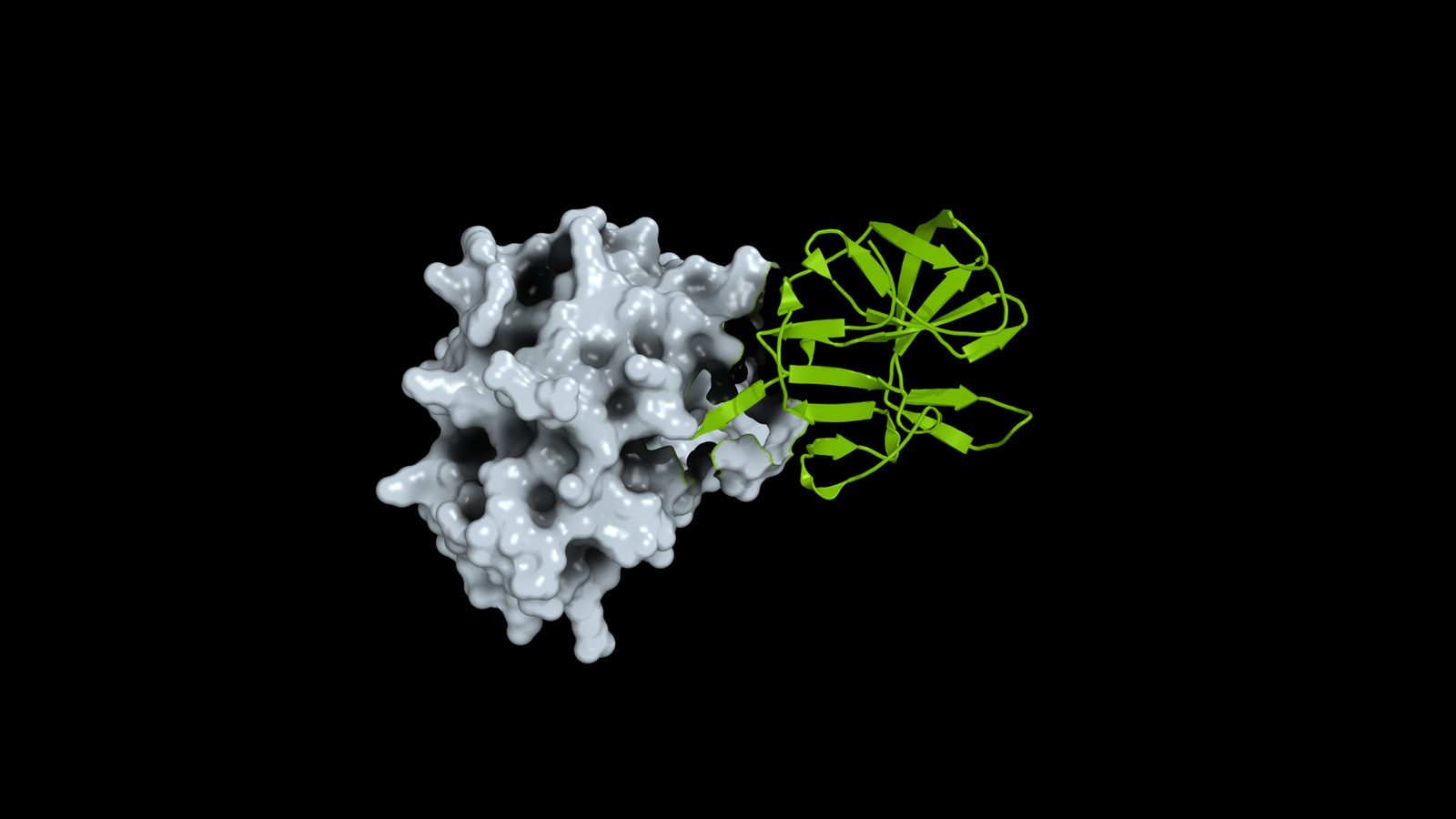
NVIDIA and partners including Google DeepMind and EMBL-EBI have released predicted 3D structures for the protein complexes of more than 2,800 viruses through the AlphaFold Database. Roughly 30% of the interactions are entirely new to science.
NVIDIA has published predicted 3D structures for the protein complexes of more than 2,800 viruses, working with a coalition of research organizations that includes Google DeepMind and the European Molecular Biology Laboratory's European Bioinformatics Institute (EMBL-EBI). The data is openly available to any scientist through the AlphaFold Database.
The structures were inferred with AlphaFold2, Google DeepMind's AI model for predicting how proteins fold into 3D shapes, optimized with the NVIDIA BioNeMo Inference Runtime to scale inference to thousands of viral proteomes.
Why protein structures matter
Most proteins do not work alone: they assemble into complexes of several molecules, and those shapes are often what a vaccine or a drug has to target. Understanding the 3D structure of the virus behind COVID-19 was foundational to vaccine design; for thousands of other viruses no comparable knowledge exists today.
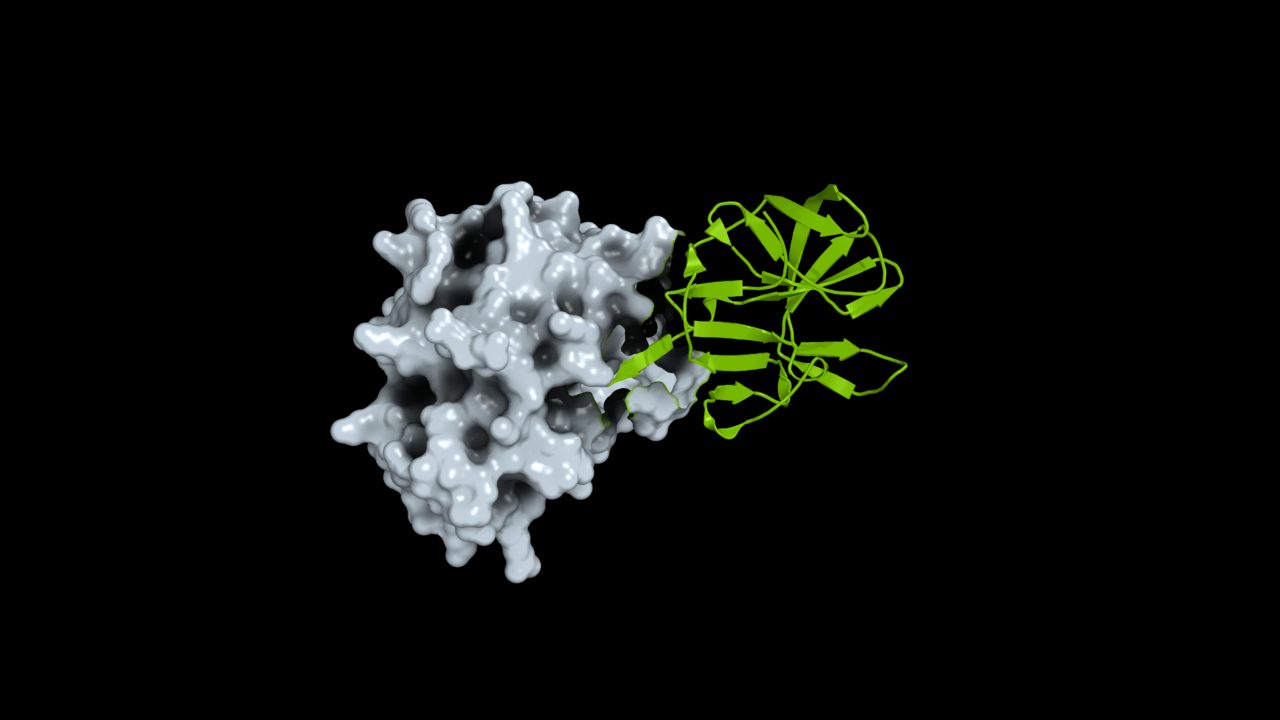
Determining a protein structure traditionally means crystallizing the protein and shooting X-rays at it, which can take years and cost thousands of dollars per structure. AlphaFold2, tuned to run on NVIDIA GPUs, predicts a structure in minutes and can run in bulk; high-confidence predictions can then be verified experimentally. The team worked through viral families known to infect humans, from common-cold viruses to threats such as Mpox.
About 30% of the interactions are new to science
Roughly 30% of the interactions being added to the database are completely new to science, showing shapes never documented in the Protein Data Bank, the main repository of experimentally determined protein structures. "This database is an engine for hypothesis generation," said Chris Dallago, applied research science team lead in digital biology at NVIDIA.
Preparation has to start now
An analysis by the Center for Global Development estimates a roughly 50% chance that the world will face a pandemic as severe as COVID-19 by 2050. "What we're trying to do is stockpile some of that knowledge ahead of time," said Joe Grove, professor of molecular virology at the MRC-University of Glasgow Centre for Virus Research.
The coalition also spans CEPI, Seoul National University, Sungkyunkwan University, the Swiss Institute of Bioinformatics and the University of Glasgow. NVIDIA is releasing the BioNeMo Structure Prediction Pipeline, the GPU-accelerated workflow used to build the dataset, so researchers can predict structures for their own protein targets.
The AlphaFold Database now holds more than 260 million protein and protein complex predictions.
SiTech — AI-powered web development
We build fast, modern websites and bring AI into real business workflows. Have a project or a question? We'd love to help.