OpenAI launches dots, an always-on personal assistant for ChatGPT Pro users
OpenAI has released dots, an always-on personal assistant available in ChatGPT desktop and mobile apps for Pro subscribers and higher. It connects to calendars, email and computers to work in the background.
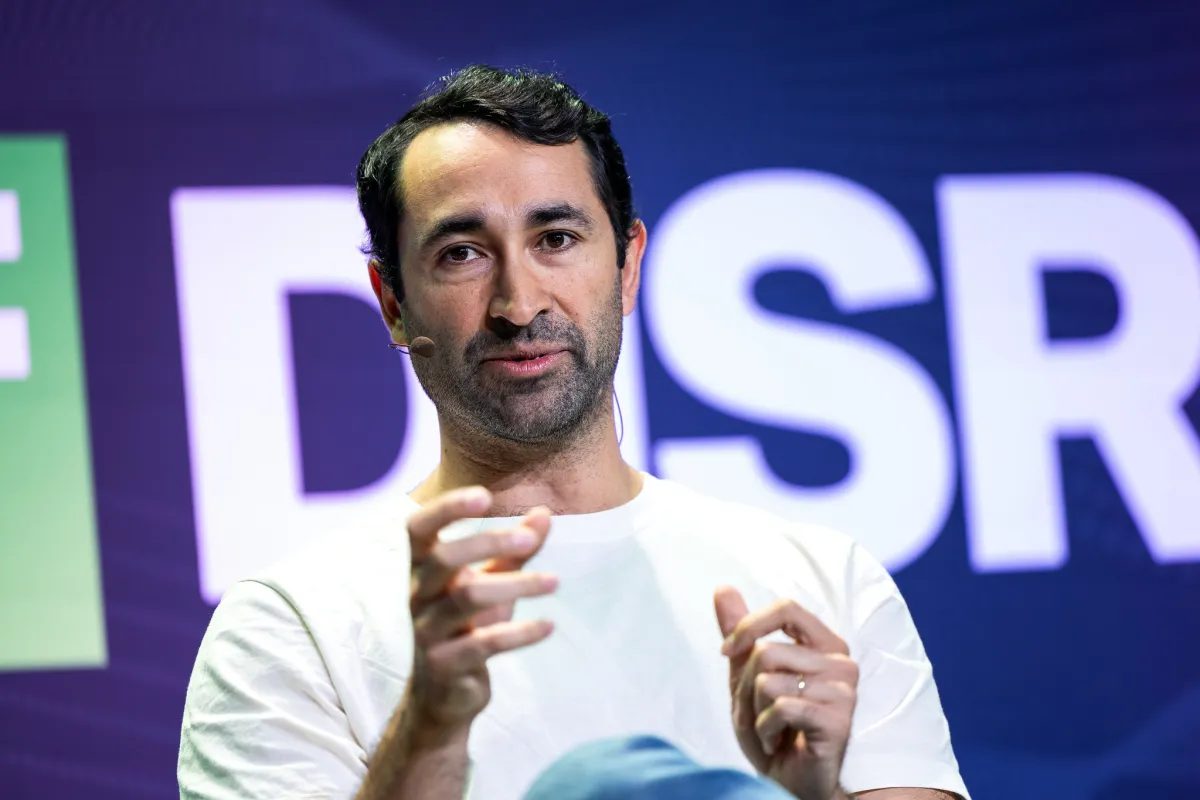
OpenAI released dots, an always-on personal assistant, at its developer day in late September. The product is available in the ChatGPT desktop and mobile apps to subscribers on the Pro tier or higher, with plans starting at $100 a month. Alexander Embiricos, who leads OpenAI's enterprise product team, discussed the assistant at TechCrunch Disrupt this month.
From coding tool to assistant
Embiricos said users could achieve much of dots' functionality with OpenAI's Codex app, its coding tool released at the beginning of this year, but that approach requires more work and hand-holding. He described dots as part of a path from chatbot to coding tool to personal assistant, with OpenAI repackaging model functionality into something more accessible.
The name dots is a play on the negative space inside OpenAI's logo, intended to feel like something that could eventually be ubiquitous. Asked when he learned that rival AI entrepreneur Elon Musk owns the dot.com URL, Embiricos said he found out very late. A persistent agent does not need prompting; for OpenAI that means more token usage, and for users a more proactive assistant.
Proactive help and privacy
In testing, the assistant's ability to think ahead was apparent and often useful, but it is not quite there yet. It will flag calendar conflicts and upcoming deadlines, though not necessarily in the most timely fashion. Embiricos recalled an early moment when his dot told him about a conflict three minutes before it happened. He expects timing to improve and said the proactive approach is key. He also shared a story of an engineer at a drone delivery startup whose dot noticed an outage, analyzed it, and brought useful information before the engineer noticed.
Dots raises questions about personal data. Embiricos said OpenAI built proactive research into dots. On a cadence, it considers what it knows about the user, past conversations, and access it has been given, then researches how it could be more helpful and proposes that. OpenAI says dots has the same privacy controls as ChatGPT itself. Users can turn off model training and control what resources it accesses within their computer and how. Embiricos said those controls are not granular, and the app can be pushy. For example, it refuses read-only access to cloud drives. He said OpenAI needs super granular controls and pointed to the model's intelligence and discretion. He also said OpenAI had conservative defaults at launch and can tune that over time.
Scaling agents and payments
Embiricos said businesses do not necessarily like dealing with agents and may not be equipped to, and people do not like dealing with them either. He is among those people. He has a human assistant because OpenAI's corporate partners want to interact with a person, and he said he never intends to have a meeting with someone else's agent.
If agents are the future, there is the question of whether the world's infrastructure can handle them. Embiricos said OpenAI is not always moving the fastest in shipping the next ability for its agent to work with the world, and that when it does, it works closely with the ecosystem. He said OpenAI is deep in conversations with payment processors. Letting an assistant spend money through payment partnerships would be a potentially lucrative first for OpenAI, but also a big ask for consumers.
Sources: TechCrunch
SiTech — AI-powered web development
We build fast, modern websites and bring AI into real business workflows. Have a project or a question? We'd love to help.