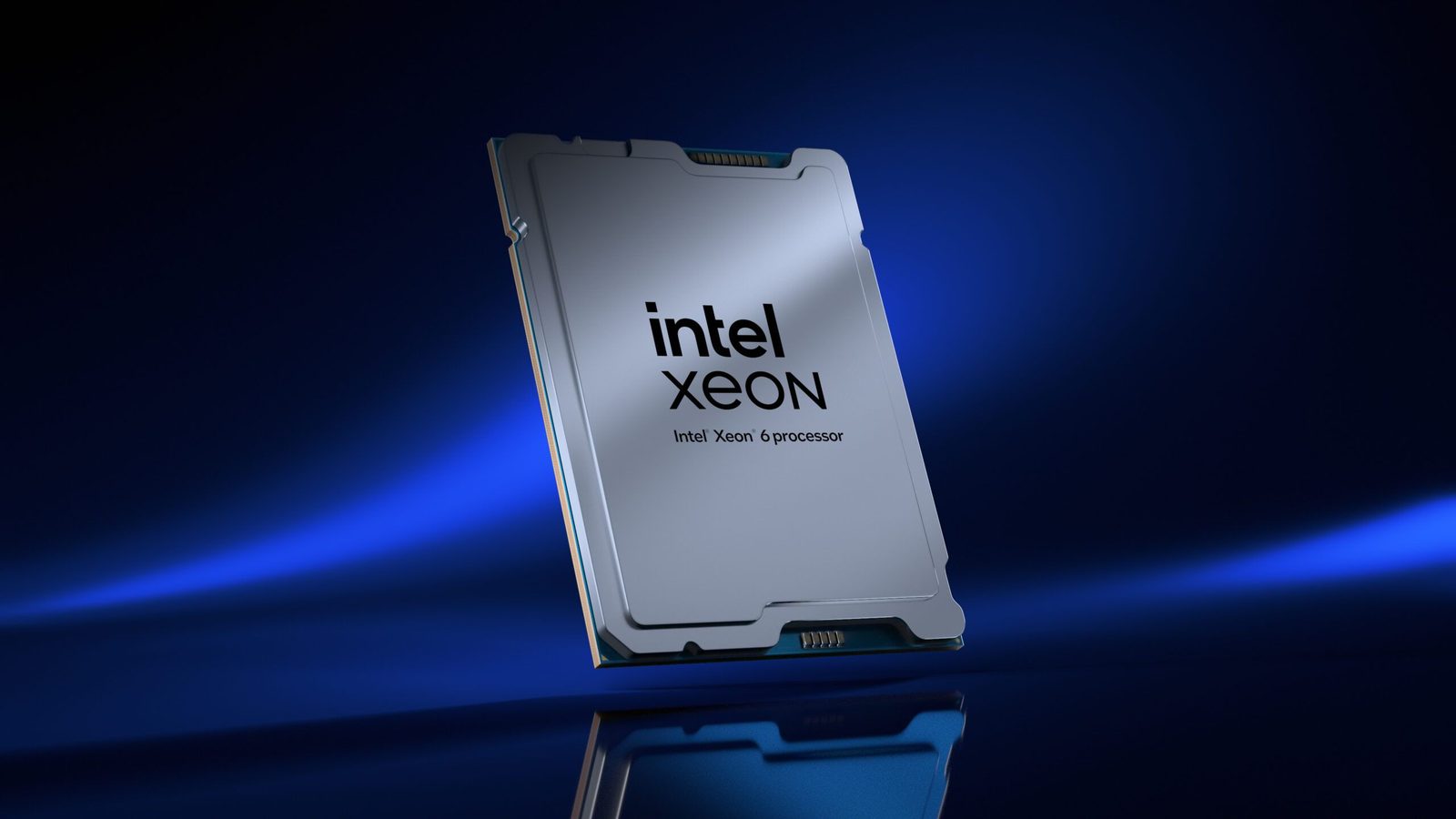
Intel to Phase Out SGX After Xeon Diamond Rapids, Shifts Confidential Computing Focus to TDX
Intel will end support for Software Guard Extensions after the upcoming Xeon Diamond Rapids generation, shifting its confidential computing strategy to Trust Domain Extensions with trusted I/O and post-quantum cryptography.
Intel Ends SGX Era With Diamond Rapids
Intel has announced plans to discontinue support for its Software Guard Extensions (SGX) technology after its upcoming Xeon Diamond Rapids processors. The company will instead concentrate its confidential computing efforts on Trust Domain Extensions (TDX), marking a strategic pivot roughly five years after SGX arrived on Intel's mainstream server platform.
Intel will continue to support existing SGX-enabled platforms into the early 2030s, giving customers several years to validate TDX-based alternatives and migrate existing applications. The company does not cite security concerns as a reason for the decision, even though both SGX and TDX have faced vulnerabilities over the years, including side-channel attacks, privilege-escalation flaws, and attacks against their attestation mechanisms.
From Application Enclaves to Virtual Machine Isolation
SGX and TDX take substantially different approaches to protecting data in use. SGX provides hardware-protected enclaves within applications, isolating selected code and data from other software, including the operating system and hypervisor. TDX instead isolates entire virtual machines from the underlying host environment, including the hypervisor and other VMs.
Because SGX requires developers to design or modify applications to use protected enclaves, Intel says TDX offers the scalability, ease of deployment, and operational model needed for widespread adoption of confidential computing. TDX can protect existing workloads inside confidential VMs without extensive application changes, which the company sees as particularly attractive to cloud service providers operating large numbers of virtual machines.
TDX Connect, Post-Quantum Crypto, and Agentic AI
Intel plans to expand TDX with additional security technologies, including Intel TDX Connect for trusted I/O, post-quantum cryptography, and enhanced attestation mechanisms. Trusted I/O addresses workloads that communicate with external devices, since protection of computations inside a virtual machine does not necessarily extend to data transferred between the VM and accelerators or other peripherals. Improved attestation will help organizations verify the integrity of protected environments, while post-quantum cryptography targets future security threats. Intel has not disclosed specific availability dates for these enhancements.
A key driver behind the strategy is the accelerated adoption of agentic AI. Autonomous agents may access sensitive enterprise information, execute operations across multiple systems, and interact with other agents. Intel expects many such workloads to run on CPUs, where TDX can protect entire agent execution environments without extensive software modifications and enable multiple agents to operate in separate, hardware-isolated VMs on shared infrastructure. For GPU-accelerated AI workloads, Intel works with Nvidia to coordinate confidential computing technologies across CPUs and GPUs to extend protection to sensitive data and AI models throughout the processing pipeline.
Cloud and Software Ecosystem Support
Intel TDX is already available through major cloud providers, including Alibaba Cloud, Google Cloud, IBM Cloud, Microsoft Azure, and Volcano Cloud. Meanwhile, Red Hat, Canonical, and VMware are adding TDX support to their software platforms to enable adoption in private clouds and enterprise environments.
Sources: Tom'S Hardware
SiTech — AI-powered web development
We build fast, modern websites and bring AI into real business workflows. Have a project or a question? We'd love to help.