Amazon Builds New Home Robot Team After Astro Stumbles
Amazon has formed a new home robot team to build a "new-to-world robot product" after its Astro device shipped to only a few thousand customers and never moved beyond beta.
Amazon has formed a new home robot team and is hiring for a "new-to-world robot product," according to CNBC's analysis of job posts. The move follows the company's earlier $1,450 Astro home robot, which launched in 2021 and never moved beyond an invite-only beta. Amazon says it remains committed to personal robotics despite Astro's limited reach.
New robot effort
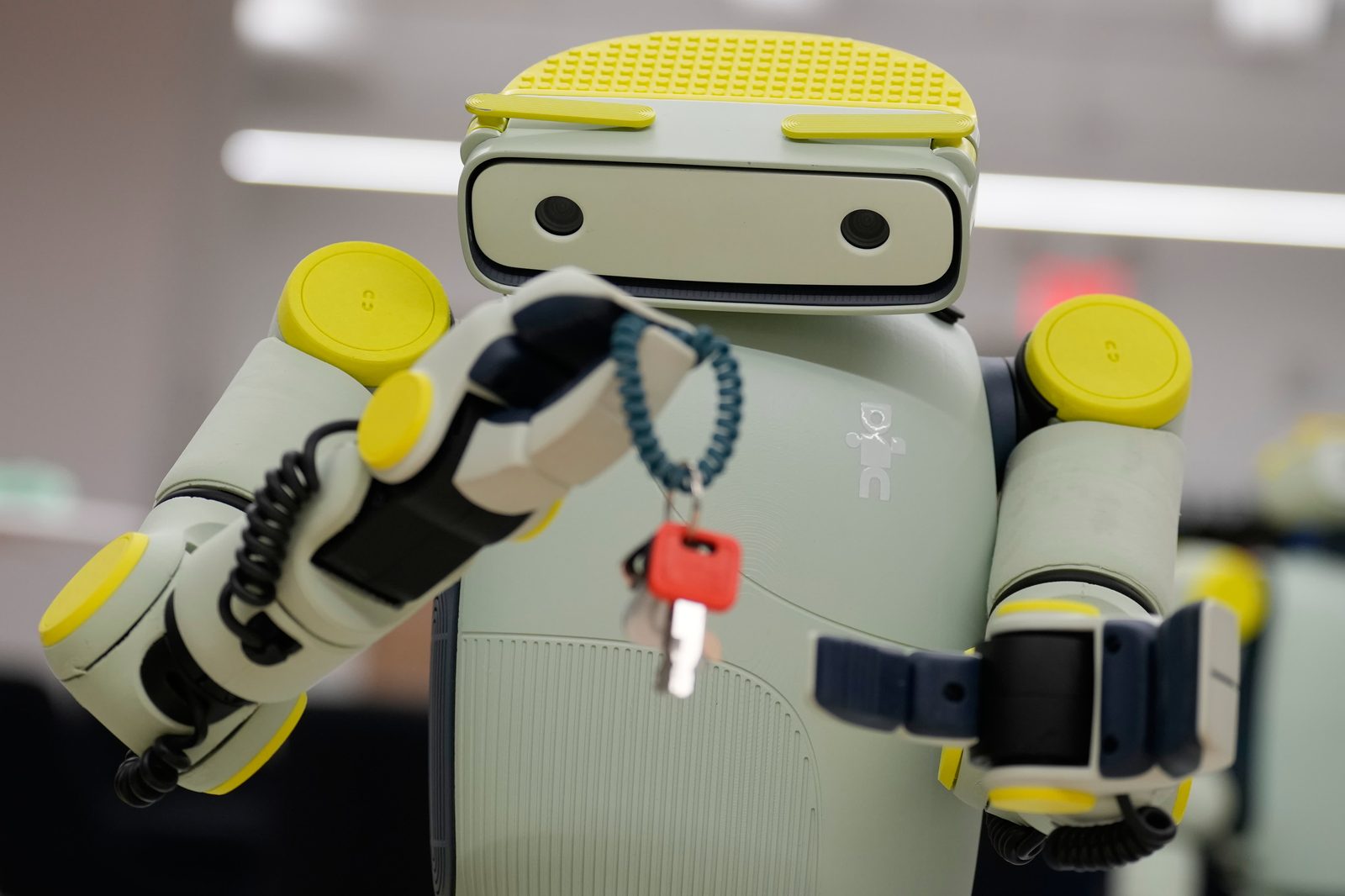
Over the past several months, Amazon assembled the team and redeployed much of the Astro team, while bringing in an MIT roboticist, LinkedIn profiles show. In March, Amazon acquired Fauna Robotics, maker of a 3.5-foot-tall humanoid called Sprout, and placed it in a new Personal Robotics Group. Sprout was designed to be "friendly and capable" with expressive yellow eyebrows and has primarily been used by developers and commercial and academic researchers. Some staff in that group previously worked in Amazon's Lab126 R&D unit.
Job postings described a product able to navigate "dynamic home environments" and operate autonomously alongside family members. One June posting hinted at robots that are "not just functional, but delightful," while an October listing sought a user experience designer to "define what it feels like to live with a Fauna robot." Amazon spokesperson Brad Glasser said the company acquired Fauna because it is "committed to tackling the challenges that can unlock the personal robotics category."
Astro's mixed record
Astro was introduced in fall 2021 as an Alexa-equipped tablet on wheels that can navigate a home, recognize faces and act as a roving security monitor. It shipped to just a few thousand customers, and Amazon released an Astro for businesses in 2023 before sunsetting it less than a year later. Owners have complained of diminished customer service, and some have tried to sell units on eBay and Facebook Marketplace, though Glasser said Amazon continues to support Astro customers. Owners also complain that Amazon's Alexa+ AI assistant is not supported on Astro.
Ken Washington, Amazon's former VP of consumer robotics, said executives discussed adding an arm so Astro could pick up and inspect items. He said he pushed for a bipedal robot, but leadership disagreed. He also said Jeff Bezos was disappointed with Astro's lack of functionality but impressed by its ability to map and navigate undefined spaces under all lighting conditions.
Market and technology backdrop
Amazon's new push comes as advances in AI, sensors, batteries and actuators fuel humanoid development. Barclays forecast in January that the global humanoid market, valued at $2 billion to $3 billion, could reach roughly $40 billion by 2035, or as high as $200 billion under the most optimistic scenarios. Colin Angle, co-founder and former CEO of iRobot, said the tools for building robots have advanced by "leaps and bounds" in recent years, while Jeff Burnstein, president of the Association for Advancing Automation, said homes are a much more challenging environment than factories because no two are alike.
Amazon has a large robotics history, including its 2012 acquisition of Kiva Systems for $775 million and more than one million robots across its fulfillment network. Glasser said Amazon takes a long-term view of personal robotics and values being an early entrant, adding that Astro helped build competencies and focus ambition. The company has applied many learnings, talent and experience from Astro into its other robotics efforts.
SiTech — AI-powered web development
We build fast, modern websites and bring AI into real business workflows. Have a project or a question? We'd love to help.