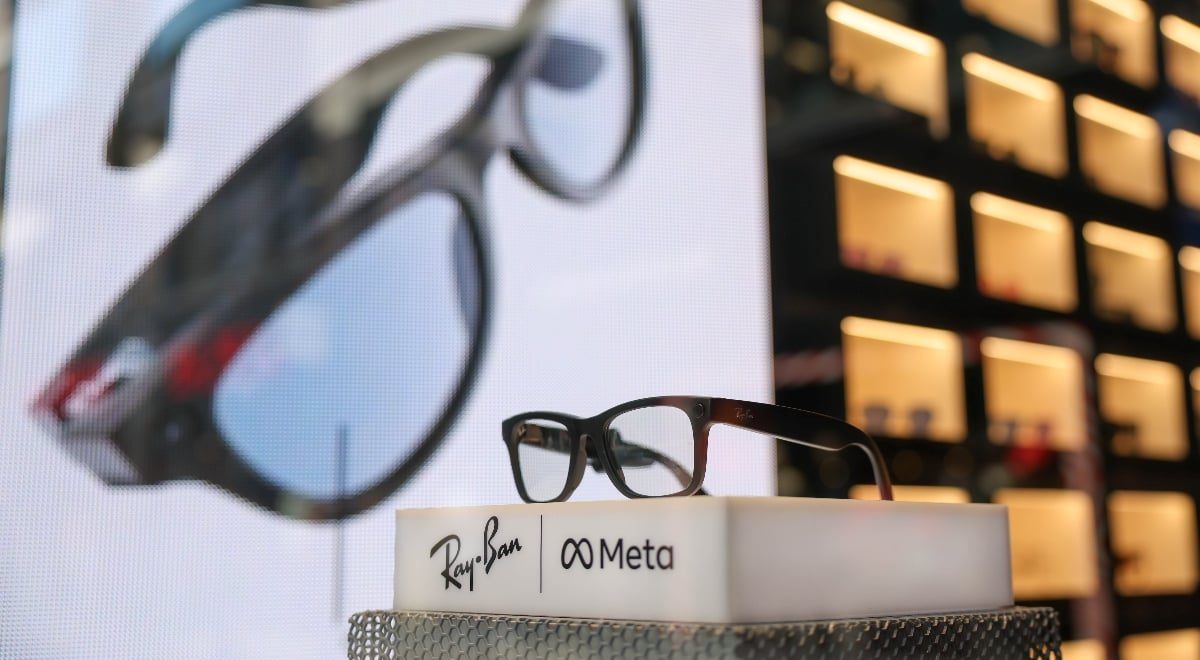
Meta faces class action over smart glasses discount emails
A class action lawsuit accuses Meta Platforms of sending smart glasses promotional emails with urgent subject lines saying deals ended that day, while the same starting price and 25% discount remained available for two more weeks.
Lawsuit claims urgency was manufactured
A class action lawsuit filed by Michael Camilleri accuses Meta Platforms of pressuring consumers with promotional emails for smart glasses that said a discount was ending, even though the same offer remained available. The complaint says subject lines included wording such as Last-chance, ends soon and ends today.
According to the complaint, Meta sent an email with the subject line Ends today: AI glasses from $224. The message offered discounts of up to 25% that were supposed to expire that day. The plaintiff says the deal did not end then, because the company offered the same $224 starting price and 25% discount two weeks later.
Washington statutes cited
The lawsuit alleges that Meta violated Washington's Commercial Electronic Mail Act, known as CEMA, and the state's Consumer Protection Act, known as the CPA. CEMA prohibits commercial emails or texts sent to Washington residents that include false or misleading information in the subject line, and violating CEMA also results in a violation of the CPA, according to the complaint.
The plaintiff argues that the supposed deadline created a sense of urgency and pushed people to buy smart glasses they might not have bought otherwise. A 33-day audit cited in the complaint found that Meta kept the deal running for those two weeks instead of ending it as stated. The complaint says there could be thousands of potential class members seeking statutory damages of $100 per allegedly misleading email.
Glasses already faced privacy backlash
The lawsuit follows wider criticism of Meta smart glasses being used to film people without consent or to harass them. The devices drew the nickname pervert glasses, and the complaint says owners debated whether they were worth using at all.
Some owners removed an LED light meant to show when the glasses were filming. Meta responded with an update that stops camera use when the recording light is covered, although users said that measure might not be effective enough. At Meta Connect 2026, the company also introduced Ray-Ban Meta Audio smart glasses without a camera.
Sources: Cybernews
SiTech — AI-powered web development
We build fast, modern websites and bring AI into real business workflows. Have a project or a question? We'd love to help.