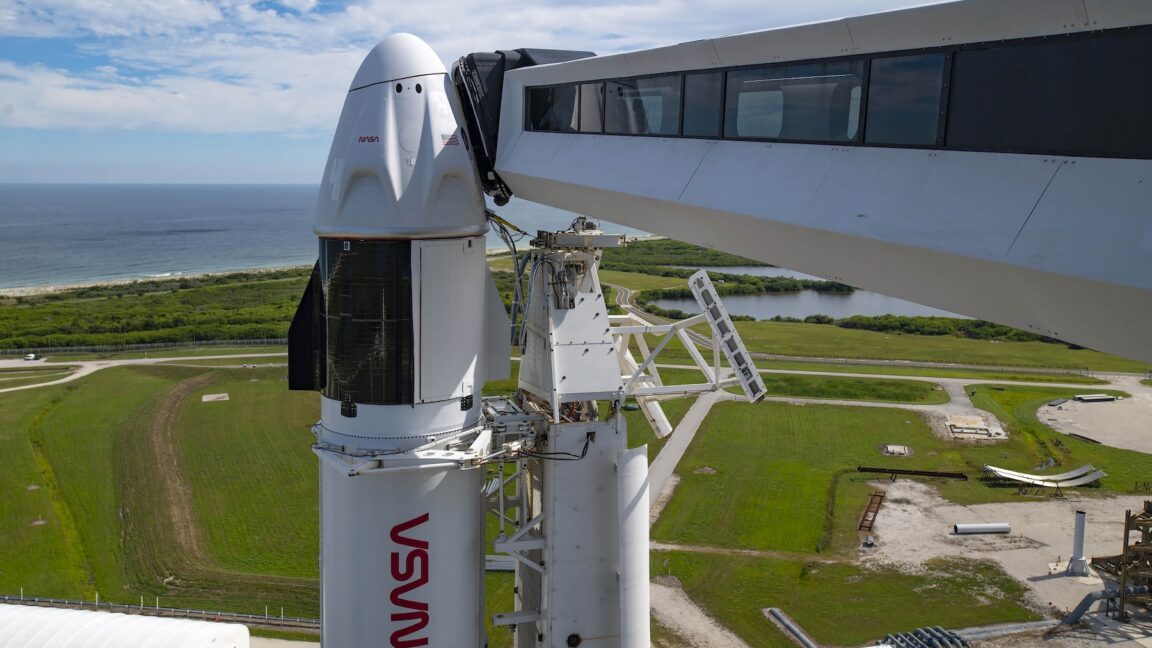
NASA's Dragon dilemma: SpaceX is leaving low-Earth orbit crew flights
SpaceX has told NASA it will stop flying Crew Dragon and Falcon 9 to low-Earth orbit after 2030, leaving Boeing's Starliner as the agency's main option despite its troubled record.
For two decades NASA has tried to foster a commercial economy in low-Earth orbit, largely in service to the International Space Station. That project is now in doubt: SpaceX has told the agency it no longer wants to fly Crew Dragon or Falcon 9 to low-Earth orbit, Ars Technica reports.
SpaceX's decision
SpaceX has agreed to support the ISS through 2030, but plans to retire the spacecraft after that. It has told companies building private space stations, including Axiom Space, Voyager Space, and Vast Space, that they cannot order Crew Dragon missions for their habitats.
NASA invested $3.1 billion in developing and certifying Crew Dragon, but SpaceX was obligated to fly only about half a dozen missions. It has flown 13 missions, will launch another in a few days, and recently agreed to fly through Crew-17.
Why NASA has little leverage
SpaceX now gets most of its revenue from Starlink. In financial filings tied to going public earlier this year, the company said it expects a vast majority of future revenue to come from Starlink and orbital data centers. The "space enabled solutions" category, in which NASA is a small part, made up roughly 1 percent of its total addressable market. NASA needs SpaceX more than SpaceX needs NASA.
Administrator Jared Isaacman acknowledged as much on Monday: "I do not think it's a secret that SpaceX intends to sunset older platforms like Falcon and Dragon as they concentrate on their next-generation capability, Starship." SpaceX has also told NASA it is not interested in developing Starship for crewed launches to Earth orbit for now.
Boeing, Starliner, and seat prices
Boeing, NASA's other Commercial Crew partner, has received $5.1 billion to develop Starliner but has yet to fly a single operational mission. This week NASA said it will invest another $359 million to fix Starliner's propulsion system and certify the Vulcan rocket.
SpaceX's original price was about $55 million per seat on early Dragon flights; it has since risen to $78.8 million. Starliner costs NASA $90 million per seat during the ISS era, and few expect prices to fall once Dragon retires.
Few alternatives
Blue Origin's crewed vehicle is not expected before 2031. Russia's Soyuz is off the table for private stations after the invasion of Ukraine, and India's Gaganyaan has slipped to at least 2027.
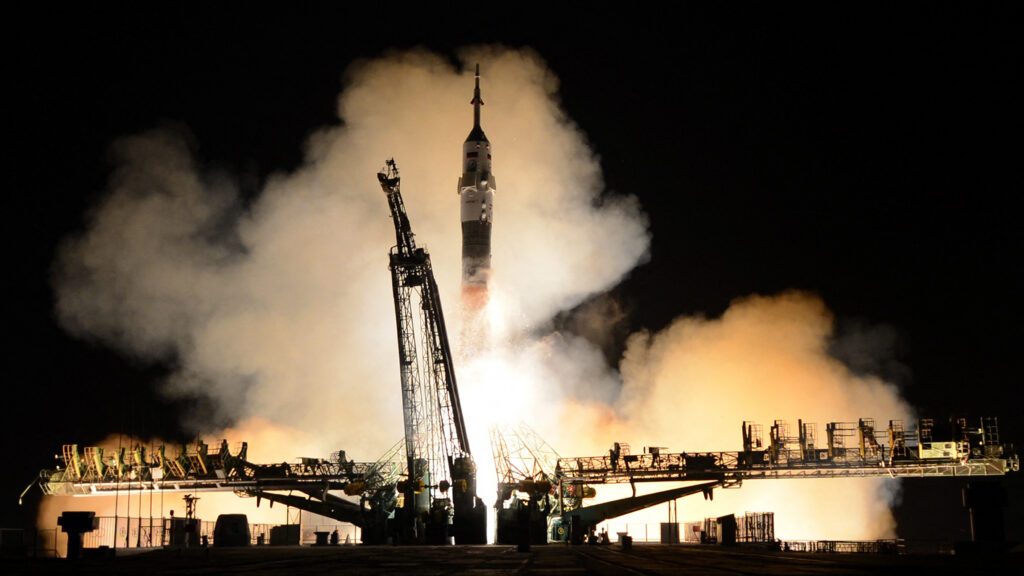
The only real hope for a much lower price is Starship, but the evidence suggests SpaceX will not prioritize crewed ascent soon. SpaceX is a business, and focusing on Starship is logical. NASA now seems to be betting on Starliner for guaranteed access, even as a broad low-Earth orbit economy looks harder to sustain.
SiTech — AI-powered web development
We build fast, modern websites and bring AI into real business workflows. Have a project or a question? We'd love to help.