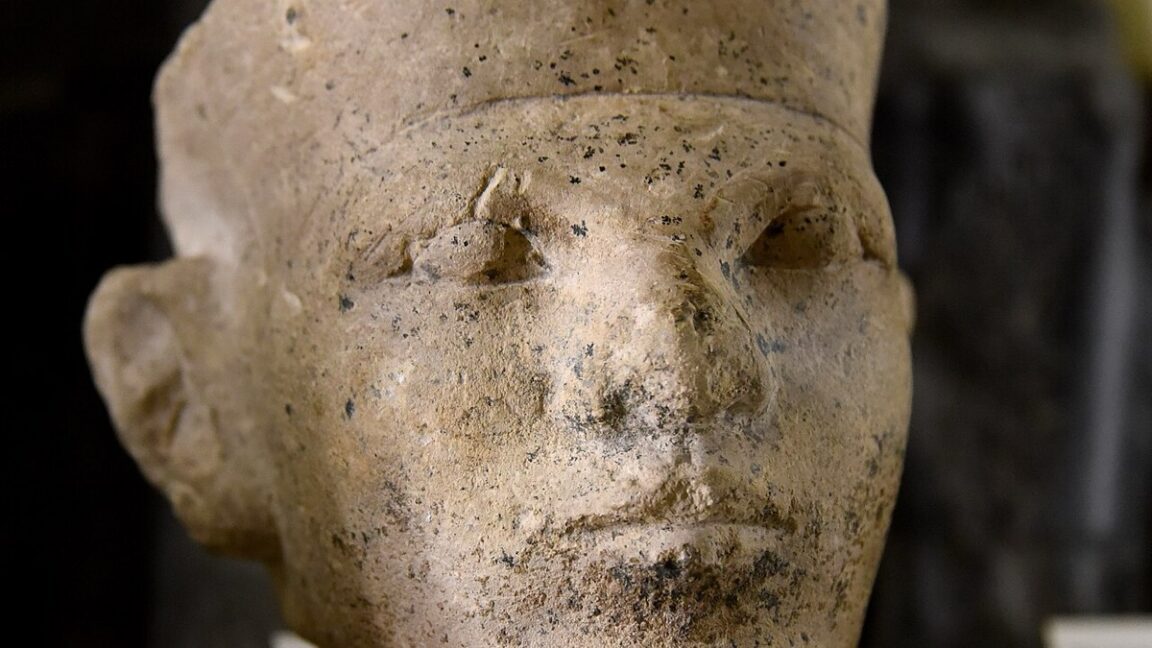
Forensic evidence supports possible retainer sacrifice in early Egypt
A reanalysis of 46 skulls excavated at Abydos found blunt force trauma in 18, suggesting that some people buried near First Dynasty rulers may have been victims of retainer sacrifice.
Evidence from Abydos
Egyptologists have long debated whether rulers of Egypt's First Dynasty were buried with servants and officials who were killed to serve them in the afterlife. A new paper in Frontiers in Environmental Archaeology reexamined skulls excavated from tombs in the 1920s and found signs consistent with possible retainer sacrifice. The evidence remains suggestive rather than conclusive because many early tombs were plundered or excavated hastily.
Roselyn Campbell, a bioarchaeologist at Purdue University, examined 46 crania stored at Cambridge University. Linear fractures indicating blunt force trauma were present in 18 skulls, or about 39 percent. Such injuries could have caused unconsciousness, internal bleeding and likely death. Some skulls also showed sharp force trauma, including evidence of chopping near one eye.
A difficult archaeological record
The collection was excavated by Flinders Petrie in the 1920s from the Umm el-Qaab cemetery at Abydos in southern Egypt. Its subsidiary burials are presumed to contain retainers of First Dynasty rulers. Grave markers recorded lower and mid-level officials and artisans. The large number of subsidiary graves, many apparently filled and sealed at once, may provide the strongest evidence for retainer sacrifice in Egypt.
Petrie recorded and photographed the graves and brought medical doctors to examine the remains. He coated the skulls in paraffin for preservation and shipped them to England. He also measured long bones from 96 people before reburying them together in a pit. The incomplete and mixed collection makes modern analysis more difficult. Without pelvic bones, biological sex cannot be established conclusively from the crania alone.
Petrie did not record fatal trauma, but Campbell said he was a careful observer who lacked modern forensic knowledge. She also emphasized the need to examine the collection in light of the racist and colonial theories that shaped early Egyptian archaeology. Petrie was a proponent of dynastic race theory, she said.
Possible weapons and context
The linear fractures differed from the depressed fractures associated with maces. Campbell said a flat, wide and relatively light weapon was more likely, adding that a board, sandbag or wooden club were possibilities. She stressed that the exact weapon cannot be identified from the injuries.
Campbell said retainer sacrifice may have helped rulers display control over life and death while placing officials and servants in the afterlife. She noted that First Dynasty communities inherited older traditions of stratified societies along the Nile. Its scale was unusual, but killing hundreds of people every 20 to 40 years would have been economically costly, and the practice faded quickly.
SiTech — AI-powered web development
We build fast, modern websites and bring AI into real business workflows. Have a project or a question? We'd love to help.