Chinese linked rental cars recorded Norwegian military exercise footage
Norwegian media report that cars leased from Hertz Norway, owned by Volvo Cars and Geely, contained dashcam footage of soldiers, a secret exercise and gate codes. Experts call it a real risk, not proof of Chinese espionage.
Recordings found in leased cars
Norwegian outlet DN reported that the Norwegian Armed Forces used leased cars containing recordings of Home Guard soldiers, a 'secret exercise' and military gate codes. The vehicles were rented from Hertz Norge, also called First Rent A Car Norway AS, an operator owned by Volvo Cars, which is part of the Chinese automotive conglomerate Geely.
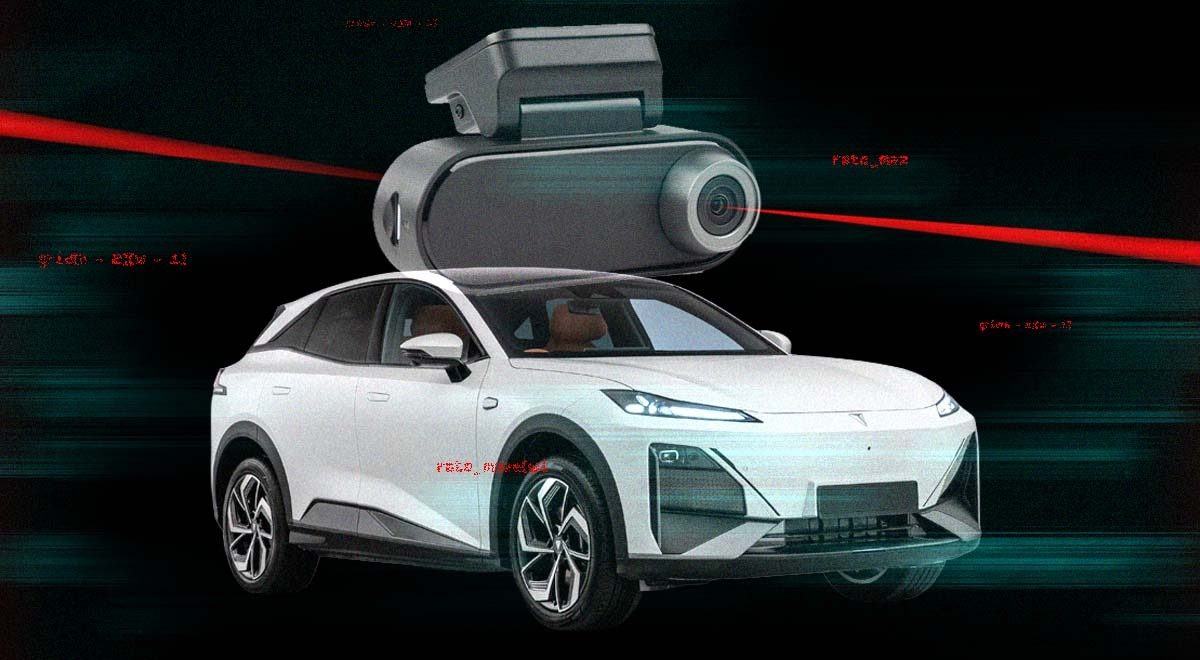
Lieutenant Fredrik Blanck said the footage shows who gets in and out of the car, who is driving and where, who the passengers are and how long the car stays at each location. At least two of the cars were Deepal models, made by Chinese state owned automaker Changan Automobile, and they were used in the Operation Capital exercise in September because of limited availability of alternative vehicles.
Ownership links drew attention
The case raised questions about data and operational security in the Norwegian Armed Forces and about military use of civilian technologies. It is not known whether the data ever left the vehicles. Reports did not identify the exact Deepal model, while a built in 360 degree dash camera is a commonly advertised feature across the lineup.
Volvo Cars told Norwegian media that Chinese ownership does not involve a security risk and that no data can be shared with Geely without a legal basis. Critics countered that Beijing has surveillance laws requiring companies to assist state intelligence efforts, and Norway's National Threat Assessment 2026 said Chinese intelligence and security agencies had expanded their capacity to operate in Norway, including in cyberspace and through human intelligence sources.
Experts see risk, not proof
Cybersecurity experts said the incident shows real vulnerabilities in Norwegian military practice, but the brand and ownership structure alone do not prove deliberate espionage. Nearly all modern connected cars collect sensitive information through cameras, GPS, microphones and other sensors, and often share it with multiple third parties.
Norway's National Security Authority warned in last year's risk assessment that modern cars contain more than 200 electronic sensors, and Israel banned Chinese vehicles from military bases last year. The debate also extends to consumers, who may not be comfortable with vehicles recording audio and video and sending the data to remote servers.
Sources: Cybernews
SiTech — AI-powered web development
We build fast, modern websites and bring AI into real business workflows. Have a project or a question? We'd love to help.