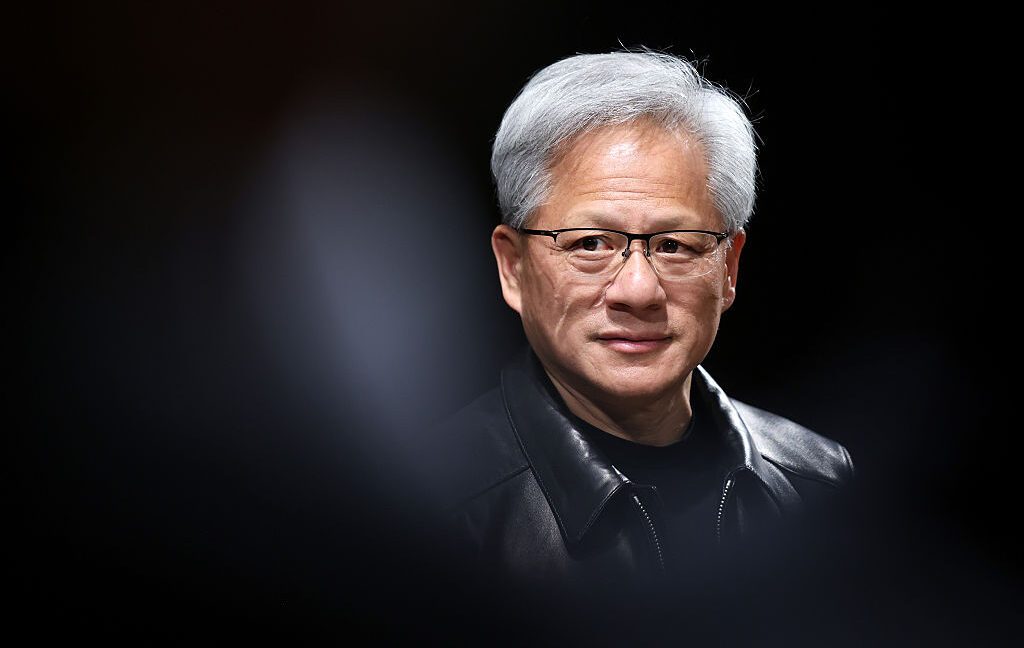
Congress asks Nvidia CEO Jensen Huang to brief committees over Chinese espionage concerns
Republican lawmakers asked Nvidia CEO Jensen Huang to appear before a joint closed-door briefing on November 18 after reports that US intelligence officials believe he was targeted by a Chinese spying operation. Nvidia rejected the claims.
Top Republican lawmakers asked Nvidia CEO Jensen Huang to appear before a joint closed-door briefing for House committees on November 18. The request followed a report that US intelligence officials believe Huang was targeted by a Chinese spying operation. Nvidia rejected the claims and did not say whether Huang would attend.
Lawmakers seek briefing
The chairs of the House committees on China, foreign affairs, and intelligence wrote to Huang this week. Representatives John Moolenaar, Brian Mast, and Rick Crawford said recent reports raise significant national security concerns about China's access to sensitive US technology. They said the issue is central to their committees' investigative work and that Congress must determine the extent to which US national security has been placed at risk.
Nvidia response
Nvidia said meetings with customers are part of a CEO's job and that Jensen talks with thousands of customer executives every year. The company said regional cloud customers receive ordinary business information, not sensitive Nvidia trade secrets, and zero information relevant to national security. It said its chief executive has an outstanding security team that travels with him.
Megaspeed and supply chain
The concerns center on Alice Huang, an executive at Megaspeed, a Singapore-based cloud company that has bought billions of dollars of Nvidia's chips. The US has previously scrutinized Megaspeed, founded in 2023 as a spin-off from a Chinese gaming company, for potential chip smuggling, although no charges followed. Nvidia launched unannounced on-site inspections at Megaspeed in Singapore when it became aware of US concerns, but the internal probe found no evidence of its chips being diverted into China, said people familiar with the matter.
Security and export controls
The lawmakers said they wanted Huang to discuss security protocols Nvidia had in place to protect against foreign adversary espionage. The New York Times said Huang had not received a defensive briefing, which the intelligence community usually, but not always, provides potential espionage targets. Nvidia said it was confident the US government would have let the company know if it thought a person was a threat to US industry and that it often receives updates from Washington about people of concern. Earlier this year Wally Liaw, a co-founder of Supermicro, one of Nvidia's key supply chain partners, was arrested in the US and charged with smuggling Nvidia chips into China. He denies any wrongdoing and has pleaded not guilty.
Sources: Ars Technica
SiTech — AI-powered web development
We build fast, modern websites and bring AI into real business workflows. Have a project or a question? We'd love to help.