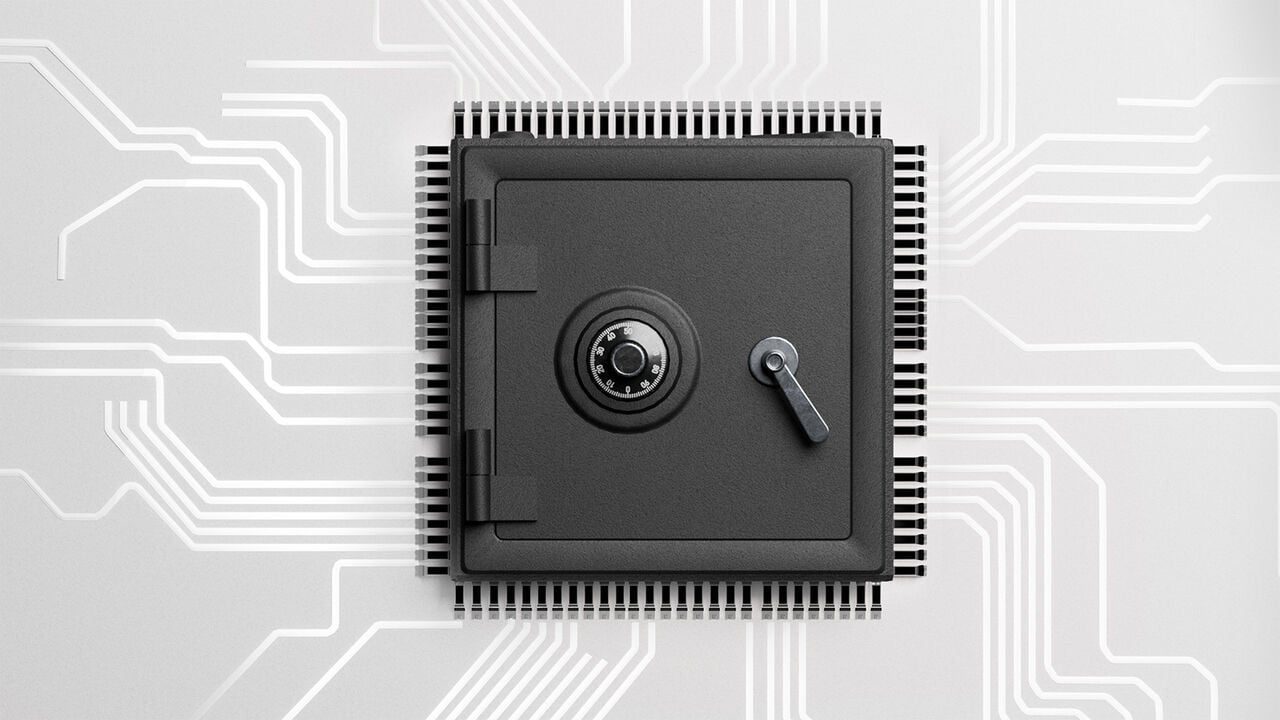
“Nvidia is the central bank of AI”: how the chip giant now finances its own demand
Nvidia is the world’s most valuable company — and increasingly the AI industry’s financier too, with backstops, guarantees and equity stakes that run into hundreds of billions of dollars.
A $5.4trn company financing its own demand
Nvidia is now the world’s most valuable company, worth around $5.4trn. It took thirty years to reach a $1trn valuation, nine more months to touch $2trn, and less than two further years to pass $5trn; sales are expected almost to double next year.
Chipmaking alone no longer explains that growth. In mid-August the firm agreed a backstop worth up to $105bn for a giant data centre in Ohio that will use huge numbers of its chips. A week earlier it said it would mobilise more than $500bn of AI-infrastructure investment with six big Wall Street firms, underwriting up to a quarter of the cost of some deals.
Customers are becoming rivals
Part of the motive is that Nvidia’s biggest customers are turning into competitors. Hyperscalers such as Amazon, Google, Meta and Microsoft supply roughly half of its revenue and plan to invest around $800bn this year — but most now design their own chips, which cost a fifth to a third as much. Bloomberg Intelligence expects custom silicon to reach about half the AI processor market by the end of the decade, from roughly 40% this year.
Credit is a further pressure point. Hyperscalers hold investment-grade ratings and borrow cheaply; neoclouds do not. Alphabet sold $2.75bn of 50-year bonds in November at 5.7%, while CoreWeave’s July borrowing cost almost double.
Backstops, floors and equity stakes
Over three years Nvidia has pledged more than $70bn in startup investments and offered $300bn of support to customers — a role that earned it the nickname “the central bank of AI”. Its neocloud programme pays a set price for compute for up to six years and shares the upside; Sharon AI expects to deploy around 40,000 chips behind a $4.9bn floor.
The Ohio project is owned by SB Energy, a SoftBank unit, with OpenAI as the tenant: Nvidia guarantees the lease and the power-purchase contract, and the site will use 1.5m of its processors. Anthropic has reportedly signed a $35bn deal to rent capacity from Lambda, a neocloud in which Nvidia holds a stake.
The assumptions, and the exposure
The web rests on two beliefs: that Nvidia’s chips hold their value, and that demand for compute keeps growing fast. Sceptics such as Michael Burry question how cloud providers depreciate hardware; older chips are still wanted — A100s are contracted into 2029 — and SemiAnalysis puts an H100 rental at about $2.80 an hour, a tenth below its early-2023 launch price.
Potential obligations to customers total about $300bn, off balance-sheet until a downturn, including $105bn for the OpenAI site. Morgan Stanley expects all-in debt to rise from $53bn early next year to $200bn by early 2029, against $99bn in cash and liquid securities.
Still, the more of this boom Nvidia finances, the more of any bust it will have to bear.
SiTech — AI-powered web development
We build fast, modern websites and bring AI into real business workflows. Have a project or a question? We'd love to help.