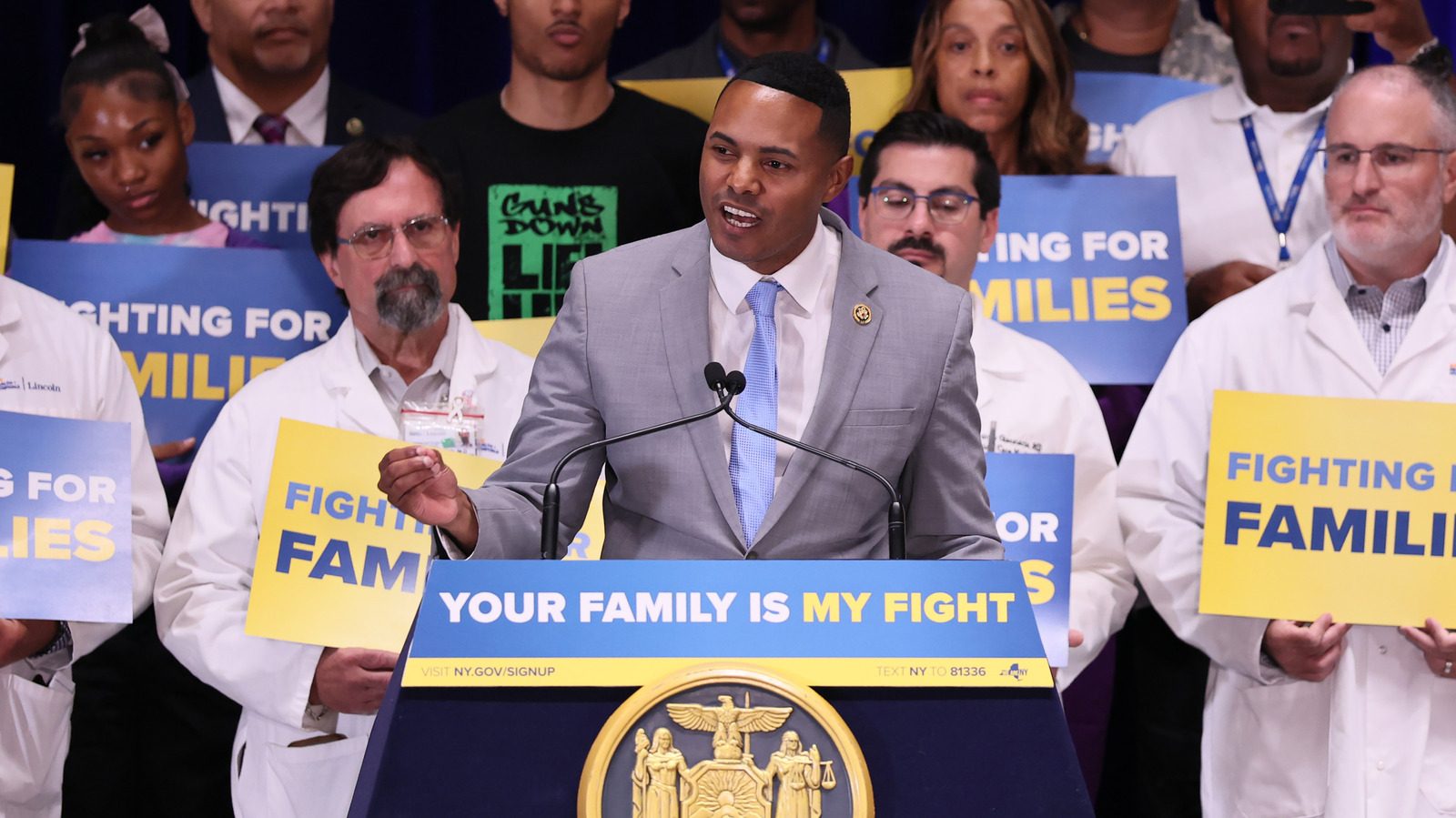
Ritchie Torres to Introduce Bill on Video Game Ownership
Representative Ritchie Torres plans to introduce the Power to the Players Act, asking the FTC to protect purchased games from server shutdowns and license revocation.
What the bill would do
Democratic Representative Ritchie Torres of New York plans to introduce the Power to the Players Act, legislation that would call on the Federal Trade Commission to protect a person's ability to own and play the video games they have purchased. Torres announced the proposal but has not introduced it in Congress.
The bill would direct the FTC to move away from the current digital license model by ensuring players own games rather than license them. It would also require companies to offer an offline mode when a game's online servers are taken down. Torres said in a Kotaku interview that enforcing these protections would restore a historical norm from before games were primarily sold digitally, and he suggested similar protections could later be sought for digitally purchased books, movies and music.
Why NBA 2K25 is cited
The announcement points to NBA 2K25 as an example of what is at stake. The basketball game launched in 2024 for $70 and is set to be removed from digital storefronts on October 30, about two years after release. 2K's plan to shut down the servers supporting its online modes in December means paying players would not keep access to the same full game by the end of the year.
Torres's proposal aligns in spirit with the Stop Killing Games campaign, a movement that lobbies for game ownership protections in a market dominated by digital software licenses that can be revoked at a moment's notice. Delisting games is not new, but removing a purchased title from storefronts while also ending the online servers central to its value is the combination the bill targets.
Political and legal hurdles
The proposal faces several obstacles. Torres's bill could die in committee, the same fate that met a California bill offering similar state level protections in June.
Reliance on the FTC is also less secure than it once was. After the 2024 Supreme Court decision overturning Chevron deference, courts no longer have to defer to federal agency interpretations of ambiguous legislation in the same way. Under that approach, one judge could block FTC rules for the game industry the same way the agency's noncompete ban was blocked by a judge who found it lacked authority.
Sources: Engadget
SiTech — AI-powered web development
We build fast, modern websites and bring AI into real business workflows. Have a project or a question? We'd love to help.