Samsung, SK hynix and Micron reportedly work on common robot charging standards for chip fabs
Samsung, SK hynix and Micron are reportedly working together on common charging standards for mobile robots in chip fabs, aiming to reduce costs and support broader factory automation.
Samsung Electronics, SK hynix and Micron are reportedly working together to develop common charging standards for mobile robots used in semiconductor fabrication plants. Representatives from the three companies have reportedly formed an early-stage consultative body, alongside SEMI, to lead the effort. The aim is to let robots from different manufacturers share charging equipment and reduce the cost and complexity of large robotic fleets.
Why robot charging is becoming a problem
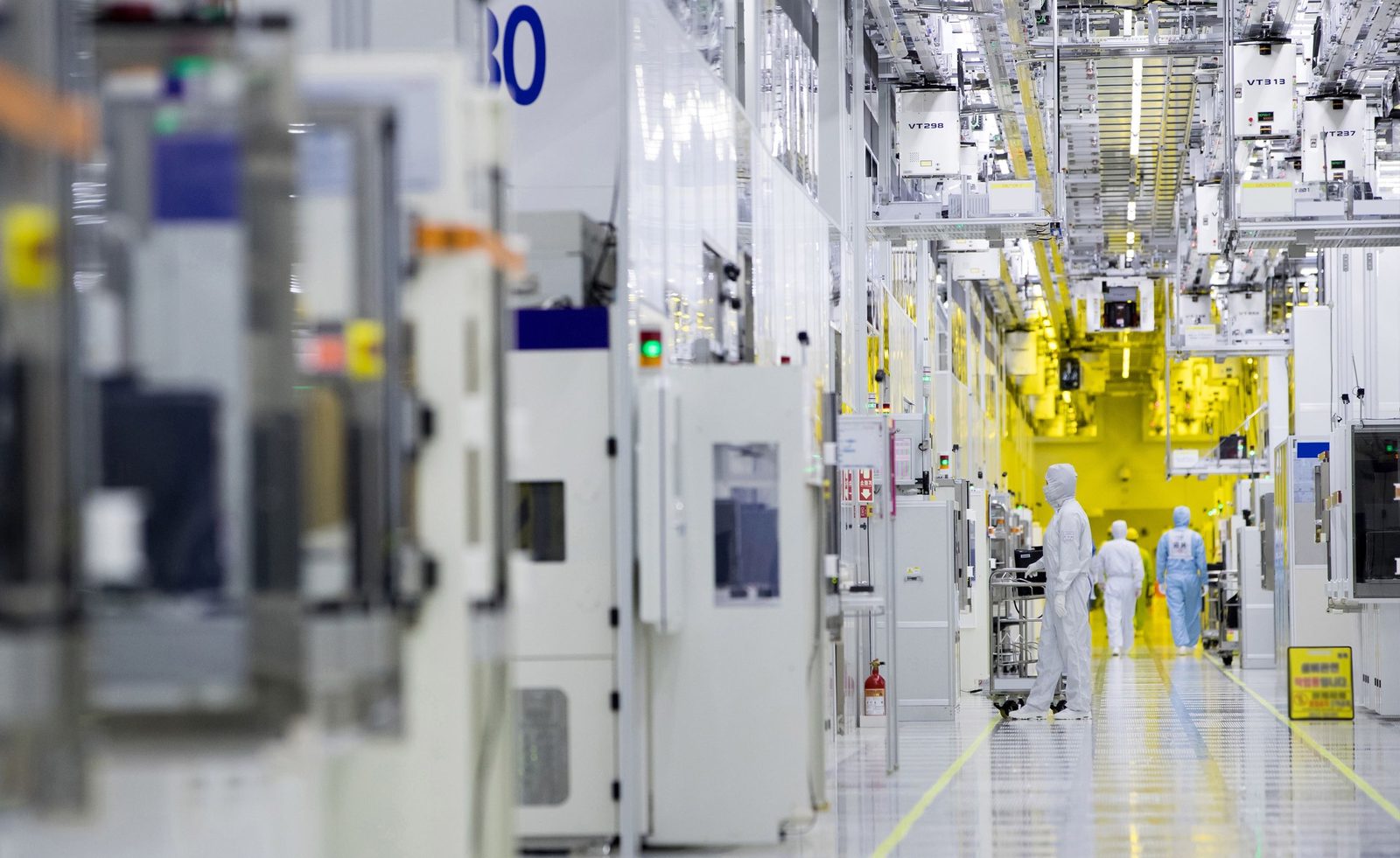
Soaring demand for semiconductor memory chips used in AI infrastructure has driven manufacturers to automate as many production processes as possible in existing facilities while building additional fabs. Modern fabs already have extensive automation, but they still require human workers for tasks such as moving materials between floors and unpacking products. Older fabs rely more on manual carts. Mobile robots could take over these tasks, but different models often have their own batteries and charging infrastructure, which can require separate charging stations and consume valuable floor space.
What the proposed standard would cover
The alliance is considering battery specifications for different mobile robots, charging station equipment and communication protocols, charging connectors and battery management systems. The initial objective is charging compatibility across robot models, giving fabs more flexibility when purchasing equipment. A later step would integrate robot charging data with the fab's manufacturing execution system, using battery charge levels, robot availability and production schedules to coordinate charging and operations.
Why rivals are collaborating now
Semiconductor industry participants first explored common robotics standards about a decade ago, but discussions made little progress until recently. Renewed momentum is attributed to the semiconductor boom and rapid advances in industrial robotics. Unprecedented demand for AI-related memory products and record financial performance have given manufacturers both incentive and resources to invest more in automation. New fabs take years to build, so companies are also trying to raise capacity from existing facilities.
Broader implications
Together, Samsung, SK hynix and Micron control almost the entire global DRAM market and operate extensive manufacturing networks. A common specification backed by all three could give robotics manufacturers a strong commercial incentive to develop compatible products. Although the project remains in its early stages, it could support broader standardization across semiconductor manufacturing and industrial robotics. Both SK hynix and Samsung have outlined plans to develop an autonomous semiconductor fab by 2030.
Sources: Tom's Hardware
SiTech — AI-powered web development
We build fast, modern websites and bring AI into real business workflows. Have a project or a question? We'd love to help.