Saudi Arabia's new Exobot EVs make the Cybertruck look normal
Saudi startup Ceer has unveiled the Exobot sedan and SUV, two hyper-angular EVs with gullwing doors. Sales in Saudi Arabia are expected from 2027, with five more models planned by 2030.
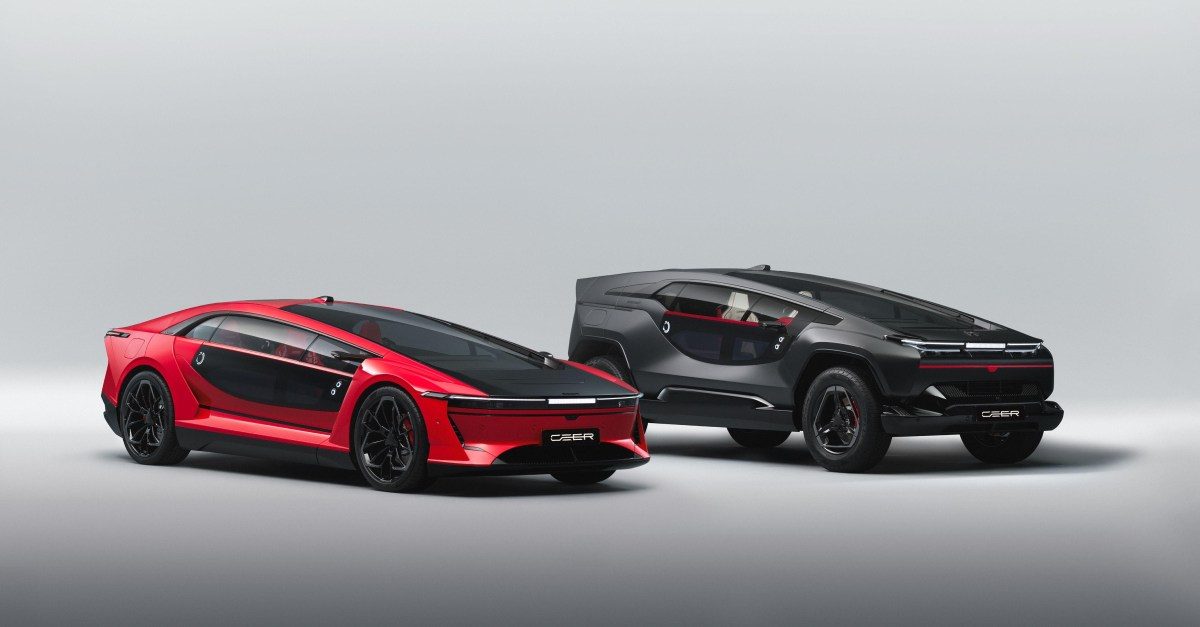
Saudi startup Ceer has unveiled the Exobot, a sedan and an SUV with hyper-angular, spaceship-like styling. They are the first vehicles from a company that wants to build an automotive industry in a country better known for oil than for cars.
Two models, plans through 2030
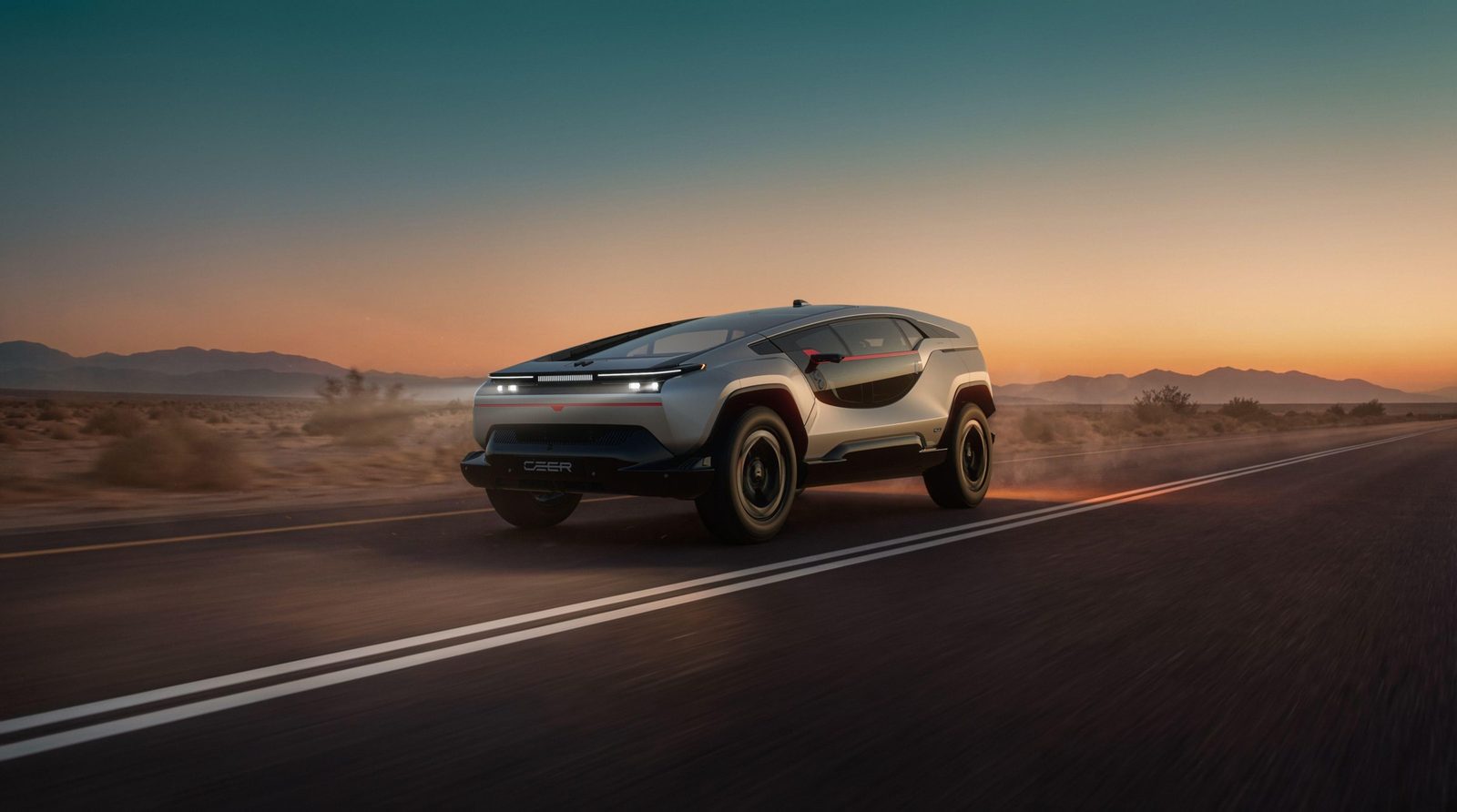
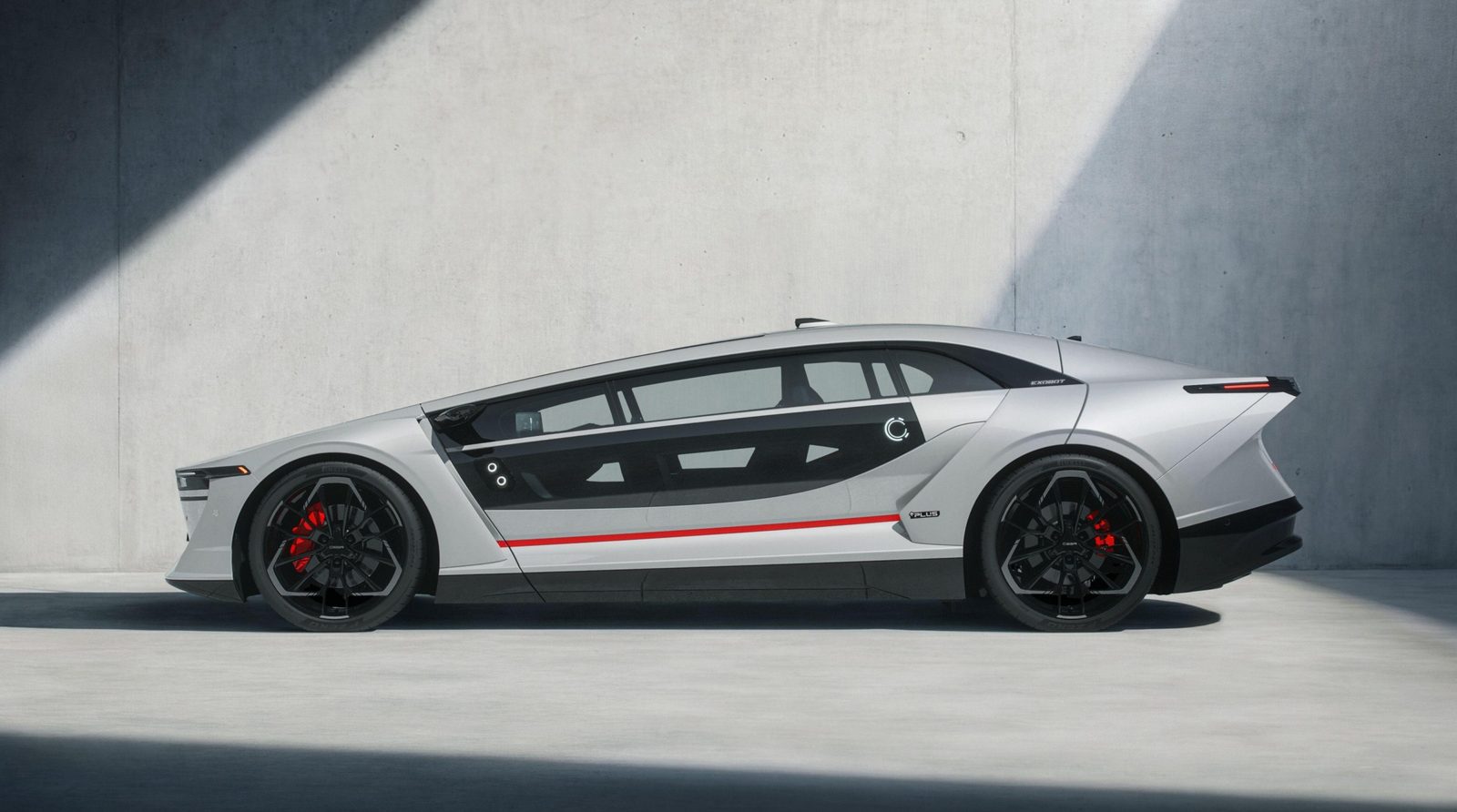
The Exobot sedan and SUV are expected to go on sale in Saudi Arabia starting in 2027, and Ceer plans to add five more models by 2030. The sedan has low-slung supercar proportions: a steeply raked windshield flows into the hood, while a razor-thin, full-width LED light bar sits under a sharp, forward-jutting nose. The SUV takes a blockier, military-meets-cyberpunk stance with high ground clearance, aggressive angles and a flat roofline. Both use gullwing doors, a layout popularised by the Tesla Model X.
Gallery images also show interiors built around a wide "digital horizon" display and a yoke-style steering wheel, along with a signature wall charger.
Who is behind Ceer
Ceer is a joint venture between Saudi Arabia's PIF sovereign wealth fund and Foxconn, the Taiwanese manufacturer best known for building the iPhone for Apple. It is funded by the kingdom's oil wealth, but its purpose is a lineup of vehicles that run on electricity.
Design was led by Rob Melville, McLaren's former design director. According to Autocar, Crown Prince Mohammed bin Salman had the final say on the design. Ceer's CEO is Jim DeLuca, who spent 37 years at General Motors and finished there as executive vice president for global manufacturing. "We wanted to make sure the world could see what Saudi Arabia is capable of," DeLuca told Reuters.
A difficult market to enter
Saudi automotive projects have a mixed record. A plan to build a Jaguar-Land Rover factory in the kingdom more than a decade ago came to nothing, and Toyota declined a deal with the Saudis in 2019. PIF holds a controlling stake in California-based Lucid Motors, which is now building a manufacturing facility in King Abdullah Economic City. Ceer is taking a diversified approach: the first models are electric, with hybrid and combustion-engine vehicles to follow depending on market demand.
Starting a car company from scratch remains daunting. Fisker, Lordstown and Arrival all went bankrupt, and even Lucid, with PIF's backing, is still struggling. Whether Ceer breaks that pattern will only be clear in 2027, when the first cars reach customers.
SiTech — AI-powered web development
We build fast, modern websites and bring AI into real business workflows. Have a project or a question? We'd love to help.