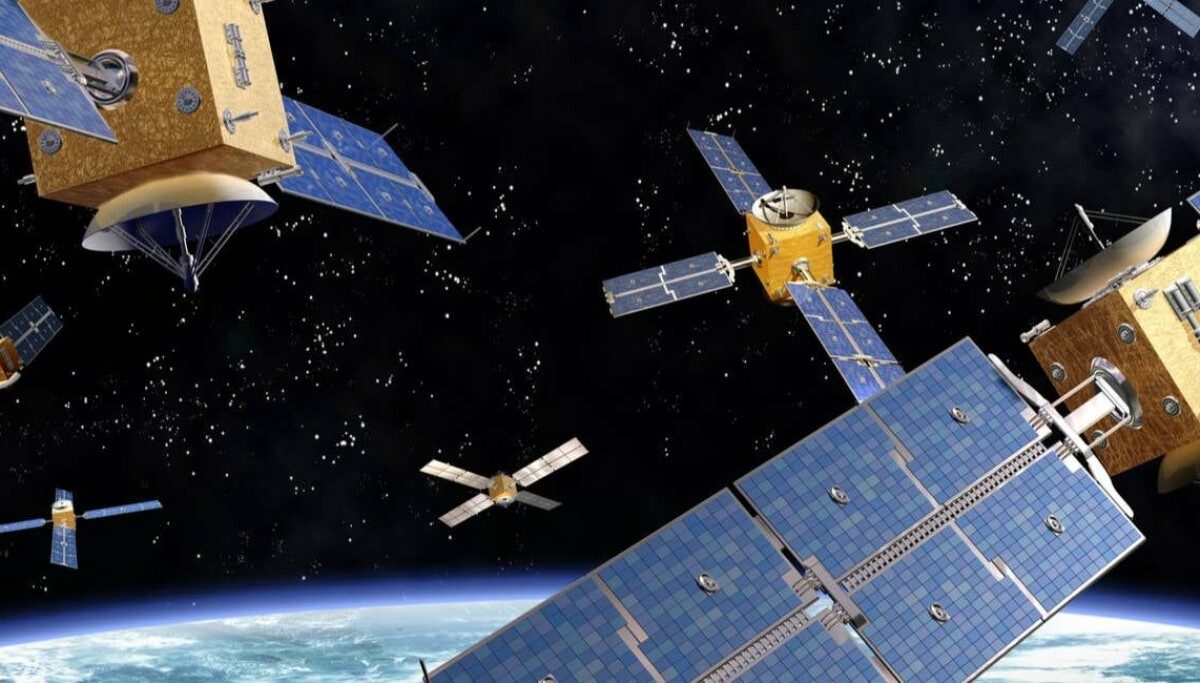
UK's RAF launches first space squadron to protect satellites
Britain's Royal Air Force has stood up No. III Space Effects Squadron, its first unit dedicated to countering hostile threats to satellites in orbit. The MoD says it will use electronic warfare to disrupt, degrade and deny enemy activity in space.
Britain’s Royal Air Force has launched its first unit dedicated to countering hostile threats to satellites in orbit. No. III Space Effects Squadron was announced on 23 September 2026 by Air Chief Marshal Sir Harv Smyth at the first UK Space Power Conference in London, the Ministry of Defence said. The squadron will protect the satellites the UK relies on for communications and navigation.
From watching threats to acting on them
Two existing units, No. I Space Operations Squadron and No. II Space Warning Squadron, already allow the RAF to watch for and warn about threats in space. The MoD says the new squadron will act against those threats, using advanced technology, including electronic warfare, to “disrupt, degrade and deny” hostile actions. It will support offensive and defensive space operations and is expected to grow as new capabilities enter service.
Details remain classified; the MoD told The Register that little more can be said publicly. Because the UK has ruled out destructive anti-satellite missile testing, the unit will probably rely on ground-based jamming, the outlet reported.
Jamming, lasers and orbital debris
UK Space Command said last year that Russia was attempting to jam British military satellites on a regular basis. Four countries are known to have tested anti-satellite missiles: the US, Russia, China and India. In 2021, Russia destroyed one of its own defunct satellites in orbit, endangering the International Space Station, which also had to manoeuvre that year to avoid debris from an earlier Chinese test. In 2022, the UN passed a US-led resolution urging countries to refrain from such tests.
Why satellites matter
Satellites support intelligence gathering, missile warning, telecommunications and weather forecasts. Emergency services depend on satellite navigation, and energy networks use the precise timing signals in those systems to synchronise power grids.
Defence Secretary Wes Streeting told the conference that Britain must “keep pace in the new space race,” saying this century will depend on control of space. The government’s Space Strategy, published this month, allocates £7.8 billion to the space sector up to 2030, including £880 million for space-based intelligence and space control. The move follows the US, which said in September it had deployed weapons in space for the first time; China’s foreign ministry responded that Washington was “preparing for war in outer space.”
SiTech — AI-powered web development
We build fast, modern websites and bring AI into real business workflows. Have a project or a question? We'd love to help.