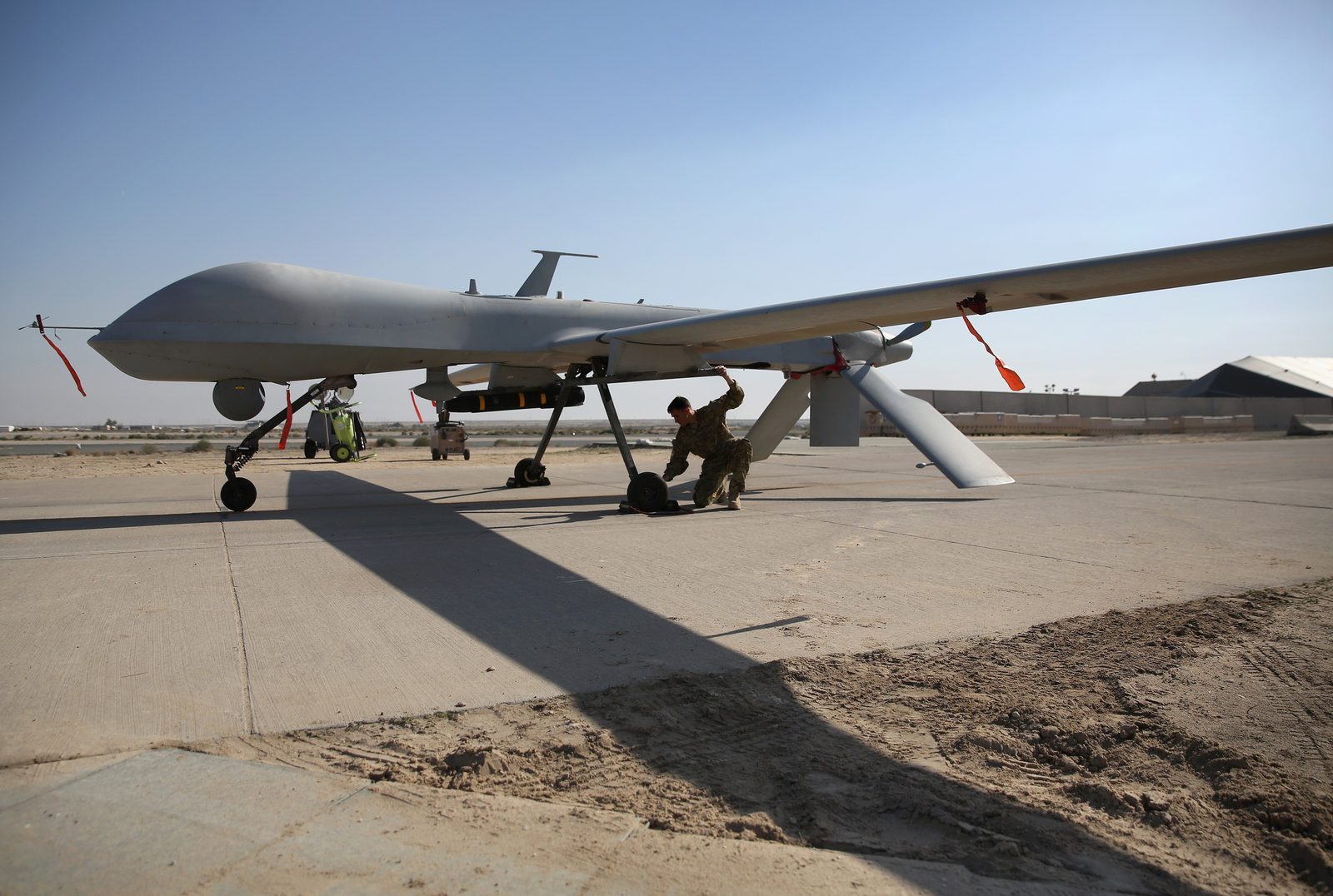
UN fails to agree on rules regulating 'killer robots'
UN diplomats in Geneva agreed to start discussing options for rules on autonomous weapons after a largely fruitless week, with binding rules delayed and some guidelines possibly optional.
UN diplomats meeting in Geneva this week failed to agree on rules for autonomous weapons, often called "killer robots," after a largely fruitless week of negotiations. Representatives instead agreed to "start discussing options." Before negotiations began, the International Committee of the Red Cross had urged legally binding rules within a year, a call backed by the UN secretary-general and Pope Leo, but countries agreed to a two-year window to propose regulations.
Rules may remain optional
Negotiations over which regulations to adopt and how to enforce them will likely drag on well beyond that two-year period. In addition, room was left for some of those yet-to-be-adopted regulations to remain "optional."
Objections and civilian harm
Humanitarian organizations and some countries see an urgent need to adopt legally binding rules, as semi-autonomous weapons and drones have been responsible for a significant number of civilian deaths in conflicts around the globe, including in Ukraine, Gaza, and Sudan. According to NPR, Russia, Israel, and the US were the primary obstructions: Russia delayed proceedings on day one by objecting to the meeting's agenda, and the United States proposed a five-year window to discuss nonbinding, optional guidelines for autonomous weapons.
Sources: The Verge
SiTech — AI-powered web development
We build fast, modern websites and bring AI into real business workflows. Have a project or a question? We'd love to help.