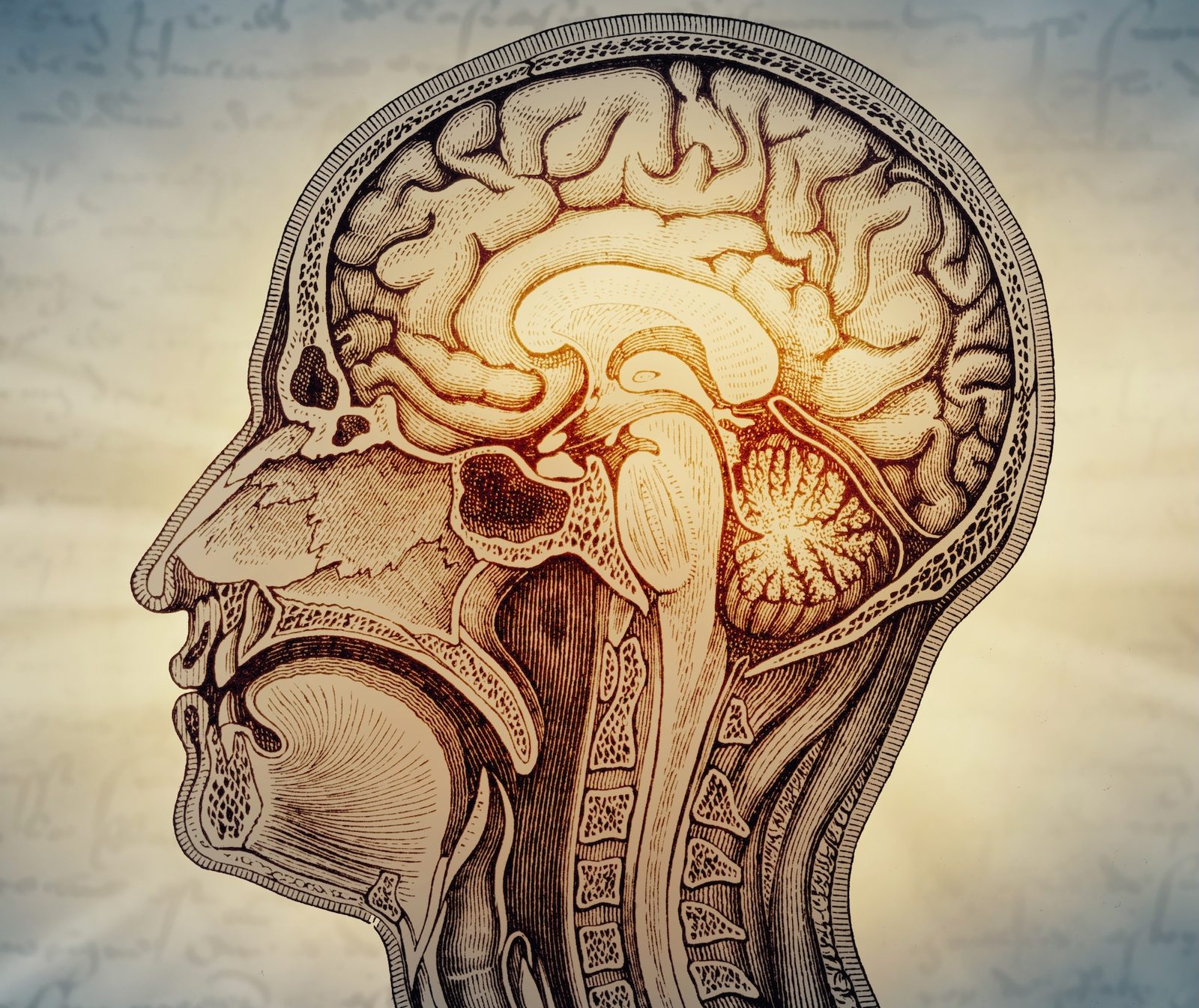
Stanford Medicine study finds the human brain is two separate organs
Research led by Stanford Medicine shows the forebrain and hindbrain arise from two different progenitor cells that never mix, overturning the single-origin model of brain development. The findings appeared in Nature Neuroscience.
For more than a century the brain has been taught as a single, unified organ. Research led by Stanford Medicine now argues it is better understood as two: a primitive nervous system that keeps the heart beating and the lungs working, and a second system capable of language, mathematics and wonder about its own origins. The findings were published in Nature Neuroscience on Sept. 18.
Two progenitor cells, not one
The prevailing model held that a single progenitor cell at the start of development gives rise to the entire brain. Working with developing mouse embryos, graduate students Carolyn Dundes and Rayyan Jokhai instead identified two separate populations. Cells expressing the gene Otx2 are destined to become the forebrain and midbrain; those expressing Gbx2 are committed to the hindbrain. The two groups never overlap — they are mutually exclusive from the earliest stages of development, during a phase called gastrulation.
Examining chromatin, the packaging that determines which genes a cell can reach, the team found the anterior and posterior neural ectoderm carry fundamentally different configurations. Those differences lock each progenitor into its fate, like travellers on parallel tracks that never cross.
Hindbrain neurons in a dish
The practical consequence is significant. Decades of attempts to grow hindbrain neurons in the laboratory had failed because researchers were trying to coax forebrain and midbrain progenitors into cells they are fundamentally unable to become. With the new map, the team turned human pluripotent stem cells into functional hindbrain motor neurons that fired action potentials and produced proteins marking the segments that control facial and swallowing muscles.
"We've shown for the first time that the front of the brain arises from a totally different progenitor cell than the back of the brain," said Kyle Loh, PhD, associate professor of developmental biology and the study's senior author.
Why it matters
The hindbrain governs breathing, sleep, heartbeat and hunger, and its motor neurons decline in spinal muscular atrophy (SMA), a leading genetic cause of death in children under one year of age, and in ALS, usually diagnosed between the ages of 40 and 70. Brain stem tissue cannot be sampled from living patients, so lab-grown neurons offer researchers a model they previously lacked.
The same two-origin pattern appeared in chickens, zebrafish and acorn worms, small creatures on the ocean floor that share a distant ancestor with humans. Jellyfish, which diverged from our lineage 600 to 700 million years ago, carry two nervous systems at opposite ends of the body. Caltech and UCSF researchers contributed to the study.
SiTech — AI-powered web development
We build fast, modern websites and bring AI into real business workflows. Have a project or a question? We'd love to help.