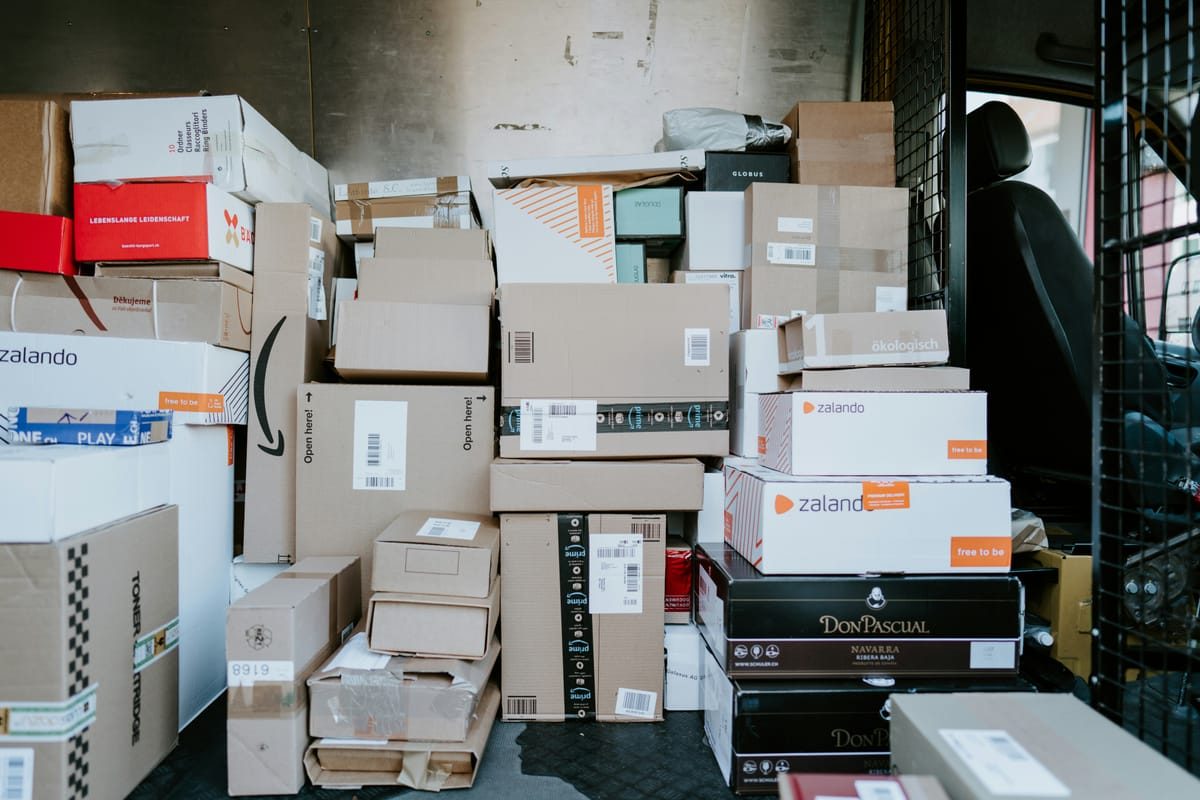
EU Ends Duty-Free Shipping Under EUR150, Squeezing U.S. Small Sellers
Since July 1, 2026, EU-bound consignments worth under 150 euros carry a 3-euro customs fee per line. Publisher Glenn Fleishman explains why the added cost and paperwork make selling to European customers unaffordable for small U.S. businesses.
The European Union no longer lets low-value shipments enter customs-free. Consignments worth under 150 euros now carry a 3-euro customs fee for every line on the customs form, and the tax and paperwork around it have made selling to EU customers uneconomical for many small American businesses. Publisher Glenn Fleishman set out the effect on his own book and game sales in a post on his blog, glog.glennf.com.
What changed
The EU ended de minimis treatment - the practice of waving through packages too cheap to justify the cost of collecting duty. A parcel holding a book, a board game and a set of dice now faces three separate fees. The measure is temporary for two years; a value-based customs duty will replace it. Sellers who do not pay in advance may see the package returned - billed back to them - or destroyed. Italy planned an extra 2 euros and postponed it to October 2026.
The maths for a small seller
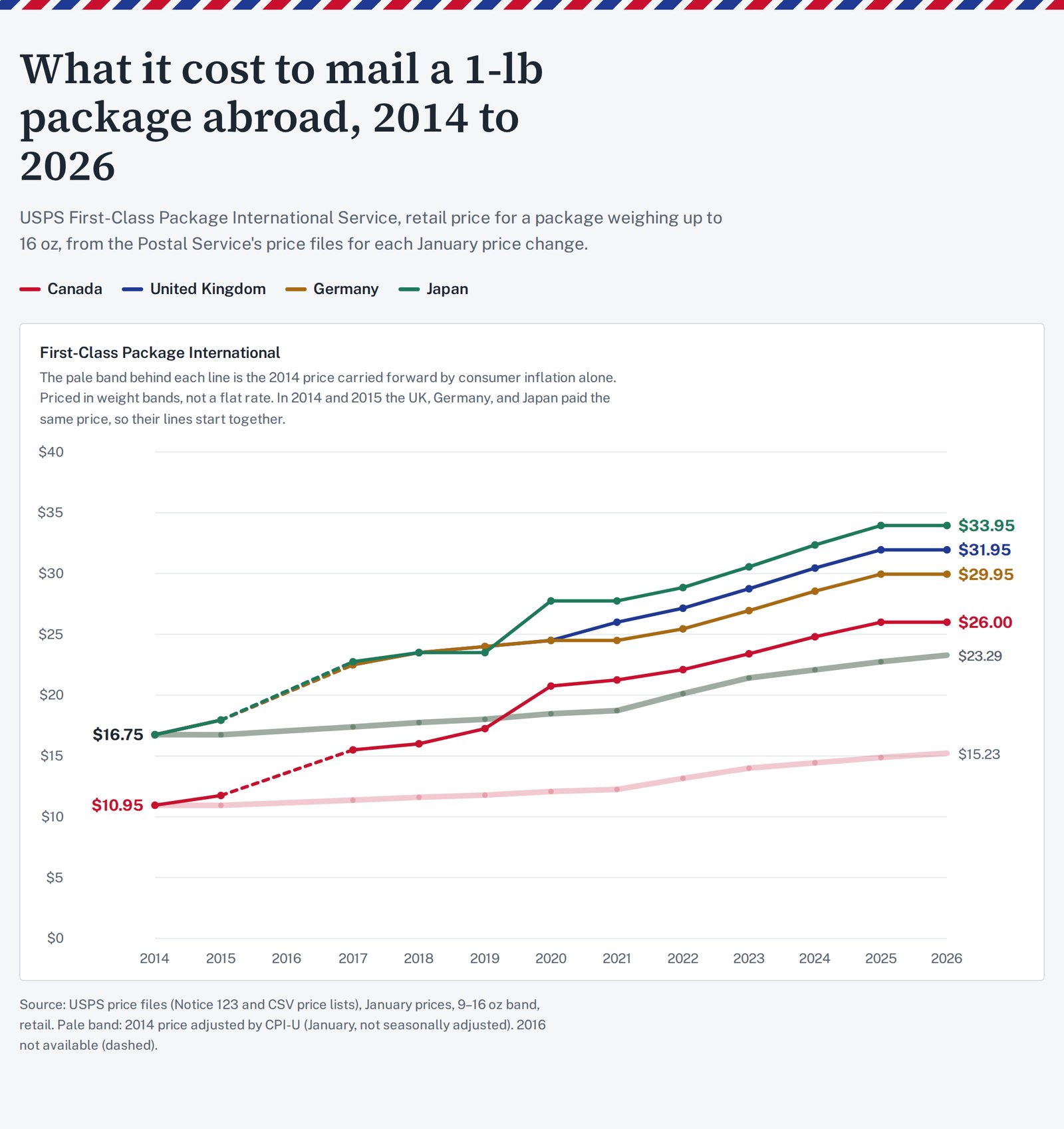
Shipping costs were already the problem. Sending a one-pound book (about 450 grams) from the United States to Germany cost $16.75 in 2015; inflation alone would put it at $23.29, while the actual 2026 price is $29.95. USPS First-Class Package International rates rose well above inflation between 2014 and 2026.
Taxes are harder still. Paying VAT up front (DDP) requires an EU VAT number and monthly returns broken out by country; the cheapest service Fleishman found costs about $100 a month and still cannot pay the customs fee for the seller. FedEx, DHL and UPS are out of reach: in one crowdfunding campaign, a delivery quoted at $75 cost $250 after surcharges.
Why it matters
Fleishman has removed the EU from his store. He estimates he would need about $25,000 a year in direct EU sales to cover the new overhead; outside Kickstarter he sells roughly $1,000 a year there. Campaign orders, where 10 to 15 percent of funds go to rewards shipped outside the United States, may end in refunds rather than deliveries.
He notes the United States ran the same experiment: the de minimis threshold was $200 until 2015, then $800, and was ended in 2025. The result in Europe, he argues, is not protection of local industry but a bureaucratic barrier small exporters cannot climb. PirateShip's discounted export service, used for about 2,000 of his packages, does not yet support the fee.
SiTech — AI-powered web development
We build fast, modern websites and bring AI into real business workflows. Have a project or a question? We'd love to help.