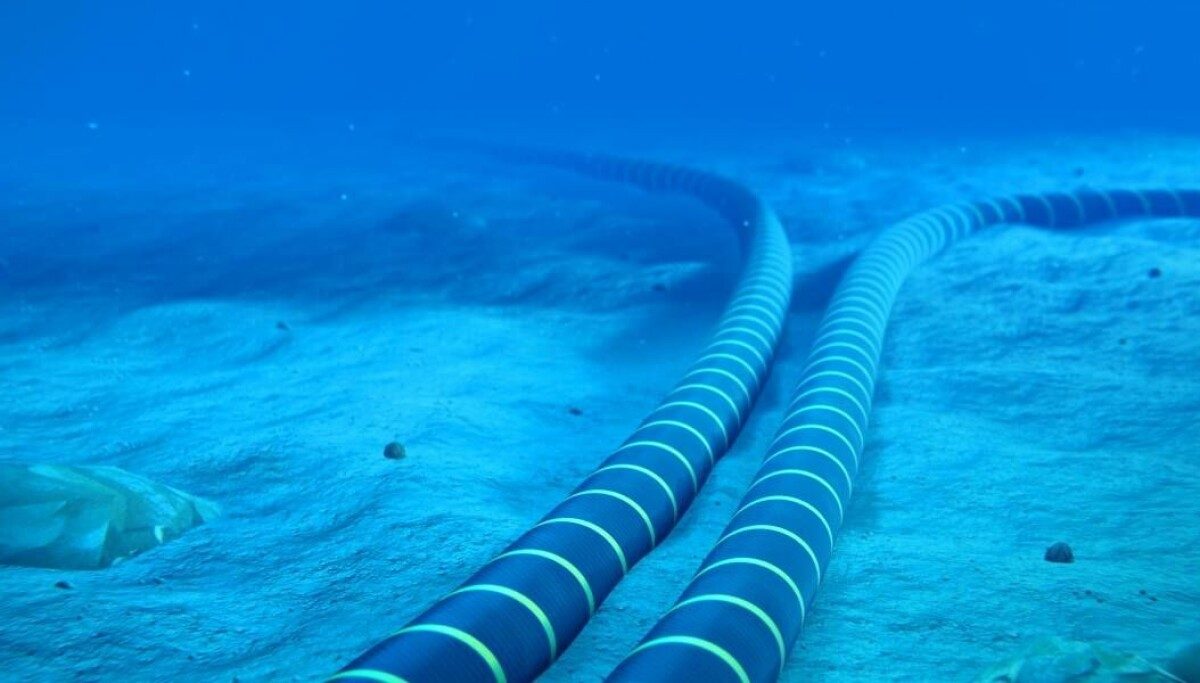
UK Proposes Up to 14 Years in Prison for Subsea Cable Sabotage
Britain has proposed up to 14 years in prison and unlimited fines for damaging critical subsea cables and pipelines, updating 1885 laws as Russian undersea activity raises alarm.
UK Sets Out New Subsea Cable Security Plans
Britain is threatening subsea cable saboteurs with up to 14 years in prison and unlimited fines. The government on Thursday set out plans to overhaul legislation dating back to 1885 and introduce tougher penalties for damaging the underwater cables and pipelines that keep Britain's internet and energy supplies running.
According to Whitehall, subsea cables carry around 99 percent of the UK's international data traffic, while underwater pipelines account for 74 percent of its gas supply. Much of this infrastructure is protected by laws written when the telegraph was cutting-edge technology.
The Submarine Telegraph Act 1885 originally imposed a £100 maximum fine for damaging a cable through culpable negligence. Under the proposals, those who intentionally damage critical subsea energy or telecoms infrastructure could face up to 14 years behind bars. The proposals also set tougher penalties, including unlimited fines, for reckless or negligent damage.
New Duties and Powers for Operators
Subsea telecoms operators would face new legal duties to identify and manage security risks. Ministers would gain powers to direct companies and cable repair providers to take action where necessary and proportionate to protect national security.
The government also wants to regulate fiber-optic sensing technology, which uses subsea cables to detect activity at sea but could pose a security risk if sensitive data falls into hostile hands.
Unsurprisingly, Russia features prominently in Whitehall's thinking. In April, British forces exposed a covert Russian submarine operation near critical undersea infrastructure. The operation reportedly involved an attack submarine acting as a decoy while two specialist vessels surveyed Britain's cable routes.
Telecoms minister Ian Murray said the threats Britain faces have changed dramatically, with suspicious Russian activity around critical undersea infrastructure, yet some of the laws protecting these vital connections date back more than a century.
Earlier Warnings and a Consultation
The plans are not entirely new. In May, the government announced its intention to toughen penalties and introduce security obligations for cable operators. Thursday's White Paper spells out the proposed penalties and how far ministers could go in directing operators to act.
The proposals also follow warnings from Parliament's Joint Committee on the National Security Strategy, which concluded last year that Britain was insufficiently prepared for a coordinated attack on its subsea infrastructure. MPs and peers warned that government assessments focused too heavily on individual cable failures, rather than what might happen if attackers simultaneously targeted connections to Europe and across the Atlantic.
Russian submarines are not responsible for every severed cable. Fishing boats and ships dragging their anchors do most of the damage, accounting for up to 97 percent of faults, according to previous government estimates.
Even when sabotage is suspected, catching those responsible is another matter. Britain already has laws allowing life sentences for serious acts of state-backed sabotage, but they are not much use if nobody can prove who did it. That is difficult when the crime scene is at the bottom of the sea, and it might prove equally difficult to extradite suspects from enemy nation states.
None of this is law yet. The government has opened a 12-week consultation on the plans, after which ministers will decide how to proceed. Whether the threat of a lengthy prison sentence will trouble Russian submariners is debatable. Even so, after 140 years, Britain's subsea cable laws are finally getting dragged out of the Victorian era.
Sources: The Register
SiTech — AI-powered web development
We build fast, modern websites and bring AI into real business workflows. Have a project or a question? We'd love to help.