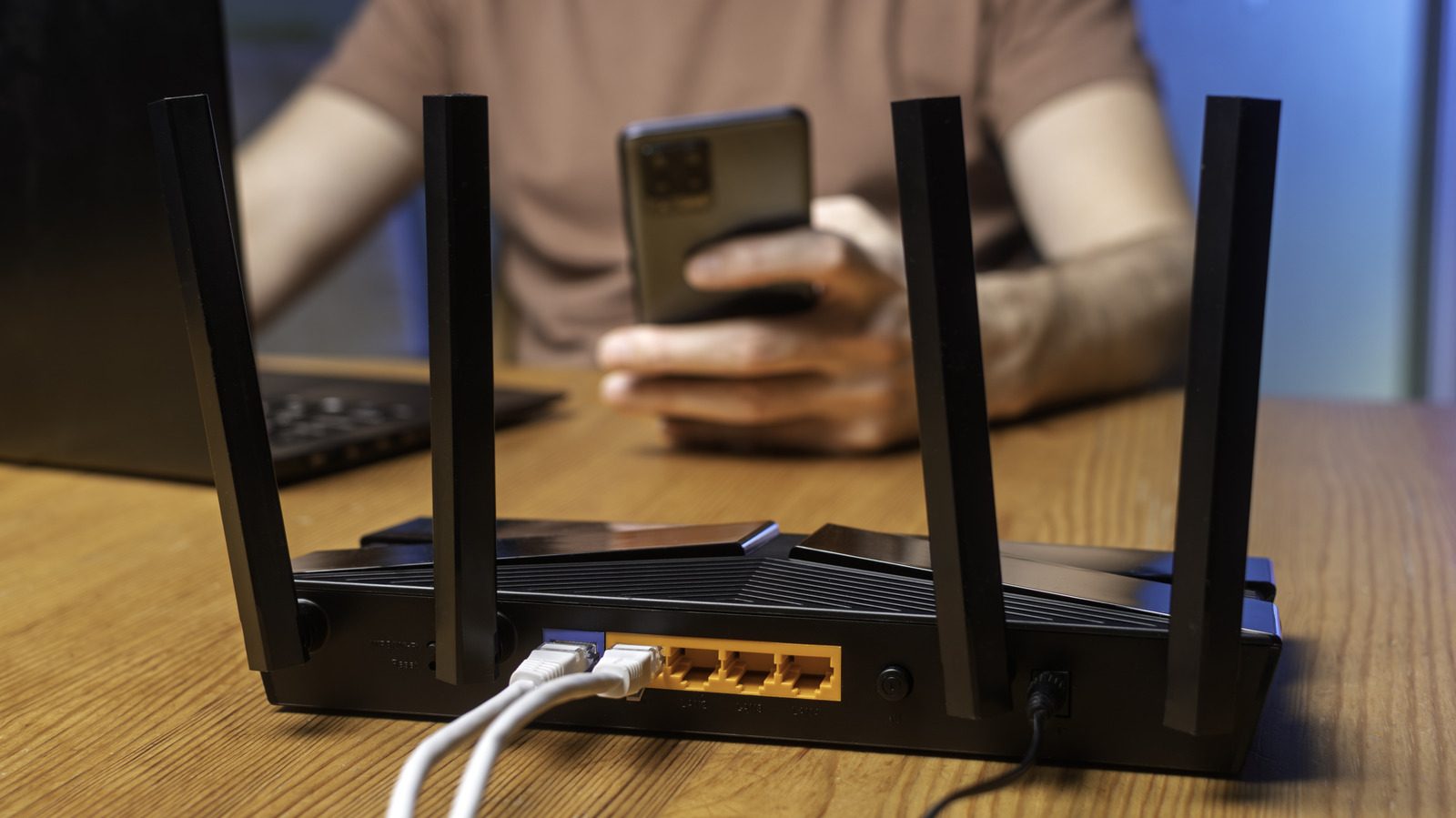
Wi-Fi 8 Targets Reliability Problems in Wireless Internet
Wi-Fi 8 is still in development, with final approval expected in 2028, and it focuses on reliability, stability, wall penetration and range rather than raw speed for home networks.
Wi-Fi 8 is still in development and is designed to address reliability problems in wireless internet, with final approval expected in 2028. The standard, known as 802.11bn and nicknamed Ultra High Reliability, focuses on stability rather than the speed gains that define earlier generations. Companies such as ASUS and TP-Link have already announced routers based on the draft specification.
Speeds are already high enough
Wi-Fi 7 realistically caps out at about 23 Gbps, a number virtually nobody will see in the real world, and it was released in 2024 with pain points such as poor stability, weak wall penetration and relatively short range. Most home internet plans offer speeds of a few hundred megabits per second, which older Wi-Fi 6 routers should handle with ease. For faster speeds, such as a 2 Gbps fiber connection, Wi-Fi 7 can largely keep up, especially if you are sitting right next to the router.
Reliability targets
Wi-Fi 8 is being designed to fix common issues such as a weak signal in one part of the house, an apartment building with 20 networks competing for airtime, or a clunky mesh handoff when walking between rooms. It should achieve 25 percent better throughput for weak signals, 25 percent fewer dropped packets, especially when moving between access points, and 25 percent lower latency at the shakiest moments.
How access points coordinate
Today's routers share channels by taking turns, and not always in the most efficient manner. Wi-Fi 8 refines that by letting compatible access points coordinate when each one transmits, which will make the most sense with mesh systems.
Buyers should wait
Although you can buy an ASUS gaming router or mesh system built on Wi-Fi 8 today, with a TP-Link model coming soon in some regions, they will not make much difference yet because both the router and the device on the other end need to support it. Since these first devices are built on a draft specification, there is no guarantee they will support everything in the final version. For now, Wi-Fi 7 is still a perfectly reasonable choice for a new router, and moving a router to a central location will likely do more than any new standard, whether draft or final.
Sources: Engadget
SiTech — AI-powered web development
We build fast, modern websites and bring AI into real business workflows. Have a project or a question? We'd love to help.