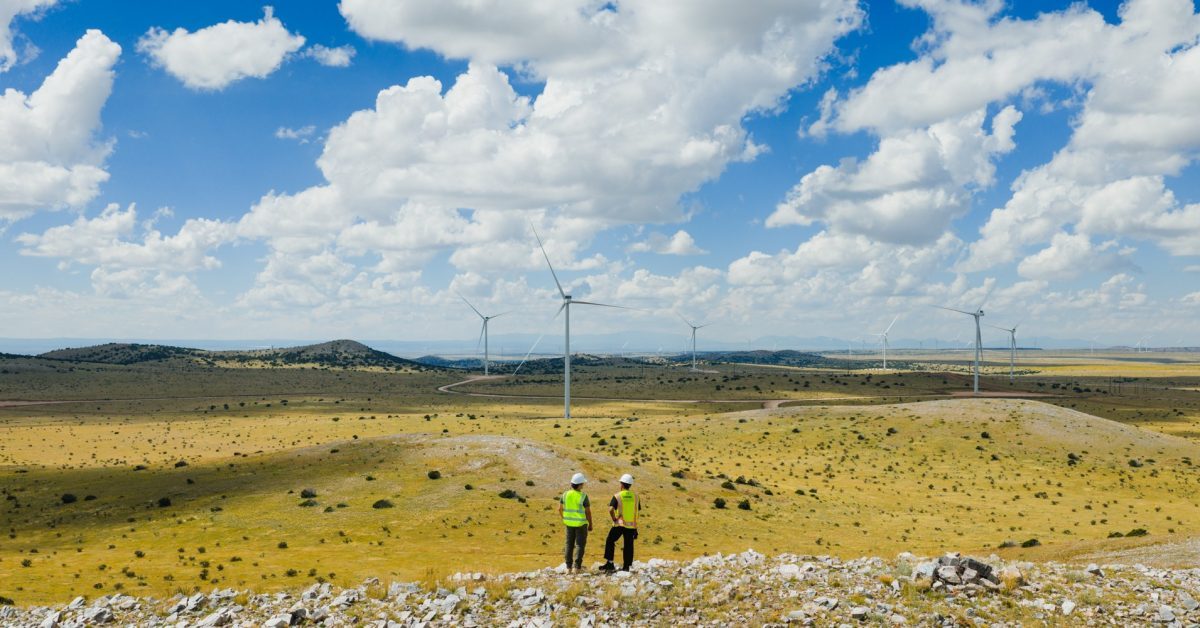
Wind and solar outproduced gas worldwide for a full month for the first time
Wind and solar supplied 22% of the world's electricity in April 2026 against 20% from gas, generating a record 531 TWh — 54 TWh more than gas plants, according to the think tank Ember.
Wind and solar plants generated more electricity than gas worldwide in April 2026 — the first time the two renewable sources have outproduced gas over a full month, according to the independent energy think tank Ember.
A record 531 terawatt-hours
Ember's figures show wind and solar supplied 22% of global electricity in April against 20% from gas. Together they generated a record 531 terawatt-hours (TWh), about 54 TWh more than the 477 TWh from gas plants. Five years earlier, in April 2021, gas output was almost identical at 476 TWh, while wind and solar delivered only 245 TWh — less than half of this year's total.
Growth, not the crisis
Ember says the milestone was not caused by the energy crisis, whose first full month fell in April amid the conflict in the Middle East, but by years of rapid renewable construction. Wind and solar grew fast enough to cover most of the rise in global electricity demand, limiting growth in gas generation. The analysis found no sign of a broad return to coal despite concerns over energy security and fuel prices.
Output rose in nearly every major market that reported April data, with global wind and solar generation up an estimated 13% year over year: China +14%, the European Union +13%, the United Kingdom +35%, the United States +8%, Australia +17%, Chile +24% and Brazil +4%.
Why April favours renewables
April is usually the strongest month for such records: spring weather in the northern hemisphere combines strong winds, rising solar output and lower demand between the heating and cooling seasons. Ember's Global Electricity Review found that wind and solar covered all of the growth in global electricity demand in 2025. Governments are also raising targets, from Indonesia's 100 GW solar-plus-storage plan to South Korea's goal of tripling renewable capacity to 100 GW by 2030.
"Countries around the world have been turning to wind and solar because they are cheap, homegrown, and secure sources of electricity," said Kostantsa Rangelova, Ember's global electricity analyst. She said the crisis had strengthened the economic case for renewables against imported gas, with LNG-fired electricity increasingly unable to compete.
SiTech — AI-powered web development
We build fast, modern websites and bring AI into real business workflows. Have a project or a question? We'd love to help.