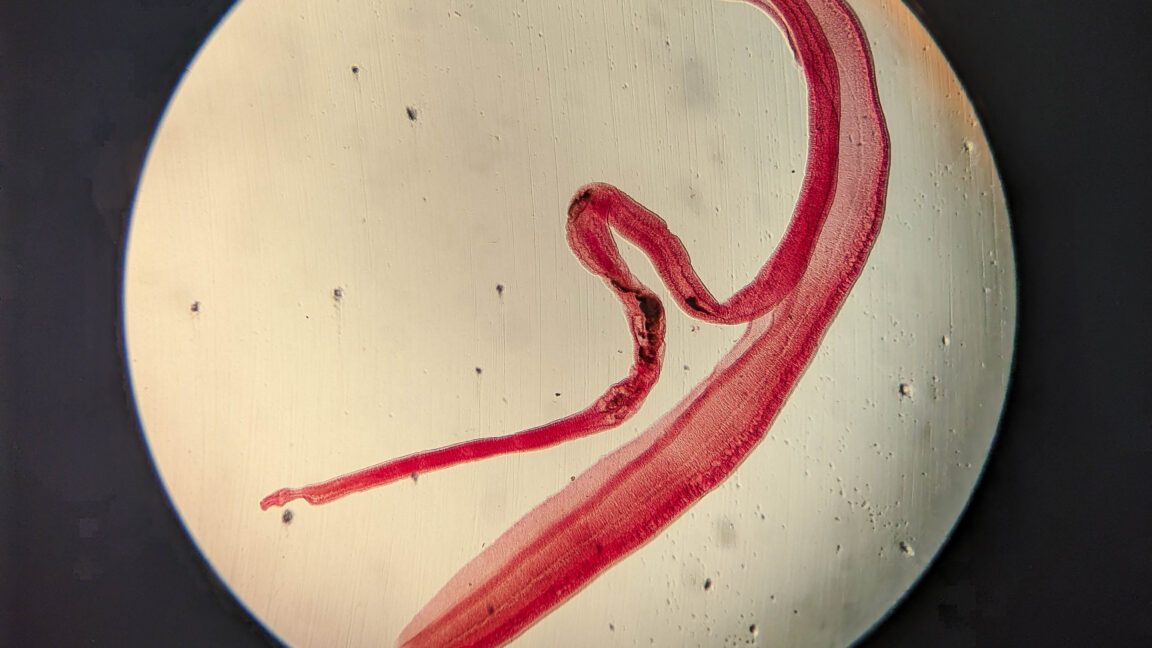
Woman's brain worm infection confirmed after eggs grow tails in lab test
A rice farmer in the Philippines had a sudden seizure; an MRI showed nodules in her left frontal lobe, and an old lab test confirmed Schistosoma japonicum eggs in her brain.
A woman in the Philippines suddenly lost control of the right side of her body: her arm and leg shook uncontrollably for about a minute, though she had felt well beforehand.
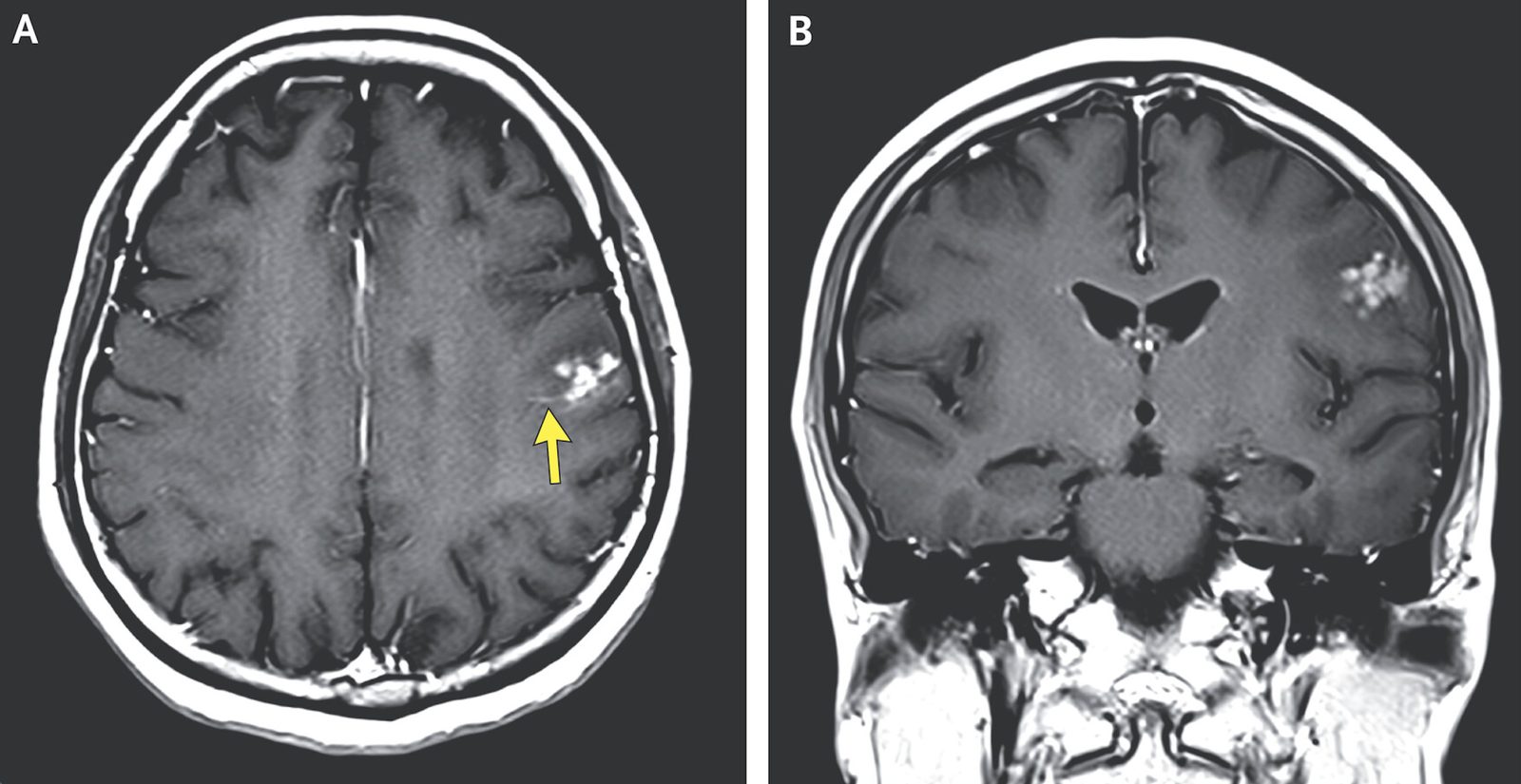
A physical exam at an emergency department found nothing unusual, but an MRI showed a bright cluster of fluid-surrounded nodules in her left frontal lobe. Her doctors suspected what they were: worm eggs.
An unfortunate fluke
The woman, a rice farmer, was diagnosed with neuroschistosomiasis, an uncommon complication of a Schistosoma blood fluke infection, per a case report in the New England Journal of Medicine (NEJM). The most common fluke in the Philippines, S. japonicum, also occurs in China and parts of Indonesia; despite its name, it has been eliminated from Japan.
S. japonicum has a roundabout life cycle: eggs shed in urine or feces hatch into free-swimming larvae that develop inside aquatic snails, then emerge with a forked tail to find a host.
These tailed larvae, called cercariae, tunnel through intact skin and travel through the vascular system to mature into adults. The adult worms live paired in large abdominal blood vessels and often go unnoticed, letting the infection become chronic; the eggs cause the trouble — inflammation, fibrosis, and organ complications.
Eggs with tails
On rare occasions, S. japonicum eggs reach the central nervous system; how is not fully understood. Experts speculate that adults or eggs get diverted into unusual locations, possibly because of heavy infestation or vascular damage. Eggs lodged in the brain are often linked to seizures.
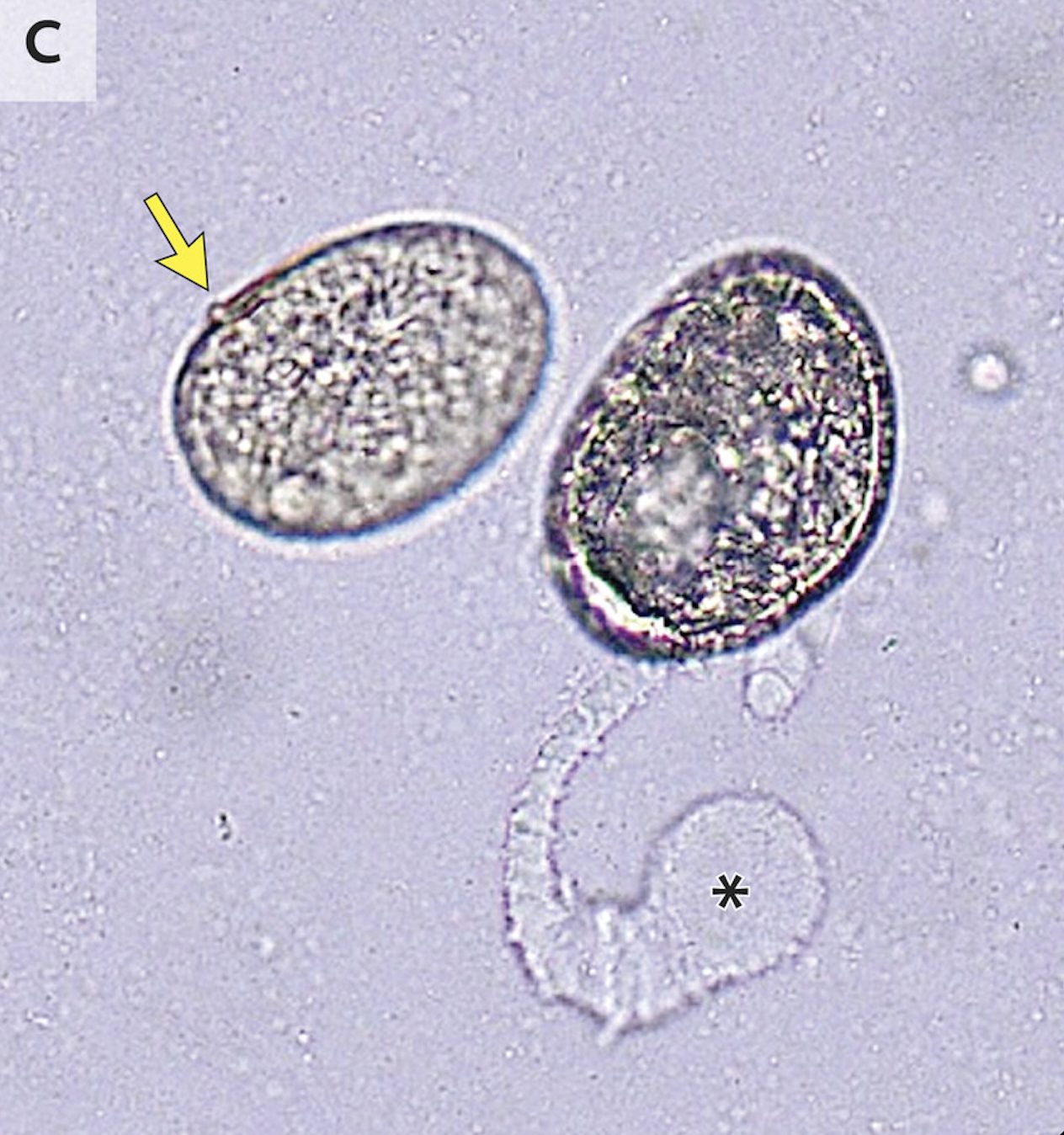
There is no single definitive test for schistosomiasis, so the doctors used a method from the 1950s: the circumoval precipitin test. A reference sample of S. japonicum eggs is flooded with the patient's serum; if she is infected, antibodies bind to molecules on and around the egg, forming a tail-like structure outside it. The test does not always work, but here the eggs grew clear tails, indicating an S. japonicum infection.
Treatment and recovery
A stool test found 190 eggs per gram of feces. With the MRI findings, that pointed to cerebral schistosomiasis that had caused a focal seizure. She was prescribed an anti-parasitic, an anti-inflammatory, and an anti-seizure drug; three months later she had no further seizures, and a follow-up MRI showed the worm eggs were gone.
SiTech — AI-powered web development
We build fast, modern websites and bring AI into real business workflows. Have a project or a question? We'd love to help.