L-Acoustics Uses AI to Isolate Celine Dion's Voice in Concert Sound
L-Acoustics says its Source Intelligence software uses machine learning to separate a singer's voice from instruments, crowd noise and reverberation in real time, part of a broader push to improve concert sound quality.
Software aims to keep the lead voice clear
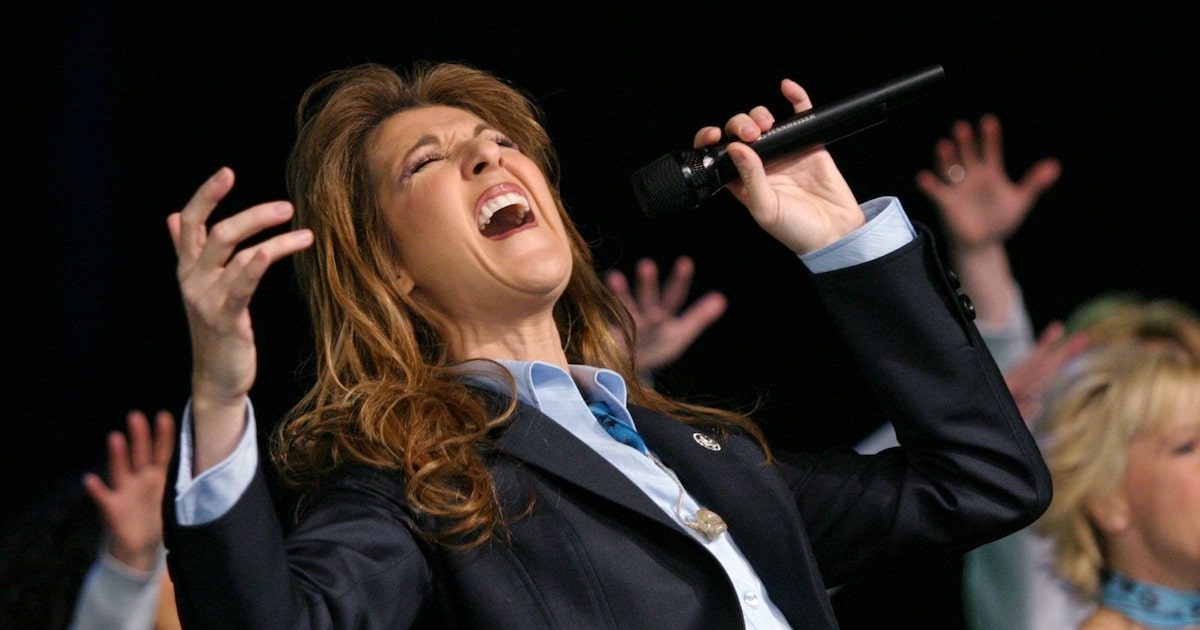
Celine Dion's concerts at the Plenitude Arena outside Paris offered a recent test of L-Acoustics' Source Intelligence platform. The company launched the software early this year and says machine learning isolates a singer's voice from distracting background noise in real time. L-Acoustics says the tool can remove up to 40 decibels of nonvocal sound while filtering other instruments, backing vocals, the crowd and reverberation in the room.
For Dion's 26 concert series at the arena, front of house engineer Denis Savage said the audience wants to hear Dion and described the result as basically like voodoo. Savage, who has worked with Dion for 38 years, said L-Acoustics simply makes it easier to keep her voice clear in the mix while she performs during recovery from a rare neurological disorder.
Closed hardware and software ecosystem
L-Acoustics follows a closed model similar to Apple Inc. Source Intelligence works only with L-Acoustics sound systems and requires the company's L-ISA II processor, binding customers to its broader hardware and software ecosystem. By contrast, Alpha Labs' De-Feedback can operate with equipment from several manufacturers, and Cedar Audio Ltd also uses machine learning and neural networks. German rival D&B Audiotechnik presented a system last month that lets engineers virtually hear how a concert would sound from each seat in a venue.
Voice separation is not new. The technology existed for years before reaching large concerts and was first introduced by DJs working in clubs. L-Acoustics says its move into software complements its hardware background, including the line array approach of stacking speakers that the company helped popularize in the 1990s.
Live demand drives a broader audio strategy
Co-CEO Laurent Vaissie said excellent speakers alone are not enough and that quality content and audio are also essential. He forecast revenue of 400 million euros next year, a double digit increase over 2026. The private company still earns most of its business from large live events, but it is expanding into theaters, sports venues, nightclubs and some high end retail spaces.
At the Plenitude Arena, which holds up to 45,000 people across 13 kilometers of stands and was built for rugby and used as a pool during the Paris Olympics, the latest L1 speakers were placed to the left, center and right of the stage. Systems engineer Francois Desjardins said a single source for Dion's voice and bass produces consistent sound and avoids acoustic contamination and echoes. He added that the stage hears up to 26 decibels less than the audience area, helping Dion follow music and cues through her in ear monitors.
The full audiovisual and acoustic system for Dion's Plenitude concert cost more than 1 million euros, according to Vaissie. Sound usually represents 10 percent of a production budget, behind lighting at 20 percent and video at 40 percent. Solotech, a Montreal based producer supplying equipment to AEG Worldwide, acquired the technical package and plans to use the L1 speakers at other concerts before returning to Paris for 10 more Dion shows next year. Vaissie said the software will not take the job from the mix engineer and is replacing other techniques instead.
SiTech — AI-powered web development
We build fast, modern websites and bring AI into real business workflows. Have a project or a question? We'd love to help.