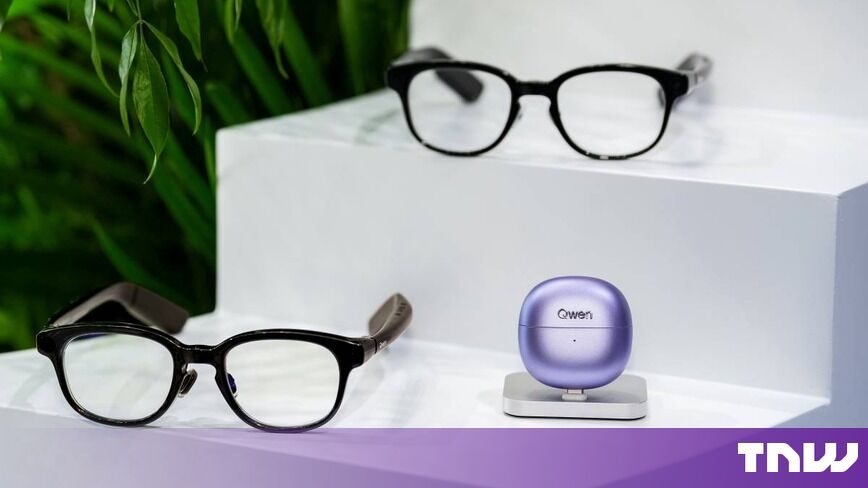
Alibaba begins selling Qwen N1 AI glasses in China from $450
Alibaba has started selling its Qwen Glasses N1 smart glasses in China, with prices from 2,999 yuan before discounts. The N1 Pro adds eye tracking, iris payment scans and health sensors, while Qwen Clip earbuds launch alongside.
Pricing and availability
Alibaba has begun selling its Qwen Glasses N1 smart glasses in China at prices starting from 2,999 yuan ($450) before discounts, according to Bloomberg, which reported from a launch event in Hangzhou on Tuesday. Several Chinese outlets listed the entry price slightly lower, at 2,899 yuan, and Yahoo Finance Hong Kong reported that state subsidies and launch offers could bring the cost down to 2,218 yuan.
The glasses are on sale through Taobao, Tmall, JD.com and Douyin. Bloomberg noted that the N1 is not cheaper than Meta's Ray-Ban glasses, which lead the market. Like Meta, Alibaba sees glasses as a way into its own AI tools; Meta added a camera-free model to its range last month.
Features and hardware
The N1 includes a 50-megapixel camera and runs Alibaba's Qwen AI assistant, which users talk to through bone-conduction microphones. The glasses can translate, take meeting notes, assist with shopping and payments, and carry out tasks by voice. A single charge provides 25 hours of standby or nine hours of music playback, according to Bloomberg, and Chinese reports said the battery can be swapped.
The N1 Pro, priced at 3,499 yuan, adds eye tracking. Wearers can look at an object to ask about it and confirm payments with an iris scan. The Pro also tracks heart rate, blood oxygen and skin temperature, Chinese tech site PConline reported.
Qwen Clip and industry context
Alongside the glasses, Alibaba began selling Qwen Clip, its first AI earbuds. Made with Bose, they clip onto the ear and cost 1,299 yuan, according to Bloomberg, and also translate and take notes. Alibaba first showed the N1 series and the earbuds at its Apsara conference in September and opened pre-orders on September 22. At the launch, Song Gang, a vice president in Alibaba's Qwen business, described the glasses as a second pair of eyes and ears for users, Chinese site ZOL reported.
Chinese glasses makers now have new guidance to follow. In September, the country issued a voluntary code asking AI glasses to show a light when they record.
Sources: The Next Web · Bloomberg · Techmeme
SiTech — AI-powered web development
We build fast, modern websites and bring AI into real business workflows. Have a project or a question? We'd love to help.