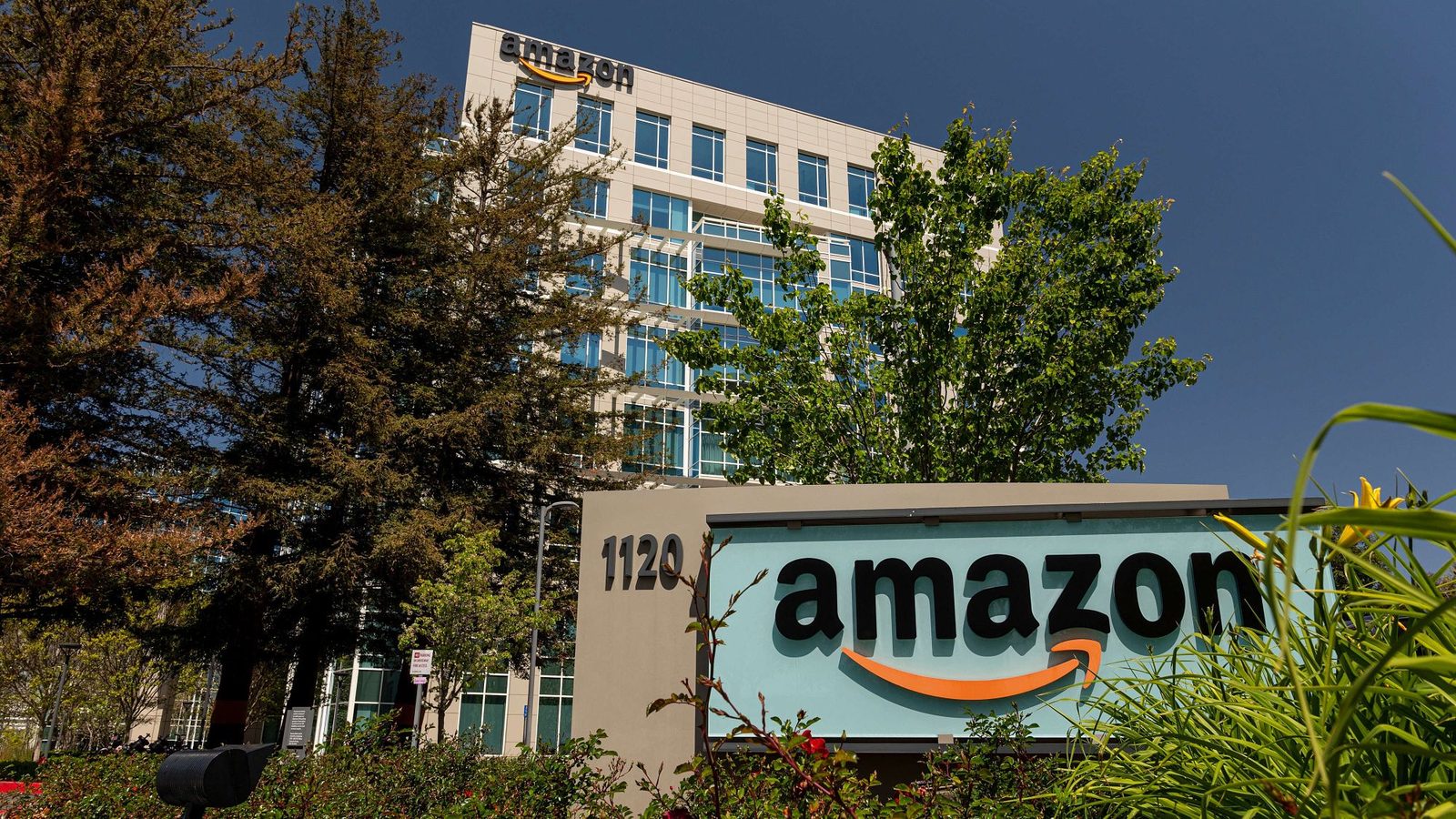
Amazon Tells Engineers to Stop 'Tokenmaxxing' in New AI Guidelines
Amazon's updated engineering guidelines say heavier AI token use is not the same as better work, warning against tokenmaxxing while still placing AI at the center of software development.
Amazon has updated its engineering guidelines to tell developers to stop 'tokenmaxxing,' or inflating AI usage to appear productive. Published on October 27, the guidance says consuming more tokens is not the same as delivering more value, while still stating that AI will be central to software engineering practice.
What the guidelines say
The guidance targets tokenmaxxing, a practice where employees deliberately inflate their AI usage to look productive on internal dashboards. Amazon says metrics such as AI adoption rates, token consumption, code changes, and code reviews become 'deeply flawed' when disconnected from actual results. Turning them into targets encourages wasteful behavior that conflicts with its emphasis on frugality and simplicity and can raise both compute bills and software complexity.
Amazon's preferred measure is long-term outcomes. 'We believe that it is best to measure, and be measured by, long-term outcomes,' the company wrote. It also says input metrics remain useful when examined with care and judgment alongside other indicators, and suggests looking at teams using AI the least and those using it the most to see whether adoption is translating into better delivery.
AI tools are not always the answer
The memo pushes back on the idea that every task needs an AI tool. If current tooling does not benefit someone's work, Amazon says that is 'a finding, not a failing.' Engineers who can explain where today's tools fall short are demonstrating judgment rather than reluctance to adopt AI.
Amazon also says it has not imposed token caps on employees. According to CNBC, however, it shut down an internal leaderboard in May after workers were found gaming it to climb the rankings, an early example of the behavior the new guidelines are meant to discourage.
Earlier incidents and industry context
In May, it emerged that Amazon employees were using AI unnecessarily to boost internal usage scores. Workers reportedly used MeshClaw, an internal AI agent capable of handling tasks such as deploying code and interacting with Slack, to inflate their token counts.
Amazon is not the only company rethinking AI spending. Uber president and COO Andrew Macdonald said in May that higher token usage has yet to translate into useful consumer features, saying 'That link is not there yet.' Uber's CTO previously revealed that the company had burned through its entire 2026 Claude Code budget by April.
Leaked audio obtained by 404 Media in June captures Accenture executives acknowledging that token spending is climbing fast as companies move from simple chatbots to agentic workflows, and that nobody can reliably predict what a given task will cost or whether it was worth the money. Accenture's agentic AI strategy lead described it as 'not a niche problem,' and the firm is reportedly building an advisory tool called 'Token IQ' to help customers manage the bill. OpenAI CEO Sam Altman has previously acknowledged that AI token costs had become 'a huge issue,' as companies faced mounting bills from heavy AI use.
Leadership context
The push comes as Amazon, under CEO Andy Jassy, has been weaving AI deeply into its operations. Jassy said earlier this year that the technology will 'change the scope and speed' of everyday work, and he has suggested that automation could shrink the company's corporate workforce over the next few years, though he also expects it to create 'other jobs.'
Sources: Tom's Hardware
SiTech — AI-powered web development
We build fast, modern websites and bring AI into real business workflows. Have a project or a question? We'd love to help.