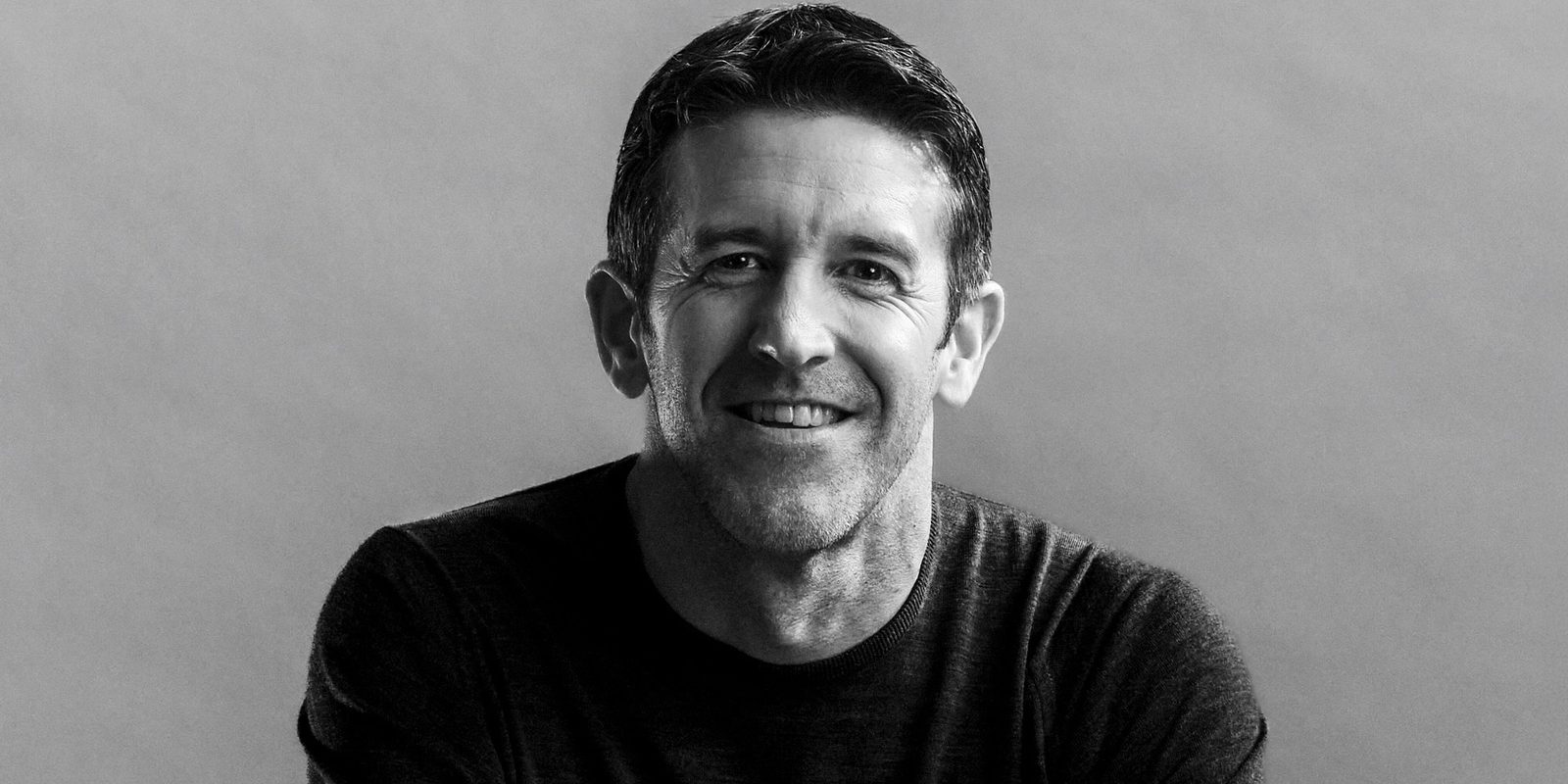
John Ternus Bets Apple's Future on Foldables, Devices and Practical AI
Apple's new CEO John Ternus is betting that well made devices still matter. The foldable iPhone Duo, a privacy focused Siri and tighter parental controls anchor his early tenure.
A new CEO for a hardware led Apple
John Ternus became Apple CEO on Sept. 1 after a 25 year career at the company. TIME describes him as a private, detail oriented engineer who helped shape products across the Mac, iPad, AirPods and iPhone. The stakes are high: Apple is the second biggest company in the world by market cap, and Ternus now has to move between celebrities, stockholders, politicians and rival tech CEOs.
At the Duo unveiling in Cupertino, Ternus showed visible nerves after little sleep, then demonstrated the foldable iPhone with IShowSpeed, who was livestreaming to 61 million YouTube subscribers. Ternus later said the moment mixed adrenaline, caffeine and excitement.
The Duo is Apple's boldest iPhone change since 2007
The iPhone Duo, priced at $1,999 and up, opens from a passport size phone into a larger tablet style screen. Apple says early testers can barely detect a crease. The device uses a custom polymer surface, a hinge with more than 100 tiny precision components, a new display engine tied to Apple silicon, and iOS controls moved toward the right side for thumb use.
The project traces back years. In 2011, Ternus and five other engineers filed a patent application for foldable electronic devices. Apple took its time even as rivals shipped foldables, and Ternus told his team to keep pushing on materials and manufacturing. Demand for Samsung's Galaxy Z Fold8 suggests a growing market, while Apple also faces comparison with past misses such as the unreleased Apple Car and low Vision Pro sales.
Practical AI and pressure beyond the product
Ternus argues people still want physical devices for talking, photos, messages and images of loved ones, even if other companies build super intelligence. Apple's new Siri launched in the U.S. in September on an Apple model using Google Gemini technology, an unusual reliance on a rival. Apple frames the bet around privacy and context: Siri can act on messages, emails, calendar, documents and health data with permission, processing requests on device where possible and using Private Cloud Compute for harder tasks.
The company also rolled out a redesigned Screen Time in September to give parents more control, announced the HomeView smart home hub on Oct. 13, and faces reported plans for smart glasses in 2027, which Apple declined to comment on. Challenges include a memory chip shortage, a bipartisan Senate objection to testing Chinese memory chips, child safety rules and OpenAI's device push with Jony Ive. Apple counters that it has 2.5 billion active devices and is building for everyday people rather than only AI believers.
Sources: Time
SiTech — AI-powered web development
We build fast, modern websites and bring AI into real business workflows. Have a project or a question? We'd love to help.