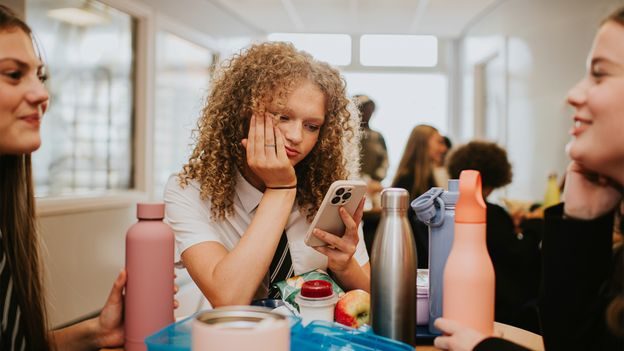
Anti-social: why fads, not friends, now fill social media feeds
A BBC Worklife report finds that feeds on Instagram, TikTok and Facebook are increasingly dominated by professional content and advertising, while posting by ordinary users keeps falling.
Social media was once sold as a digital town square. A BBC Worklife report published in May 2026 describes how that promise has faded: on Instagram, TikTok, Facebook and Snapchat, professionally produced content and advertising now dominate, while posts from friends and family become harder to find.
Posting keeps falling
The trend shows up in the data. France's official Barometre du numerique 2026 found that 49% of social media users are "active only occasionally". An Ofcom report published in April recorded a year-on-year fall in British users who actively post, from 61% to 49%. In the United States, a Morning Consult survey from June 2025 found 28% of respondents said they posted less than the year before, with 33% posting daily against 57% who use social platforms daily for entertainment. The gap is widest among Gen Z: 18% active posters against 74% passive users.
Why users went quiet
Vanessa Lalo, a Paris-based clinical psychologist who studies online behaviour, told the BBC that users are more conscious that the traces they leave online stay there forever, and that some no longer want to maintain relationships they consider superficial or expose themselves to criticism. People have not stopped posting altogether, she adds: they post different things in different places, from parody and remixes on TikTok to private groups and messaging apps such as WhatsApp, where advertising and influencer content are less intrusive.
A split platform economy
Consultant Matt Navarra describes social media splitting in two: Instagram and TikTok move towards entertainment and discovery, while WhatsApp becomes the place people actually socialise. Meta now runs what it calls an AI system for unconnected content recommendations, so users increasingly see material from accounts they do not follow. The business remains advertising: global social media ad revenue is expected to reach $317 billion in 2026, up from $277 billion, with Meta's ad sales forecast to overtake Google's for the first time. Small businesses still have an opening, Navarra says, but owners are now expected to be presenters, editors and trend spotters on top of running the business.
SiTech — AI-powered web development
We build fast, modern websites and bring AI into real business workflows. Have a project or a question? We'd love to help.