Apple to tighten macOS 'Full Disk Access' controls over AI agent risks
Apple says it will add new controls around macOS's Full Disk Access permission, warning that increasingly capable AI agents make broad access to files, messages, mail and browsing history riskier.
Apple is preparing to tighten "Full Disk Access," the macOS permission that lets apps read files, mail, messages and browsing history. The company says the setting, which was originally designed so backup software could work, has become a risk now that desktop AI agents rely on it.
What Apple said
In a note addressed to developers, Apple said some developers use the permission in ways that could put users at risk, exposing everything on their systems, including files, mail, messages and even browsing history, without their full knowledge and understanding. With communication apps, the company added, that can also compromise the privacy of the people users talk to.
The note did not say when the update would arrive or what exactly would change. Apple pledged "additional controls" so that anyone who genuinely wishes to grant an app this extraordinary level of access can only do so with "very explicit user action."
The dispute behind the warning
The announcement follows a fight over Meta's Muse, an AI agent for the Mac. Jason Aten, a columnist for Inc., reported that Muse knew the content of his private messages even though he believed he had denied it that permission. Meta disputed the account, saying that if his messages were synced, he must have opted in. Apple's note does not name Muse or Meta.
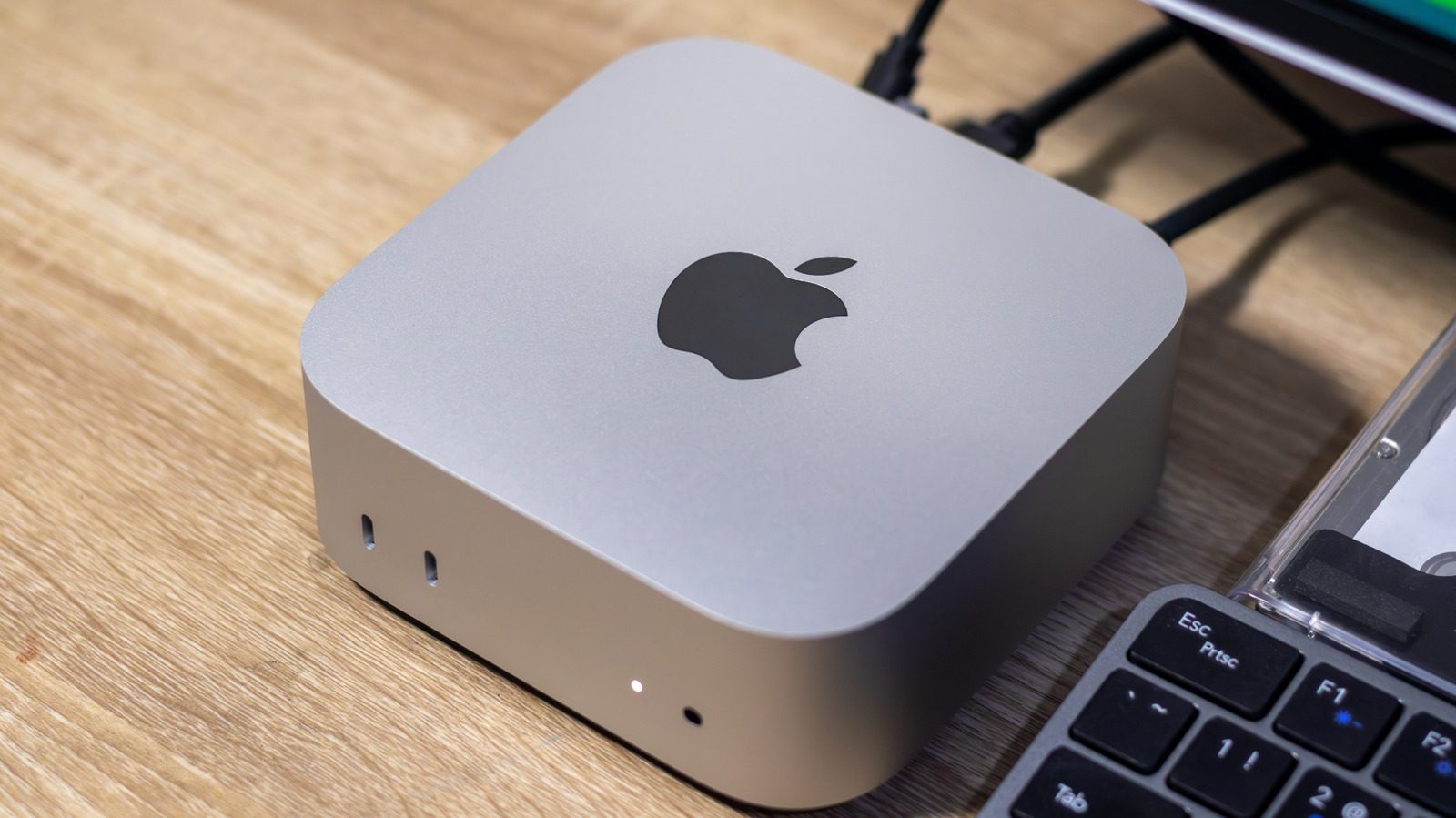
TechCrunch notes the move also comes after a Wired report about a flaw in ChatGPT's Mac app that could have allowed hackers to reach sensitive data. Desktop agents such as OpenClaw, Dots and Muse ask for broad access so they can handle more tasks, and some users run them on dedicated machines, a practice that has contributed to Mac Mini shortages this year.
Why it matters
Apple frames the problem as growing: the risks that come with this level of access will rise substantially as AI agents become increasingly capable and autonomous, the company said. It wants users to understand those risks before granting access, so they can make informed decisions about their own data and privacy. Apple did not respond to TechCrunch's request for comment.
Sources: Engadget · TechCrunch
SiTech — AI-powered web development
We build fast, modern websites and bring AI into real business workflows. Have a project or a question? We'd love to help.