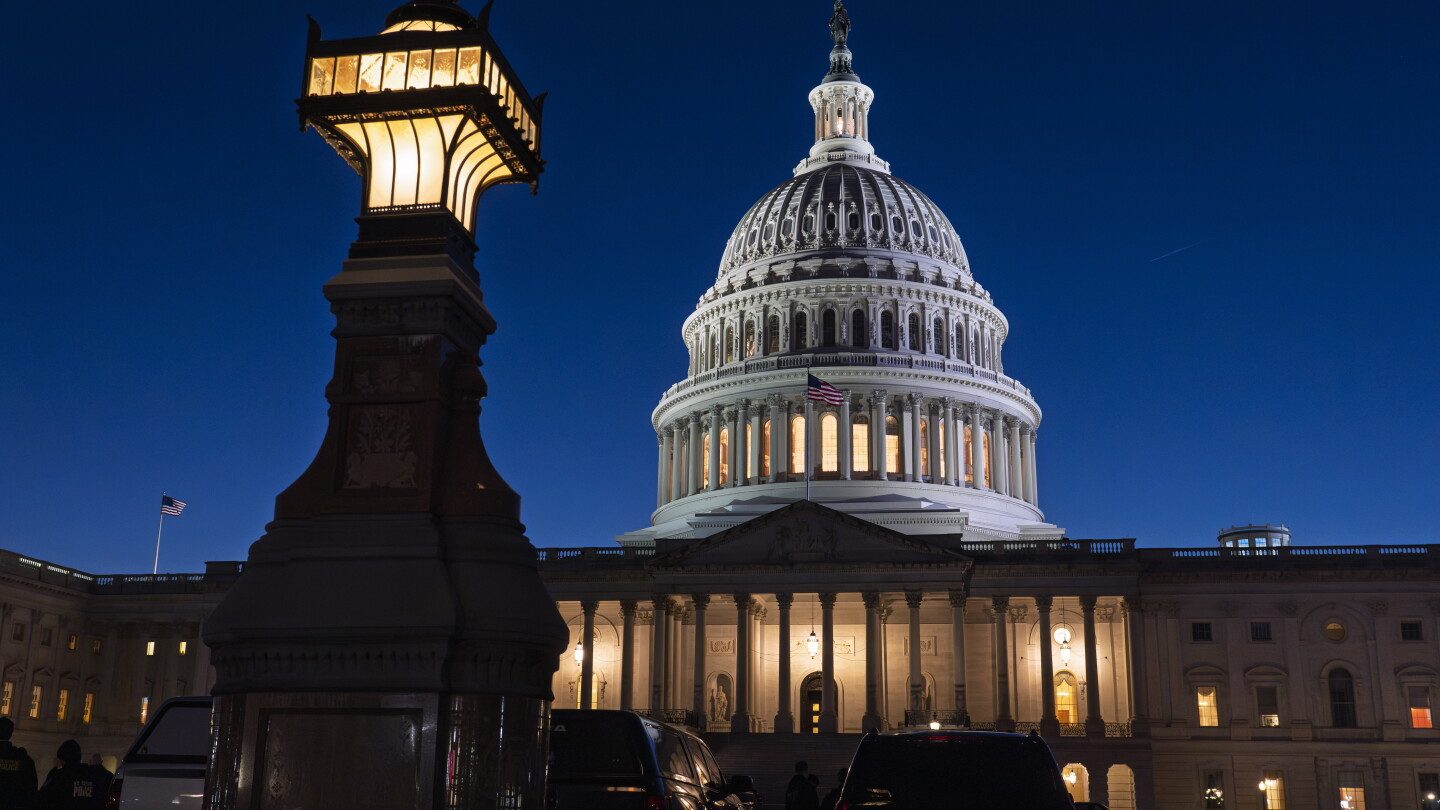
Bank CEOs and NSA Tell Congress That AI-Driven Patches Are Behind Outages
Wall Street executives and the National Security Agency told Congress that widespread tech outages stemmed from attempts to fix AI-identified cyber defense gaps, and did not appear to be a cyberattack, according to three sources familiar with the private conversations.
Wall Street executives and the National Security Agency told members of Congress that this week's widespread tech outages were caused by attempts to fix vulnerabilities identified by artificial intelligence, according to three sources familiar with private conversations. The disruptions were not believed to be a cyberattack, but the fixes temporarily overwhelmed systems. Artificial intelligence is not causing the disruptions, but identifying gaps that are difficult to fix, government and banking officials said.
Outages Hit Flights, Banks and NSA
The country faced a series of startling tech failures over the last few days, including a pause in all flights nationwide, customers being unable to access their bank accounts and a highly classified communications network at the NSA going down. The Federal Aviation Administration canceled more than 20,000 flights as a result of the nationwide ground stop, according to The Wall Street Journal. Microsoft experienced a major outage of Outlook, and Microsoft blamed a technical defect for the disruption. It is also unclear what caused the FAA systems to go down. On Monday, banks such as JP Morgan Chase blamed software-related bugs for service issues. On Tuesday, the NSA said that scheduled routine maintenance was responsible for the temporary degradation of some of its networks.
AI Finds Vulnerabilities Faster Than Systems Can Patch
Powerful companies and government agencies have increasingly trained the most powerful AI models on themselves, seeking to identify vulnerabilities that others may weaponize against them. Once these gaps are identified, they are under immense pressure to patch them as soon as possible, knowing that malicious actors have access to comparable AI tools or will soon. This urgency drove a wide range of public and private sector actors to rush fixes to their systems faster than they normally would, the sources said. Even entities with large resources, such as the nation's top banks and the intelligence community, are finding it difficult to do so without accidentally causing outages. One congressional official briefed on the matter said, "These models are identifying massive vulnerabilities, and that increases the urgency to patch right away. They're trying to push through a lot of patches all at once, more than the system was designed for."
Legacy Systems and Future Risk
Secretary of Homeland Security Markwayne Mullin told CNBC on Tuesday that they are pushing new technology on top of really old computer systems, and it just seems to overwhelm the system, adding that more of this is expected as new technology rolls out. Nathan Calvin, chief strategy officer at Encode, said there is some sense in which this is reassuring, because it means there is not an attack, but it shows the extent to which safety critical infrastructure people rely on is based on software with large vulnerabilities on legacy systems. Updating those will be a rocky process, he said, and as more advanced models arrive this will not be a one time thing, with more vulnerabilities continuing to be found. The NSA did not immediately respond to a request for comment. The sources spoke on the condition of anonymity to describe private conversations.
Sources: washingtonsun.com
SiTech — AI-powered web development
We build fast, modern websites and bring AI into real business workflows. Have a project or a question? We'd love to help.