ChatGPT's new Wallet lets AI agents shop and check out for you
OpenAI launched ChatGPT Wallet, letting eligible U.S. ChatGPT Pro subscribers use AI agents called dots to help choose products and complete purchases with review and biometric approval.
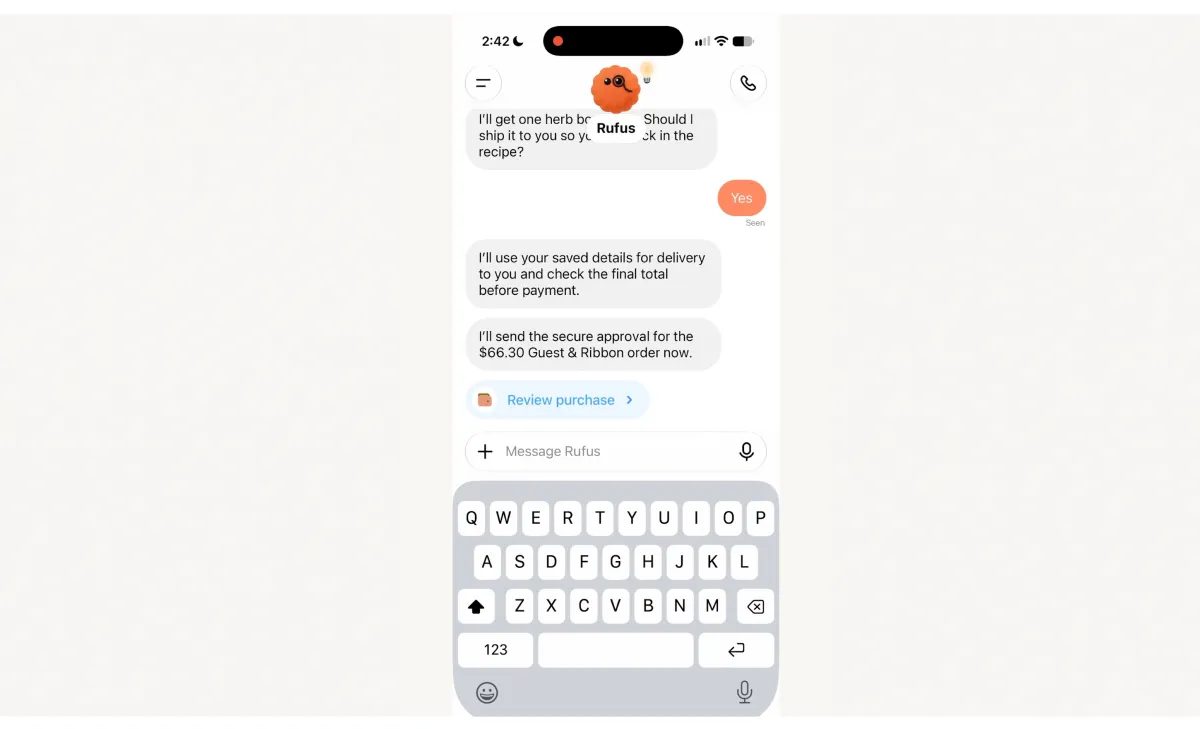
OpenAI launched a ChatGPT Wallet feature on Friday, Nov. 13, 2026, that lets AI agents called dots help users decide what to buy and complete purchases on their behalf. The option begins with limited availability for U.S. ChatGPT Pro subscribers who are 18 or older and have a U.S.-issued Visa, Mastercard, or American Express card. Before checkout, users can review the items, the total, and the payment card, then approve the purchase with a security check such as Face ID or a fingerprint.
How ChatGPT Wallet works
Subscribers add an eligible payment card to ChatGPT Wallet once, then ask a dot to help with a purchase. When it is time to transact, the wallet charges the selected card using a payment token, which substitutes for the user's actual card details so that information is not shared with the dot or the merchant. The merchant automatically receives fulfillment details from the dot, such as the shipping address and contact information.
Controls and payment protections
OpenAI says users remain fully in control of purchases because they can review the items, total, and payment card before checkout. Approving a purchase with Face ID or a fingerprint creates a record of the transaction. Customers who shop through dots can still earn credit card rewards and use protections that typically come with cards, such as disputing transactions.
Why OpenAI is entering agentic shopping
The launch comes as consumer-facing AI tools work to find product-market fit for completing tasks. DoorDash and Uber have reported low numbers of orders placed by AI agents, while Meta's Muse, which has more than 10 million users, has seen AI-assisted shopping become a top activity. Other personal AI agents, such as Instinct, also support making purchases on users' behalf.
Future plans and retailer challenges
The limited launch will let OpenAI test and improve the feature before a broader rollout. OpenAI plans to let users set spending limits and configure parameters around purchase categories or time periods, allowing pre-approved purchases that an agent can handle more autonomously. It also aims to support a broader number of retailers, though some retailers block AI agents from using their sites. Amazon is the largest retailer to ban AI agents, aiming to steer users to its own AI agent, Alexa. OpenAI also published a Commerce Partner Playbook with tools and guidance for sites that want to support customers using agents.
Sources: TechCrunch · OpenAI Blog · Techmeme
SiTech — AI-powered web development
We build fast, modern websites and bring AI into real business workflows. Have a project or a question? We'd love to help.