China's Orca World Model Matches Specialized Robotics Systems Without Ever Seeing a Single Action Label
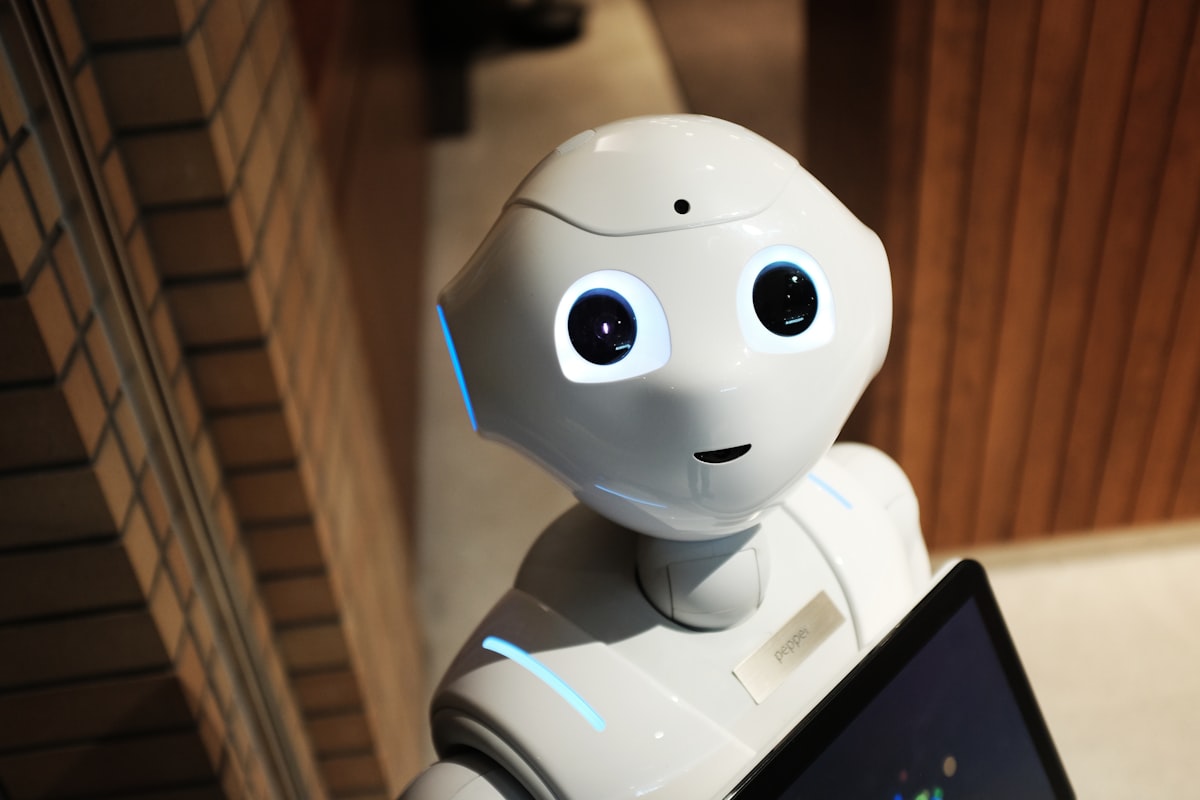
BAAI's Orca world foundation model matches specialized robotics systems across five tasks without a single action label during pre-training — potentially solving robotics' chronic data shortage.
New Era of World Models in Robotics
Beijing Academy of Artificial Intelligence (BAAI) introduced Orca — a "world foundation model" that has captured the robotics community's attention. Orca matches specialized systems across five different robotic tasks, though its base model never saw a single action label during pre-training. This is a fundamentally different approach from what dominates AI and robotics today.
Most modern AI systems — whether language models, video generators, or robot controllers — work by predicting the next token, next frame, or next action. Orca takes a radically different path by trying to understand how the world changes in general, through abstract internal representation. BAAI's researchers argue intelligence should not be defined by specialized prediction models — we need models that create a general understanding of world changes and then use it for many different tasks.
How Orca Works: Two Training Methods in One
Orca's approach combines two different learning modes: unconscious learning (watching raw videos without annotation and predicting the next frame in abstract space, learning motion patterns, occlusion, and scene dynamics) and conscious learning (videos broken into segments with state change descriptions, training on video QA tasks).
The model uses a frozen Qwen3.5 core with swappable output heads for text, images, and robot actions. Training used 125,000 hours of video, 160 million event descriptions, and 11.5 million QA pairs — with only one-tenth of this used for the current version.
Benchmark Results and Implications
Orca-4B matches the specialized π0.5 system across all 5 manipulation tasks in its first evaluation. It demonstrates error recovery capabilities exceeding the specialized system. The model recovers from errors where the specialized system fails entirely. If world models like Orca can learn physical dynamics without expensive labeled action data, the number of robotics applications could multiply dramatically, especially for small businesses and developing economies.