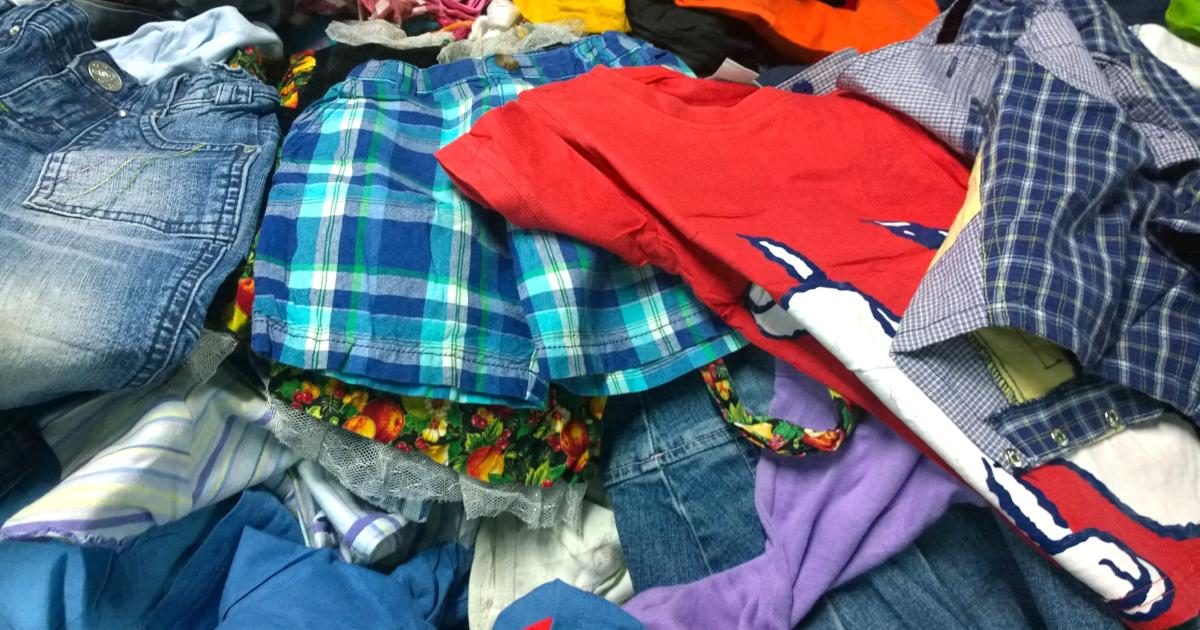
EU ban on destroying unsold clothes and shoes takes effect
From 19 July, large companies in the EU may no longer destroy unsold clothing and footwear. Medium-sized firms must comply from 2030 under the Ecodesign for Sustainable Products Regulation.
What changes on 19 July
Large companies operating in the European Union are no longer allowed to destroy unsold clothes, clothing accessories and footwear. The prohibition takes effect on 19 July, and medium-sized companies will be subject to the same rules from 2030. The measure was introduced under the Ecodesign for Sustainable Products Regulation (ESPR), which came into force in 2024.
Instead of discarding unsold goods, businesses must prioritise keeping them in use: selling them, including through discounts or on alternative markets; donating them to charities or social enterprises; or preparing them for reuse through repair, refurbishment or remanufacturing. Destruction is permitted only in specified circumstances and must follow the waste treatment hierarchy, with recycling given priority.
Narrow exemptions and new paperwork
Companies may destroy unsold textiles only in limited cases — when items are unsafe or damaged, when they are counterfeit or infringe intellectual property rights, or when they have been rejected by charities and donation schemes. To prevent misuse, businesses relying on these exemptions must provide evidence such as documents or test results, and publish annual reports on what they have discarded.
National authorities will check compliance and can impose fines for violations. Companies must keep records for five years to allow inspections, and reporting will use existing customs and logistics codes in order to limit administrative work. Small and micro-businesses are exempt from these requirements.
Why textiles came first
Textiles are the first product group subject to this kind of ban, chosen because of the environmental impact of current business models. According to the European Environment Agency, an estimated 4–9% of all textile products placed on the European market are destroyed before use — between 264,000 and 594,000 tonnes of textiles each year.
When new, usable goods are discarded, the raw materials, water, energy and labour invested in their production are lost, and disposal generates avoidable greenhouse gas emissions. The European Commission says the rules were developed after wide consultation with businesses, NGOs and experts to make sure they work in practice without creating unnecessary red tape.
SiTech — AI-powered web development
We build fast, modern websites and bring AI into real business workflows. Have a project or a question? We'd love to help.