Justice Dept. Warns AI Critics They Could Face Criminal Liability as Foreign Agents
An independent investigative newsletter reports that US officials treat public opposition to AI data centers as possible foreign influence, with the Justice Department warning that furthering a foreign power’s goals can bring criminal sanctions.
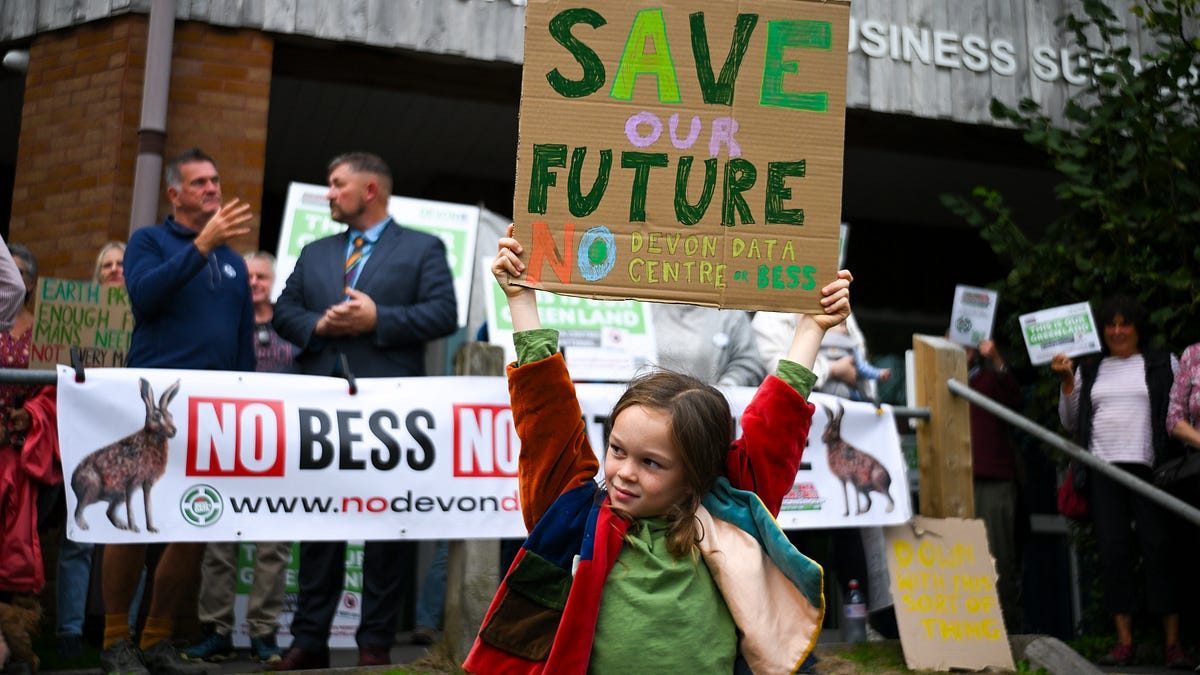
An independent investigative newsletter reports that US officials are treating public opposition to AI data centers as possible foreign influence, after the Justice Department warned that anyone furthering a foreign power’s “propaganda or other goals” could face criminal liability. The newsletter, by journalist Ken Klippenstein, ties the shift to a June request from Senate Intelligence Committee chairman Tom Cotton.
The Justice Department warning
According to the newsletter, the department told “citizens and noncitizens” that anyone advancing a foreign power’s goals through “any public activity,” including “public demonstrations,” must formally notify the government to avoid arrest and prosecution. The author calls the language striking: it states in writing that such demonstrations “may result in significant civil or criminal sanctions.”
President Donald Trump made similar claims in September posts. “There is a SICK conspiracy going on against AI and Data Centers, and the only one that is happy about it is China,” he wrote on September 14, adding: “Conspiracy Theorists, Treasonists, Traitors, and Leakers, BEWARE!”
Cotton’s FARA request
Cotton’s letter cited “alarming reports” that “a network of foreign actors, led by the Chinese Communist Party, is attempting to manipulate U.S. policy and public opinion on data centers.” Its central exhibit was Neville Roy Singham, a Shanghai-based American tech mogul whose US nonprofit network, Cotton claimed, has spent years producing content opposing American AI infrastructure, with the Chinese government as its “ultimate paymaster.” Cotton noted that no group had been charged under the Foreign Agents Registration Act and asked the department to “launch a full investigation into these matters.”
Pushback and polling
The newsletter also describes how allies of the administration pushed the claim before evidence emerged. Investor Kevin O’Leary, who backs a planned $100 billion data center in Utah, said Chinese money was paying protesters; one group he named replied that “the only foreign interest in this data center is Kevin from Canada.” O’Leary later conceded he had “no evidence,” and two groups have sued him and Fox News for defamation.
The piece argues the premise collides with public opinion. A Gallup poll in March found 71 percent of Americans opposed an AI data center in their area, and 48 percent were strongly opposed, including 63 percent of Republicans. A February Pew survey of more than 5,000 adults found 63 percent said AI is advancing too quickly and 67 percent had little or no confidence in the federal government to regulate it. The newsletter is opinionated, and its author concludes that treating suspicion of AI as a crime is more likely to deepen public distrust than to quiet it.
SiTech — AI-powered web development
We build fast, modern websites and bring AI into real business workflows. Have a project or a question? We'd love to help.